2026 Top Automotive Bearings Trends and Innovations to Watch?
The automotive industry is evolving rapidly, especially in the realm of Automotive Bearings. In 2026, several trends and innovations will reshape how manufacturers approach component design and efficiency. Automotive Bearings are crucial for vehicle performance, impacting everything from fuel efficiency to longevity.
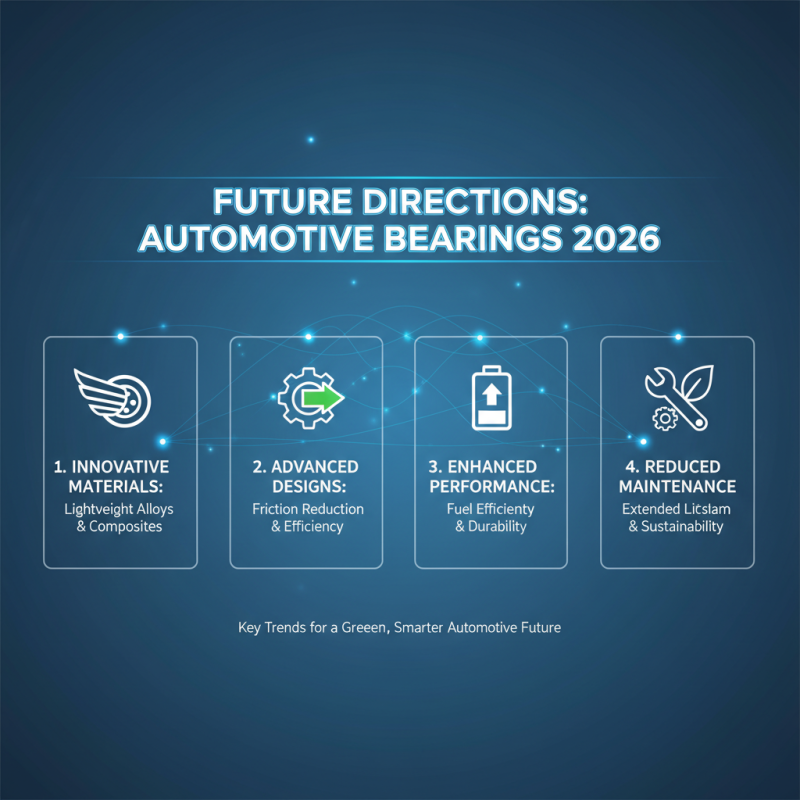
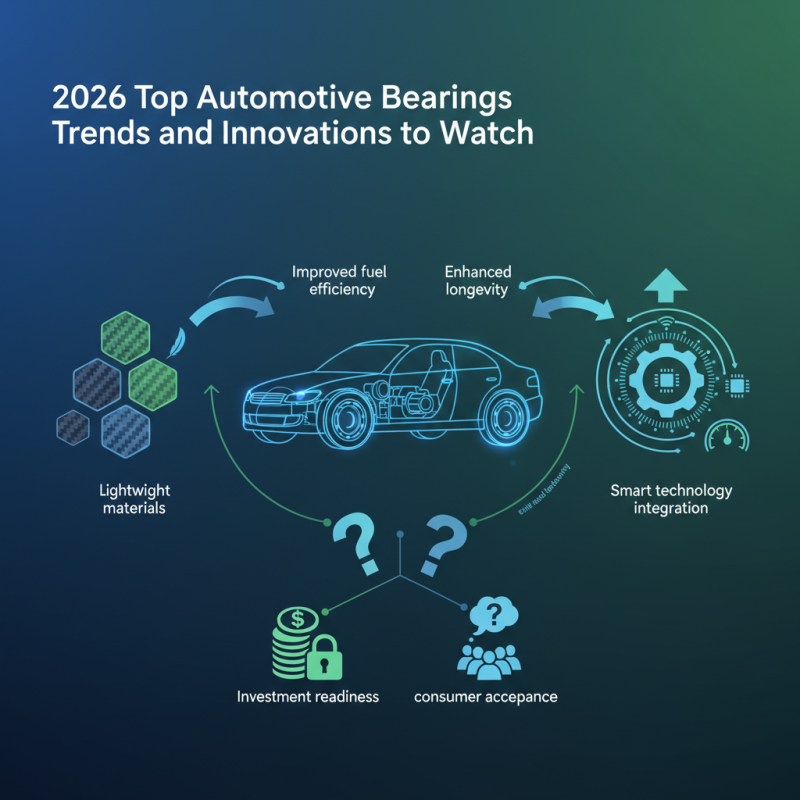
One significant trend is the increased focus on lightweight materials. Engineers are experimenting with composites that reduce weight without sacrificing strength. This shift could lower emissions and enhance overall vehicle performance. Additionally, the integration of smart technology into Automotive Bearings is gaining traction. Sensors embedded in bearings can monitor wear and tear, providing real-time data to prevent failures.
However, the transition to these advanced solutions raises questions. Are manufacturers ready to invest in new technologies? Will consumers embrace vehicles with such innovations? The answers remain unclear, highlighting the challenges ahead in this dynamic sector. As the industry moves forward, staying informed about Automotive Bearings trends will be essential for stakeholders committed to success.
Future Directions in Automotive Bearings Technology for 2026
The automotive bearings industry is undergoing significant transformations as we approach 2026. Innovation in materials and designs is a major focus. Lightweight materials can enhance fuel efficiency. Composite bearings are gaining traction for their strength and durability. These advancements could lead to longer component lifespans, reducing maintenance costs and improving performance.
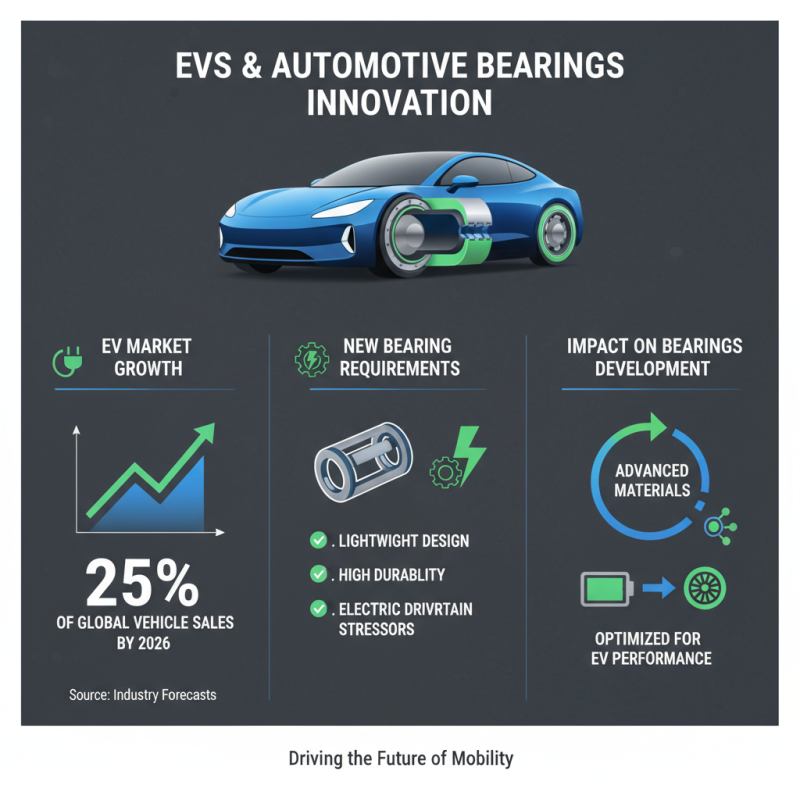
Electrification is also shaping the future of bearings. As electric vehicles become more common, bearing technology must evolve. There is a growing emphasis on reducing friction and improving thermal management. The demands of electric drivetrains necessitate bearings that can handle higher loads and temperatures. This presents challenges for manufacturers as they adapt existing technologies to meet these needs.
However, not all innovations will succeed. The integration of new materials may pose production challenges. Additionally, ensuring compatibility with existing systems can be troublesome. Balancing innovation with reliability is critical. Manufacturers must remain cautious as they navigate these developments. Continuous research and collaboration within the industry will play a vital role in determining the success of these new technologies.
Key Trends Shaping the Automotive Bearings Industry in 2026
The automotive bearings industry is evolving at a rapid pace. According to a recent report by MarketsandMarkets, the global automotive bearing market is expected to reach $45.6 billion by 2026, with a compound annual growth rate (CAGR) of 4.6%. This growth is driven by several key trends reshaping the sector.
Electric vehicles (EVs) play a pivotal role in this transformation. As EV adoption increases, the demand for lightweight and high-performance bearings also rises. Manufacturers are focusing on developing materials that enhance efficiency while reducing weight. This shift can improve vehicle range and performance. Furthermore, an emphasis on sustainability is changing manufacturers' approaches. Companies are now looking for eco-friendly materials and production methods, aligning with the global push for greener technologies.
However, challenges persist. The cost of advanced bearing materials remains high, and not all suppliers can meet the demand for innovation. Moreover, the industry is facing supply chain disruptions. Events like the pandemic highlighted vulnerabilities in sourcing raw materials. These factors necessitate a cautious yet strategic approach to innovation and development. Industry players must continuously adapt or risk falling behind in this competitive landscape.
2026 Top Automotive Bearings Trends and Innovations to Watch
| Trend/Innovation |
Description |
Impact on Industry |
Projected Growth (%) |
| Smart Bearings |
Integration of IoT technology in bearings for real-time monitoring. |
Increased efficiency and predictive maintenance capabilities. |
25% |
| Lightweight Materials |
Use of advanced composites and alloys to reduce weight. |
Enhances fuel efficiency and performance. |
30% |
| Sustainability Practices |
Adoption of eco-friendly materials and production processes. |
Better environmental compliance and consumer appeal. |
20% |
| Enhanced Lubrication Technology |
Use of nano-coatings and advanced lubrication solutions. |
Reduces friction, improving durability and performance. |
15% |
| Modular Bearing Designs |
Designs that allow for easy upgrades and maintenance. |
Cost-effective maintenance and lifecycle management. |
18% |
Innovative Materials and Designs for Advanced Automotive Bearings
The automotive bearings sector is witnessing notable innovations in materials and designs. These advancements focus on enhancing performance and durability while reducing environmental impact. According to a recent report by Grand View Research, the global bearing market is projected to reach $110 billion by 2027, driven by technological advancements in manufacturing processes.
Innovative materials such as ceramic composites and advanced polymers are emerging. These materials offer superior strength-to-weight ratios, resistance to temperature fluctuations, and corrosion protection. They also contribute to lower friction and improved efficiency in automotive applications. However, the transition to these materials poses challenges in terms of cost and manufacturing scalability.
Tips: Consider regular assessments of bearing performance. Early detection of wear can save costs and time. Embrace new technologies, but maintain a balance between innovation and practicality. By adopting a phased approach, organizations can mitigate risks associated with new material integration. This ensures long-term reliability while progressing towards sustainable solutions.
Impact of Electric Vehicles on Automotive Bearings Development
The rise of electric vehicles (EVs) significantly influences the automotive bearings market. By 2026, EVs are predicted to account for more than 25% of vehicle sales globally. Automotive bearings are crucial in supporting the unique needs of these vehicles. They must be lightweight yet robust to handle the distinct stressors of electric drivetrains.
As electric motors operate differently compared to traditional combustion engines, the bearings used must adapt. For instance, testing shows that electric vehicles often result in higher operating speeds and different thermal conditions. Bearings require advanced materials, such as ceramic or hybrid designs, to enhance their performance and durability under these circumstances. This shift also means engineering teams need to rethink lubrication strategies to maintain optimal performance amid diverse EV usage patterns.
While innovations are vital, challenges remain. The materials for advanced bearings can be costly and difficult to source. Additionally, manufacturers must be cautious of balancing performance with weight. A mismatch can lead to compromised efficiency, ultimately affecting vehicle range—a critical aspect for EV users. Continuous research and development are essential to overcome these hurdles and ensure bearings meet the evolving demands of the electric vehicle landscape.
Sustainability Initiatives in the Automotive Bearings Sector by 2026
The automotive bearings sector is evolving towards increased sustainability initiatives by 2026. A recent report indicates that over 40% of manufacturers are investing in eco-friendly materials. These materials include recycled metals and bio-based composites, which can significantly reduce the carbon footprint. The shift aims to meet the growing demand for greener vehicles.
Lifecycle assessments are becoming crucial in evaluating the environmental impact of bearings. Experts suggest that a focus on remanufacturing can extend the lifecycle of products by up to 50%. Additionally, energy-efficient manufacturing processes are gaining traction. Some studies predict that implementing these processes could lower production energy consumption by 30%. However, challenges remain. Transitioning to sustainable practices often requires significant initial investment and expertise.
Collaboration across the supply chain is essential. Many companies are exploring partnerships with research institutions to innovate greener solutions. Transparency in sourcing materials is also vital. Some reports indicate that customers prefer brands that actively communicate their sustainability efforts. Overall, the automotive bearings sector faces a critical period of adaptation toward sustainability.
2026 Top Automotive Bearings Trends and Innovations