What is Angular Bearing and How is it Used in Engineering Applications?
Angular bearings play a crucial role in various engineering applications. These specialized bearings allow for rotation and axial load support, essential in machinery and equipment. According to Dr. Emily Harris, a renowned expert in mechanical engineering, “Angular bearings are vital for ensuring precision in dynamic systems.” This statement underscores their importance across industries.
These bearings are frequently used in robotics, conveyor systems, and automotive designs. Proper selection is critical; using the wrong type can lead to equipment failure. It’s interesting to note that not all engineers fully grasp their significance. Some may overlook the impact of angular alignment on performance.
As we delve into the nuances of angular bearings, we aim to highlight their advantages and potential drawbacks. Engineers must consider factors like load capacity and operating conditions. The complexity of real-world applications means that a one-size-fits-all solution is often inadequate. Continuous research and development are necessary for improving angular bearing designs.
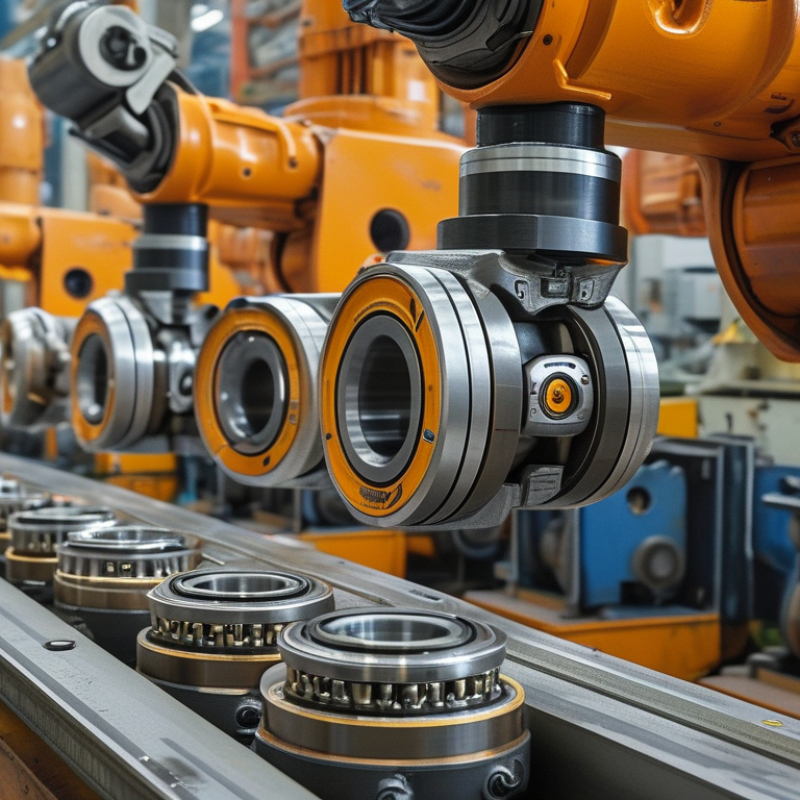
What is Angular Bearing? Definition and Key Characteristics
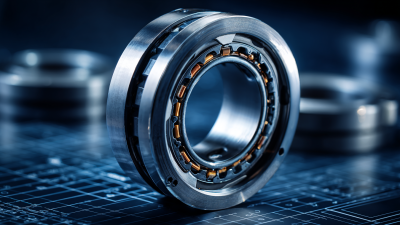
Angular bearings are a type of bearing designed to accommodate axial loads in one direction. They are essential in applications requiring precise alignment and stability. These bearings allow for both radial and axial loads, making them versatile in mechanical systems. Their key characteristics include separation of rolling elements, angular contact geometry, and high rigidity.
In engineering applications, angular bearings are commonly found in machine tools, automotive components, and aerospace systems. They help maintain the position of rotating shafts, providing smooth motion and reducing wear. The design allows for high-speed operation while handling large loads. However, selecting the right bearing type can be challenging. Engineers must consider load capacity, speed, and specific application requirements.
The installation process can also be complex. Misalignment can lead to premature wear or failure. Engineers must ensure proper fit and lubrication during assembly. The need for regular maintenance is critical to ensure long-lasting performance. Understanding these factors is vital for success in implementing angular bearings in engineering tasks.
Types of Angular Bearings: A Comprehensive Overview in Engineering
Angular bearings play a crucial role in many engineering applications. They are designed to support axial loads while allowing for rotation. This makes them essential in machinery where movement and stability are required. Their unique design accommodates angular misalignments, which can occur in various setups.
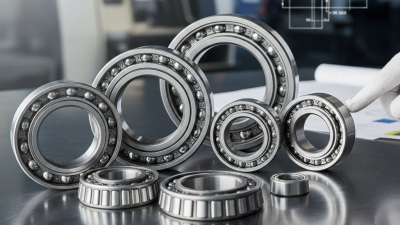
Several types of angular bearings exist, each serving a specific purpose. Deep groove ball bearings are widely used due to their versatility. They can handle both radial and axial loads. Tapered roller bearings are ideal for heavy-duty applications. They provide better load distribution and durability. Thrust ball bearings excel in applications requiring limited axial load capacity. Each type has its advantages, and choosing the right one is vital for performance.
Tips: Always consider the load capacity and speed when selecting bearings. Misalignment can lead to premature wear. Ensure proper lubrication to extend the life of the bearings. Regular inspections can prevent unexpected failures, which is crucial for maintaining efficiency in engineering applications. Keep in mind that not every bearing style fits every need. Evaluating the specific requirements of your project is essential for optimal results.
What is Angular Bearing and How is it Used in Engineering Applications? - Types of Angular Bearings: A Comprehensive Overview in Engineering
| Type of Angular Bearing |
Description |
Typical Applications |
Load Capacity |
| Ball Angular Contact Bearing |
Designed to support radial and axial loads in one direction. |
Used in high-speed applications such as turbines and spindles. |
Moderate to high load capacity depending on size. |
| Roller Angular Contact Bearing |
Utilizes rollers instead of balls for higher load-carrying capacity. |
Commonly found in heavy machinery and automotive applications. |
Suitable for high load situations. |
| Thrust Angular Contact Bearing |
Designed to handle axial loads effectively. |
Used in gearboxes and rotating machinery. |
High axial load capacity. |
| Double Row Angular Contact Bearing |
Provides enhanced load distribution for added stability. |
Used in applications requiring high rigidity such as machine tools. |
Very high load capacity. |
Applications of Angular Bearings in Various Engineering Fields
Angular bearings are essential components used in various engineering applications, particularly in settings that require precise angular motion. These bearings facilitate the smooth rotation and support for shafts under radial and axial loads. Engineers often gravitate toward these designs for efficiency and performance. For example, in the automotive industry, angular bearings ensure proper wheel alignment and help in transferring power efficiently, contributing to overall vehicle performance metrics.
In industrial machinery, angular bearings are critical in ensuring reliable operation. A report from the International Journal of Engineering Research indicates that improper bearing selection can lead to a 15% increase in energy consumption. This highlights the importance of choosing the right bearing for specific applications. Moreover, sectors like robotics employ angular bearings to enhance precision and minimize wear. Data shows that about 20% of mechanical failures stem from bearing issues, underscoring the need for proper maintenance and application in engineering projects.
However, engineers must consider the trade-offs involved. For example, while they provide excellent load handling capabilities, angular bearings can require careful alignment. Misalignment might lead to accelerated wear or even failure. Thus, ongoing assessment and thoughtful integration into designs are key to leveraging their full potential. The expanding use of these bearings across various sectors reflects their vital role in modern engineering, while also pointing toward the need for continuous improvement in their application.
Performance Metrics: Load Capacity and Rotational Speed of Angular Bearings
Angular bearings play a critical role in various engineering applications. One key aspect to consider is their performance metrics, particularly load capacity and rotational speed. Load capacity refers to the maximum weight a bearing can support without failing. Angular bearings are designed to manage axial and radial loads efficiently. This dual capability makes them versatile, especially in applications like automotive and aerospace engineering.
When evaluating angular bearings, it's essential to analyze their rotational speed. High-speed applications demand bearings that can handle increased friction and heat. An inadequate selection can lead to premature wear or failure. Testing different materials and designs can reveal more about their performance.
Tips: Always consult detailed specifications when selecting angular bearings. Don’t rush the evaluation process. Consider real-world conditions to ensure compatibility and durability. A well-informed choice can enhance performance and longevity. Remember that sometimes the ideal choice requires testing and adjustments to find the right balance.
Performance Metrics of Angular Bearings
This chart illustrates the load capacity and rotational speed of angular bearings in various applications. The data showcases how performance metrics vary based on different bearing sizes.
Manufacturing Technologies for Angular Bearings: Techniques and Innovations
Angular bearings are critical components in various engineering applications. In manufacturing, recent innovations have transformed the techniques used to create these bearings. One significant approach is precision machining. This method ensures tight tolerances and superior performance. It often involves CNC technology, which allows for intricate designs and reproducibility.
Another notable technique is additive manufacturing, or 3D printing. This technology opens doors to complex geometries that traditional methods struggle to achieve. Engineers can design lightweight structures without compromising strength. However, the material choices in 3D printing require careful consideration. Not all materials are suitable for high-load applications.
Surface treatment processes also play a vital role. Treatments like coating enhance durability and reduce friction. These innovations contribute to longer lifespans for angular bearings, but they can complicate maintenance. Engineers must weigh the benefits against potential challenges. Continuous research in these areas fosters advancement but highlights a need for constant adaptation.