What is Automotive Bearings and Why Are They Important?
Automotive Bearings play a crucial role in the functionality of vehicles. These components ensure smooth motion in various systems, including wheels, engines, and transmissions. According to Dr. Emily Carter, a leading authority in automotive engineering, "Automotive Bearings are the unsung heroes that support every drive." This highlights their importance in vehicle performance and safety.
However, many overlook the complexities involved in manufacturing Automotive Bearings. Precision is key. Poor quality bearings can lead to failures, resulting in costly repairs and safety hazards. The industry continually evolves, integrating advanced materials and technologies. This advancement allows for lighter, durable, and more efficient bearings.
While progress is commendable, the industry faces challenges. Balancing cost-effectiveness with quality remains a significant concern. Striking the right harmony is essential. Stakeholders must remain vigilant to ensure that the integrity of Automotive Bearings is upheld. After all, the safety of countless drivers relies on these small yet vital components.
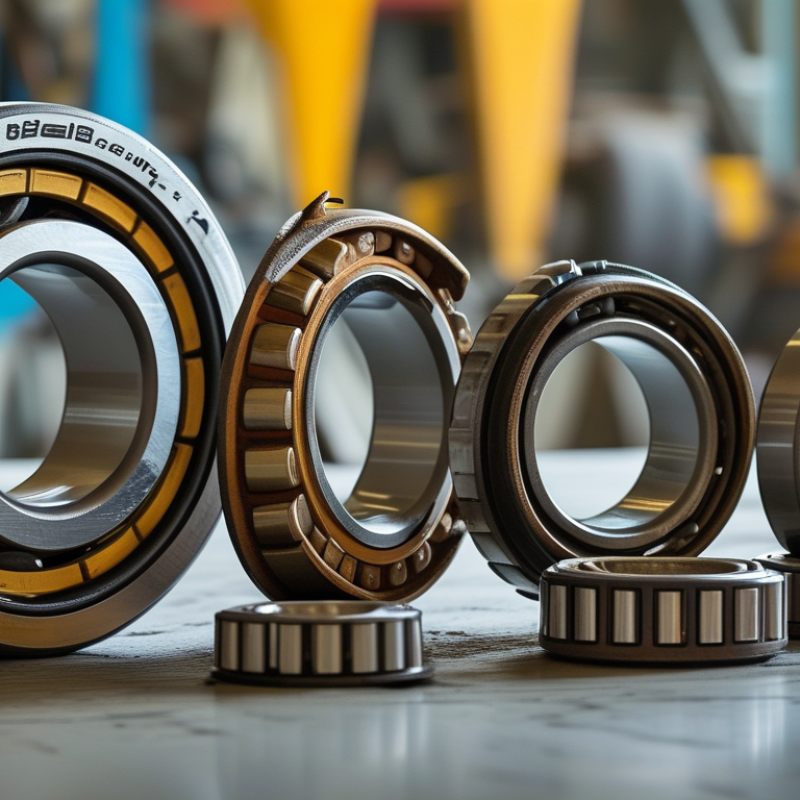
Definition of Automotive Bearings and Their Function in Vehicles
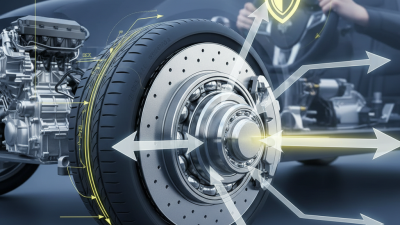
Automotive bearings are essential components in vehicles, enabling smooth movement and supporting various mechanical parts. These small yet crucial elements reduce friction between moving parts, which significantly enhances the vehicle's performance. They are found in places like wheel hubs, transmissions, and engine components. A well-functioning bearing can lead to better fuel efficiency and overall vehicle longevity.
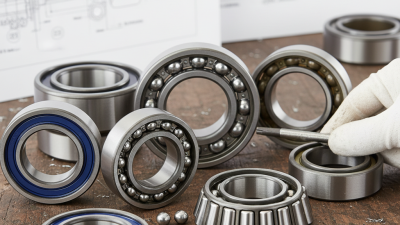
The primary function of automotive bearings is to facilitate rotation, ensuring that parts such as wheels and gears operate seamlessly. They come in various designs, including ball and roller bearings, each suited for specific applications. However, improper installation or maintenance can lead to bearing failure. Common issues like overheating or excessive wear often stem from insufficient lubrication or contamination.
Understanding the function and importance of automotive bearings can empower vehicle owners to address minor issues before they escalate. Regular inspections and maintenance can prolong the life of these components. Choosing the right type of bearing for a specific application cannot be overlooked. Awareness and proactive care are vital in ensuring that your vehicle runs smoothly.
Types of Automotive Bearings and Their Specific Applications
Automotive bearings play a critical role in vehicle performance and safety. They reduce friction between moving parts, ensuring smooth operation. There are several types of automotive bearings, each tailored for specific applications within vehicles.
Ball bearings are common in applications such as wheel hubs and alternators. Their design allows for free movement, handling radial and axial loads efficiently. According to a recent industry report, ball bearings make up around 45% of the global automotive bearing market. Roller bearings, on the other hand, are utilized mainly in heavy-duty applications. They can handle heavier loads, making them ideal for transmissions and differentials.
Thrust bearings support axial loads while allowing rotational movement, critical in steering columns. The global automotive bearing market is projected to reach $40 billion by 2027, driven by increasing vehicle production. However, challenges remain, such as bearing wear and potential failure under extreme conditions. Regular maintenance and monitoring are vital to avoid costly repairs and ensure vehicle reliability.
Importance of Automotive Bearings for Vehicle Performance and Safety
Automotive bearings play a crucial role in the performance and safety of vehicles. These small yet vital components reduce friction between moving parts. By ensuring smooth operation, they enhance efficiency and longevity. When bearings wear out or fail, it can lead to severe issues. Overheating, noise, and even complete breakdowns can result from neglected bearings. Regular maintenance is essential for longevity.
The impact of automotive bearings on safety cannot be overlooked. A faulty bearing can lead to wheel lock-up or steering issues. This can create dangerous driving conditions. Drivers may not always notice early signs of bearing failure. These include vibrations or unresponsiveness in steering. Understanding how bearings function can empower drivers. Proper knowledge can aid in identifying issues before they escalate.
In-depth inspections are vital. Mechanics should check bearings during routine vehicle services. Yet, some might skip these checks, focusing only on more visible parts. This is a mistake that can compromise safety. Awareness of how critical bearings are may encourage more proactive maintenance. Ultimately, automotive bearings shouldn't be underestimated. They are essential to our daily driving experience.
Importance of Automotive Bearings for Vehicle Performance and Safety
Common Materials Used in Automotive Bearings and Their Benefits
Automotive bearings play a crucial role in vehicle performance. They reduce friction between moving parts, allowing for smoother operation. Different materials are used in bearing construction, each offering unique benefits. Common materials include steel, ceramic, and plastic.
Steel is often chosen for its strength and durability. It can withstand high loads and harsh conditions. However, it is also prone to rust, which necessitates regular maintenance. Ceramic bearings, on the other hand, are lightweight and resistant to corrosion. They can operate at higher speeds but may be more brittle. Plastic bearings are versatile and offer good resistance to chemicals, yet they may wear out faster under heavy loads.
The choice of bearing material greatly affects vehicle efficiency. Exploring these materials helps engineers innovate in vehicle design. Future advancements may address weaknesses present today. There is always room for improvement, particularly in longevity and performance aspects. Awareness of material properties is essential for both manufacturers and consumers.
Maintenance Practices for Automotive Bearings to Ensure Longevity
Proper maintenance of automotive bearings is crucial for vehicle performance. Regular inspection is essential. Check for signs of wear or damage. Look for unusual noises during operation. Keeping bearings greased reduces friction and heat. Use the recommended lubricant and follow the manufacturer's specifications.
Environment plays a significant role in bearing longevity. Dust, dirt, and moisture can lead to premature failure. Keep the bearings clean and dry. Applying seals can enhance protection against contaminants. Inspect seals regularly for damage.
Delaying maintenance can lead to costly repairs. Many vehicle owners overlook this aspect. Developing a routine maintenance schedule is beneficial. Document each inspection. Reflect on the overall condition of your vehicle. Neglecting small issues may lead to bigger problems. Prioritizing automotive bearing care ensures reliable performance on the road.