What is Automotive Bearings and How Do They Work?
Automotive bearings play a crucial role in the operation of vehicles. They reduce friction and support rotating components, ensuring smooth movement. Without these vital parts, a vehicle’s performance would suffer significantly.
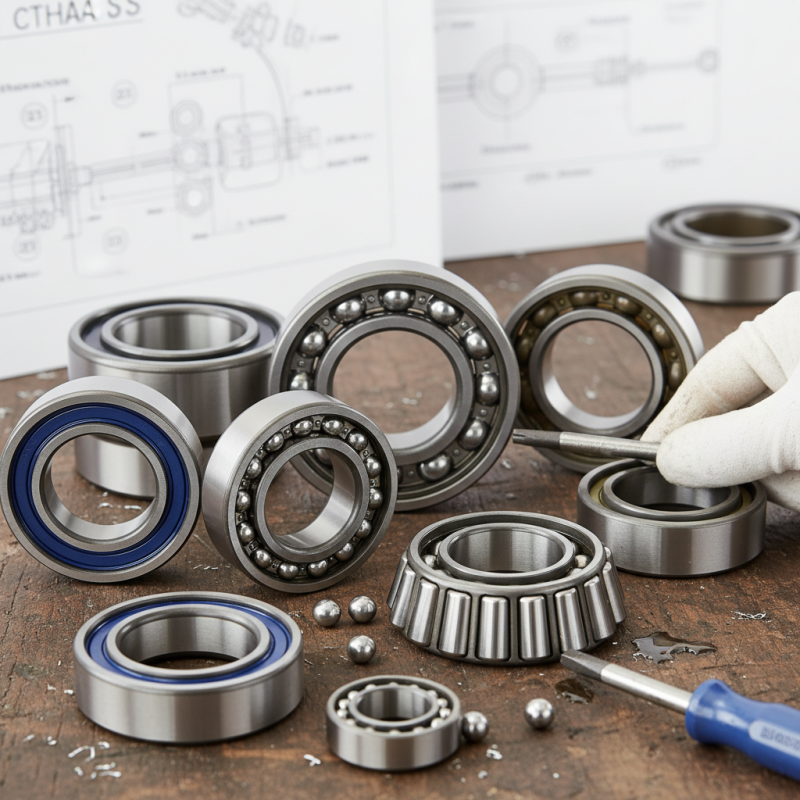
Understanding how automotive bearings work is essential for mechanics and automotive enthusiasts alike. They come in various types, including ball and roller bearings, each serving specific functions. The materials used in these bearings also matter. High-quality steel and specialized lubricants can enhance their longevity and performance.
Reflecting on automotive bearings reveals areas for improvement. Many vehicles still use outdated technologies that could be replaced with more efficient solutions. As the automotive industry evolves, the need for better bearings will grow. This pursuit of innovation challenges engineers to create more reliable and sustainable solutions.
What are Automotive Bearings?
Automotive bearings play a crucial role in vehicle performance and longevity. These components reduce friction between moving parts in an engine, transmission, and wheels. By supporting radial and axial loads, they ensure smooth operation. According to a report by MarketsandMarkets, the automotive bearing market is expected to reach USD 33.5 billion by 2025, driven by increasing vehicle production.
Different types of automotive bearings exist, including ball bearings, roller bearings, and fluid bearings. Each type has unique advantages suited for specific applications. For example, ball bearings are common in wheel assemblies due to their ability to handle high radial loads. However, they can wear out faster than other types. The lifespan of bearings can significantly affect overall vehicle maintenance. The average life expectancy of a bearing is around 100,000 miles, but poor road conditions can lead to premature failure.
Understanding the importance of automotive bearings helps in vehicle upkeep. Regular inspections and replacements can prevent costly repairs down the line. Despite advancements in bearing technology, challenges remain. For instance, ensuring proper lubrication and alignment is essential yet often overlooked. Regular maintenance routines should address these factors to enhance reliability. Addressing common misconceptions about bearings can lead to better decision-making for vehicle owners.
Automotive Bearings Usage by Type
Types of Automotive Bearings and Their Applications
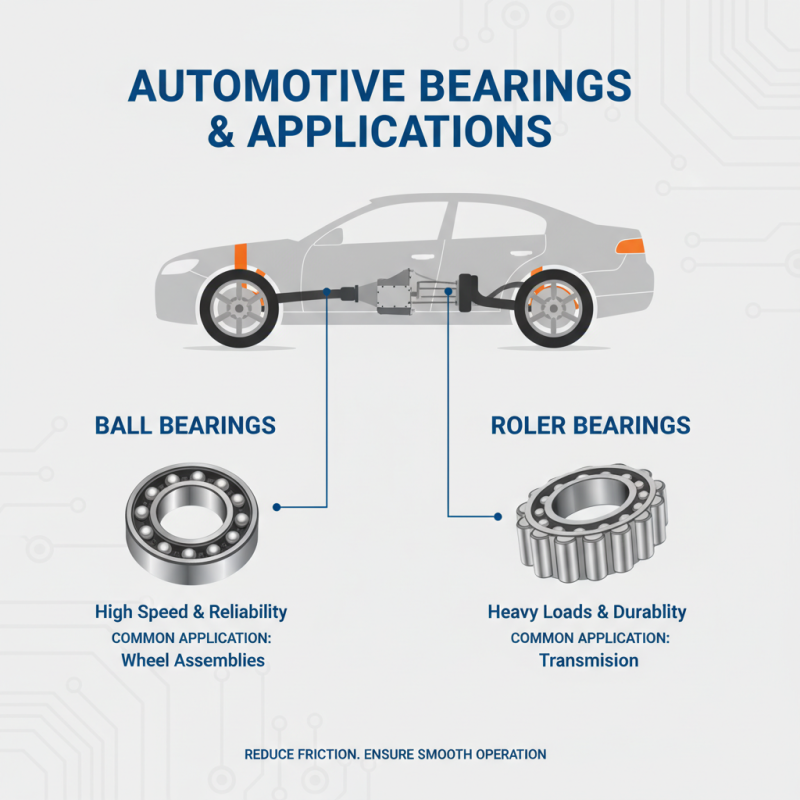
Automotive bearings play a crucial role in vehicle performance. They reduce friction between moving parts, ensuring smooth operation. There are several types of automotive bearings, each designed for specific applications. For instance, ball bearings are widely used in wheel assemblies. They offer high speed and reliability. Roller bearings, on the other hand, are used in heavier applications, such as in the transmission.
According to a recent industry report, the global automotive bearings market is expected to reach $20 billion by 2025. This growth is driven by rising vehicle production and innovations in bearing technology. Despite advancements, some bearings may wear out due to environmental factors and usage. Regular maintenance is vital to prolong their life.
Tips: Always check for unusual noises or vibrations in your vehicle. These can indicate bearing issues. Consider professional inspections regularly. Proper lubrication can also extend bearing lifespan. Remember that understanding your vehicle’s components is essential for safe driving.
How Automotive Bearings Function in Vehicles
Automotive bearings are crucial components in vehicles. They reduce friction between moving parts, enabling smoother operation and better fuel efficiency. According to a recent industry report by Grand View Research, the global automotive bearings market is expected to grow at a CAGR of 6.5% from 2021 to 2028. This highlights the significance of bearings in modern engineering.
In vehicles, bearings support rotating shafts. They allow wheels, engines, and transmissions to function effectively. Well-lubricated bearings facilitate less wear and tear, prolonging engine life. However, factors like improper installation can lead to premature failure. Some technicians underestimate the importance of proper alignment and lubrication, which can result in increased maintenance costs.
Understanding bearing function is vital for fleet managers. Regular inspections can identify wear patterns early. In a survey by Frost & Sullivan, nearly 40% of fleet operators reported unexpected bearing failures due to insufficient maintenance practices. This emphasizes the need for thorough knowledge and attention to detail in automotive servicing. Ultimately, enhancing vehicle reliability depends on recognizing the essential role of bearings.
Factors Affecting Automotive Bearing Performance
Automotive bearings are crucial components in ensuring the smooth operation of vehicles. Their performance can be influenced by a variety of factors, including material choice, lubrication quality, and operational conditions. According to industry reports, approximately 40% of bearing failures are attributed to improper lubrication. This highlights the importance of maintaining optimal lubrication systems.
The type of material used in bearings significantly affects their lifespan and performance. For instance, steel bearings are common but may exhibit reduced performance under high temperatures. Ceramic bearings, while more expensive, can withstand greater heat and offer lower friction. Recent studies indicate that high-performance ceramic bearings can improve efficiency by 30%, leading to better fuel economy and reduced emissions.
Environmental factors also play a critical role. Dust, moisture, and temperature fluctuations can lead to premature wear. In urban environments, particulate matter can contaminate bearings, leading to increased friction and potential failure. Regular maintenance is vital, yet many drivers overlook it. Data shows that 25% of vehicles have not had their bearings checked in over a year. Such negligence can result in costly repairs and decreased vehicle safety.
Maintenance and Replacement of Automotive Bearings
Automotive bearings play a crucial role in vehicle operation. Regular maintenance is essential to ensure their longevity and performance. Mechanics often overlook bearings during routine check-ups. This can lead to costly repairs if they fail.
Checking the condition of bearings involves inspecting for wear and lubrication levels. A simple visual examination can reveal signs of damage. Some signs may include unusual noises or vibrations while driving. Replacing bearings at the right time can prevent further damage to the vehicle’s components.
Using proper tools and techniques is vital in bearing maintenance. Proper alignment during installation is key. Technicians must be sure not to rush the replacement process. This can lead to errors that compromise performance. Learning the best practices for automotive bearings can enhance vehicle reliability and safety.