Best Rotating Bearing Suppliers in China for Global Buyers?
In the dynamic realm of machinery, the importance of high-quality rotating bearings cannot be overstated. "Choosing the right supplier can make a significant difference in performance," says Dr. Alex Huang, a renowned expert in rotating bearing technology. His insights reflect the high expectations of global buyers seeking reliable suppliers.
China stands out as a hub for rotating bearing manufacturing. Many companies here have established themselves as leaders in the industry. They offer diverse products that cater to various applications. Yet, not all suppliers uphold the same standards. This disparity can pose challenges for global buyers who need consistency and quality.
Navigating this landscape requires careful consideration. Buyers must evaluate suppliers based on their track record, innovation, and customer support. The need for transparency is crucial. Understanding the capabilities of each supplier will guide informed decisions. As the market evolves, buyers should remain vigilant and adaptable to maintain optimal operational efficiency.
Overview of Rotating Bearings and Their Applications
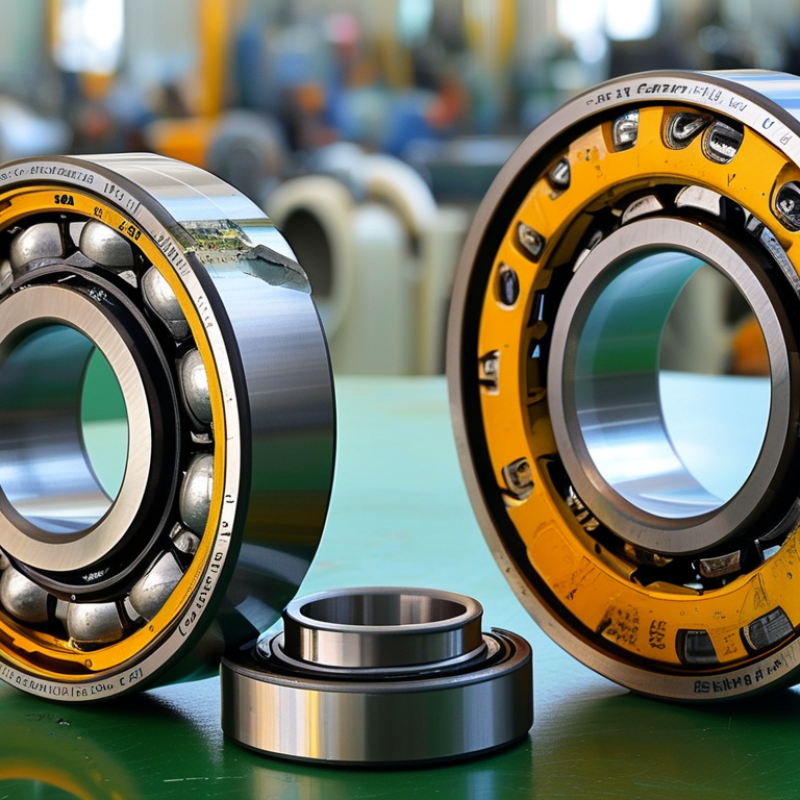
Rotating bearings play a crucial role in various industries, from automotive to aerospace. According to a recent industry report, the global rolling bearing market is expected to reach $81 billion by 2026. This growth reflects the increasing demand for efficient machinery and equipment. Rotating bearings reduce friction, support loads, and enhance performance in rotary applications.
In the automotive sector alone, over 20% of components utilize bearings. These elements are vital for the functionality of engines, gearboxes, and wheel assemblies. Their effective design improves reliability and extends the lifespan of vehicles. However, as technology advances, challenges arise. Manufacturers must adapt to changing materials and design preferences. Many face hurdles in ensuring precision while managing costs.
Moreover, the aerospace industry increasingly seeks lightweight alternatives for rotating bearings. Traditional materials may not suffice for new aircraft designs. Those exploring advanced composites and ceramics encounter both opportunities and risks. While these materials could enhance efficiency, sourcing and long-term performance remain concerns for manufacturers. The journey to innovation is complex and requires careful consideration.
Factors to Consider When Choosing a Rotating Bearing Supplier
When selecting a rotating bearing supplier, several key factors need attention. The supplier's industry experience is crucial. A firm with a long history usually possesses deeper knowledge of product quality and innovation. Assess their product range. A diverse portfolio often indicates expertise in catering to various applications.
Quality control measures must also be evaluated. Reliable suppliers implement strict testing protocols. Check reviews, testimonials, and certifications. These elements establish credibility and reinforce trust. Inquire about their production methods. Transparency in manufacturing often reflects a commitment to high standards.
Communication is another vital aspect. A responsive supplier fosters a collaborative relationship. Delays or unclear communication can lead to misunderstandings. Consider their logistics capabilities. Timely delivery is essential for maintaining your operations. Reflect on these factors carefully; they can significantly influence your supply chain's efficiency.
Best Rotating Bearing Suppliers in China for Global Buyers
| Supplier Type |
Product Range |
Quality Certifications |
Minimum Order Quantity (MOQ) |
Lead Time |
Export Experience |
| Manufacturer |
Ball Bearings, Roller Bearings |
ISO 9001, CE |
100 Units |
30 Days |
5 Years |
| Trading Company |
Spherical Bearings, Deep Groove Bearings |
ISO 14001, RoHS |
200 Units |
40 Days |
10 Years |
| Distributor |
Thrust Bearings, Tapered Roller Bearings |
TS16949 |
50 Units |
20 Days |
7 Years |
| Exporter |
Angular Contact Bearings, Needle Bearings |
ISO 9001, API |
300 Units |
35 Days |
8 Years |
Top Rotating Bearing Suppliers in China: A Comprehensive Review
When looking for rotating bearing suppliers in China, potential buyers face an overwhelming number of options. The market is vast and varied. It’s easy to become confused. Suppliers may offer different quality levels and services. A comprehensive review reveals key factors to consider.
One crucial aspect is the supplier's experience. It is vital to work with companies that have a proven track record. Many suppliers boast years of expertise, but not all have the certifications to back it up. Verifying these credentials can be time-consuming, but necessary. Additionally, potential buyers should assess the range of products offered. Not all bearings are created equal, and a supplier with a diverse selection can meet specific needs more effectively.
Moreover, the reliability of supply chains cannot be overlooked. Delays in delivery can disrupt production schedules. Researching delivery times and logistics capabilities is essential. While some suppliers have established networks, others might struggle. Navigating these considerations can be tricky. It is important to weigh reputation against pricing to find the best fit for your needs.
Top Rotating Bearing Suppliers in China - Sales Revenue Comparison
Quality Standards and Certifications in the Rotating Bearing Industry
The rotating bearing industry is governed by strict quality standards and certifications. Global buyers must understand these requirements. High-quality bearings must meet international standards like ISO and ASTM. Such certifications ensure that products are reliable and durable. Adhering to these standards is critical for manufacturers in China.
Inexperienced suppliers may lack proper certifications. This situation poses risks for buyers. Without reliable quality assurance, the durability of bearings can be compromised. It’s vital to verify a supplier's certifications. Working with certified manufacturers leads to better quality products. Communication plays a key role here. Buyers should ask for documentation that proves compliance.
Quality standards are not just bureaucratic red tape. They reflect a commitment to excellence. For instance, an ISO-certified factory follows strict quality checks. Regular audits by third-party organizations help maintain these standards. Buyers should also keep track of emerging trends in quality assurance. Changes in technology and materials often mean evolving standards. Understanding these dynamics aids informed purchasing decisions.
Global Market Trends and Future Outlook for Rotating Bearings
The rotating bearing market is evolving rapidly. Innovations in technology are reshaping production processes. Manufacturers are focusing on lightweight materials that enhance performance and efficiency. The shift towards automation in various industries demands high-quality bearings. These components must withstand harsh conditions while providing durability.
Global trends indicate increasing demand for energy-efficient solutions. The push for sustainability is influencing buyer preferences. Many industries seek bearings that reduce friction and energy consumption. This transition is crucial in markets like automotive and aerospace. However, suppliers must remain adaptable to changing regulations and environmental standards.
Future outlook shows a strong growth trajectory for rotating bearings. Market analysts project significant advancements over the next few years. Collaboration between manufacturers and research institutions is vital. Engaging in such partnerships can inspire innovative solutions. Challenges persist, especially in supply chain management and trade regulations. Addressing these issues is essential for global suppliers to thrive amidst competition.