China Top Bearing Design Trends for Global Buyers?
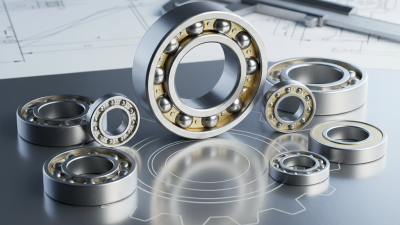
In the rapidly evolving landscape of manufacturing, bearing design stands as a crucial factor for global buyers. As industries push for increased efficiency and performance, the demand for innovative bearing solutions is on the rise. Manufacturers in China are at the forefront of this trend, focusing on advanced materials and smart technologies. These innovations enhance reliability and lifespan, addressing common challenges in various applications.
China's bearing design trends reflect a blend of tradition and modernity. This balance drives the creation of products that resonate with global standards while meeting local needs. Buyers are seeking solutions that not only perform optimally but also adapt to shifting market dynamics. It is essential to recognize that, despite advancements, challenges persist. Design inconsistencies and quality control issues remain critical areas for improvement.
Understanding these trends is vital for buyers. They must engage deeply with suppliers and stay informed about emerging technologies. Collaborative efforts between manufacturers and buyers can lead to better outcomes. As the market continues to evolve, bearing design will play an increasingly integral role in the success of various industries.

Emerging Technologies in Bearing Design in China
In recent years, China has become a hub for innovation in bearing design. Emerging technologies are reshaping the industry's landscape. New materials, such as advanced ceramics and composites, are gaining traction. These materials enhance durability and reduce weight. Manufacturers are increasingly focusing on sustainability. This means designing products that have a lower environmental impact.
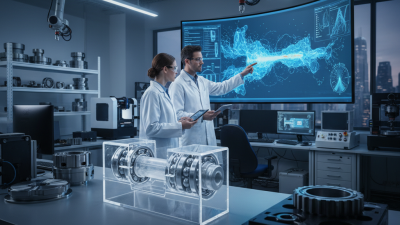
The integration of artificial intelligence (AI) in bearing design is noteworthy. AI algorithms help optimize performance for specific applications. They can analyze vast amounts of data faster than any human. This leads to more efficient designs and improved manufacturing processes. However, the implementation of AI presents challenges, including the need for skilled professionals.
Additionally, 3D printing technology is making waves. This method allows for rapid prototyping and customized solutions. It reduces material waste and shortens production time. Still, quality control remains a concern in this emerging area. Balancing innovation with reliability will be crucial as the industry evolves.
China Top Bearing Design Trends for Global Buyers
| Trend |
Description |
Technologies Involved |
Benefits |
| Smart Bearings |
Incorporation of IoT for real-time monitoring. |
IoT, Sensors, Data Analytics |
Enhanced efficiency and predictive maintenance. |
| Eco-friendly Materials |
Use of sustainable materials to reduce environmental impact. |
Biodegradable Plastics, Recycled Metals |
Lower carbon footprint and compliance with regulations. |
| Nano Coatings |
Application of nano-coatings for enhanced performance and durability. |
Nano Technology, Coatings |
Improved resistance to wear and corrosion. |
| Custom Designs |
Tailored solutions to meet specific industry requirements. |
3D Printing, CAD |
Higher efficiency and performance optimization. |
| High Temperature Resistance |
Innovations for bearings used in high temperature applications. |
Advanced Materials, Heat Treatment |
Reliability in extreme operating conditions. |
Sustainability Practices Shaping Bearing Manufacturing Trends
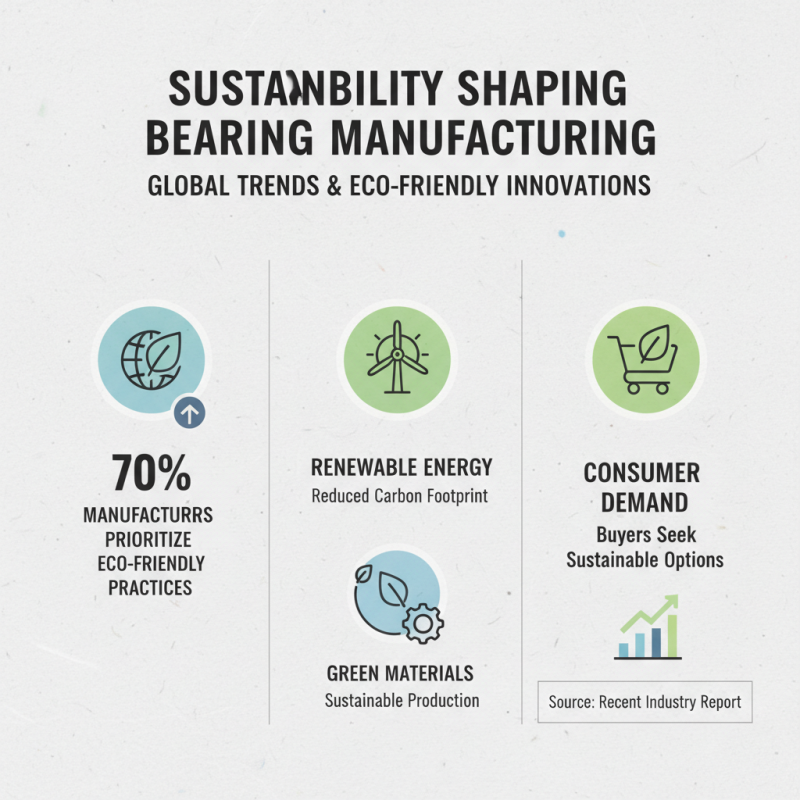
As the global market evolves, sustainability is at the forefront of bearing manufacturing trends. A recent report indicates that 70% of manufacturers now prioritize eco-friendly practices. This shift reflects a growing awareness of environmental impact in the industry. Many companies are investing in renewable energy sources and adopting green materials for production. This not only reduces carbon footprints but also appeals to buyers seeking sustainable options.
Innovative recycling processes are gaining traction. Many firms are now reclaiming and repurposing bearing materials. Nearly 40% of bearings produced today incorporate recycled components, helping to minimize waste. Manufacturers face challenges in achieving strict environmental standards. This can lead to inconsistencies in quality and performance. Nonetheless, the commitment to sustainability is reshaping the direction of the industry.
Sustainable designs also improve product longevity. Investing in quality materials can reduce the need for replacements, ultimately decreasing environmental impact. However, some manufacturers struggle with balancing cost and sustainability. The initial investment for eco-friendly technologies can be substantial. As global demand for sustainable solutions rises, addressing these challenges will be crucial for future growth in bearing manufacturing.
Customization and Precision in Modern Bearing Solutions
In recent years, customization has become a significant trend in bearing design. According to a report by the International Trade Centre, customized bearings account for over 30% of global sales. Buyers now seek unique specifications to meet their operational demands, whether in aerospace, automotive, or industrial applications. The need for precision is paramount, as tolerances can be as narrow as microns. This leads to enhanced performance and prolonged equipment life.
Furthermore, precision manufacturing techniques have evolved. Additive manufacturing, for instance, is reshaping how bearings are produced. A report from the Bearing Specialists Association notes that 40% of manufacturers are investing in advanced technologies to improve accuracy. Customization allows better integration with machinery. This integration reduces friction and wear, crucial factors in high-performance environments. Yet, achieving perfect precision remains a challenge, requiring continuous innovation and adaptation.
However, the push for customization sometimes leads to complexities. Not all manufacturers can provide bespoke solutions swiftly. Lead times for tailored products can stretch significantly, impacting supply chains. Buyers must balance the desire for precision with time constraints. These dynamics highlight the evolving landscape of bearing design and underscore the importance of strategic partnerships in the supply chain.
China Top Bearing Design Trends for Global Buyers
This chart illustrates the key trends in bearing design focused on customization and precision, as per recent market insights.
Impact of Global Market Demands on Chinese Bearing Innovations
The Chinese bearing industry has seen rapid innovation driven by global market demands. Buyers worldwide are looking for solutions that meet strict quality standards. This pressure has led to improvements in design and functionality. Chinese manufacturers are investing in research and development. Their goal is to create products that not only meet but exceed expectations.
Sustainability is also becoming a focal point. Many manufacturers are exploring eco-friendly materials and energy-efficient designs. This shift reflects a broader trend in global markets towards responsible sourcing. While some innovators are making strides, challenges remain. Not all companies can keep pace with these changes. There is a need for more training and skill development within the sector.
As manufacturers adapt, maintaining quality amidst innovation is crucial. The impact of evolving consumer preferences can't be ignored. Buyers now demand not just performance but also durability and low maintenance. These factors are reshaping the production landscape. Chinese companies must balance speed with thorough testing. This delicate balance requires reflection and continuous improvement.
The journey of innovation is ongoing, and the results will be closely watched by global buyers.
Key Players and Collaborations in China's Bearing Industry
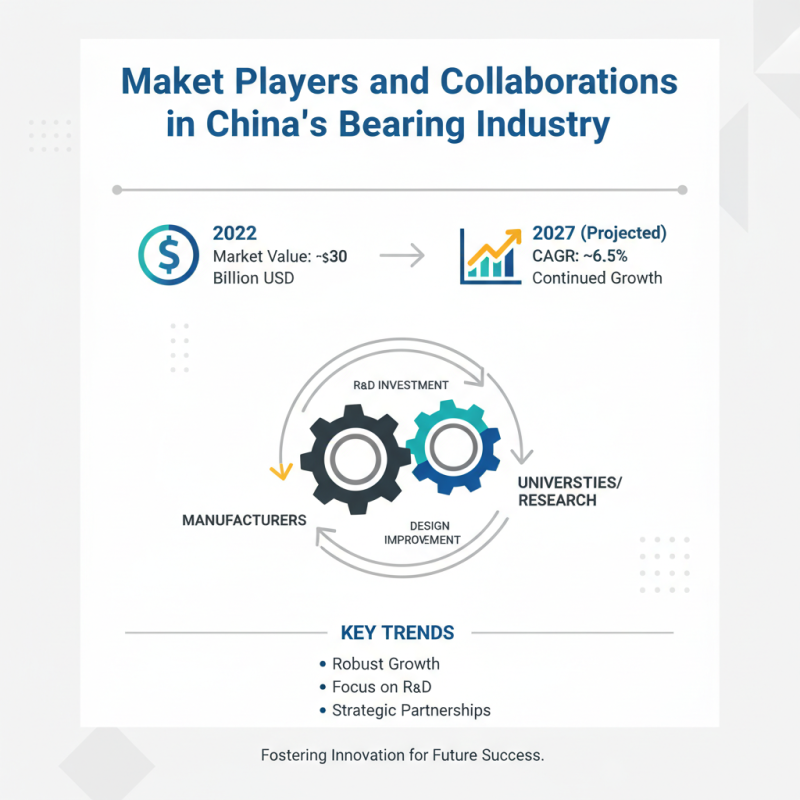
The Chinese bearing industry shows robust growth, driven by key players and strategic collaborations. In 2022, China's bearing market was valued at approximately $30 billion, with a CAGR of around 6.5% expected until 2027. Major companies are investing heavily in research and development to enhance product quality. Collaboration between manufacturers and universities is becoming increasingly common. This partnership fosters innovation and improves design processes.
Additionally, the globalization of the bearing market has spurred Chinese companies to form alliances with international firms. These partnerships help access advanced technologies and broaden market reach. Notably, the increasing demand from the automotive and aerospace sectors in China drives these collaborations. Statistics show that the aerospace segment alone is projected to grow by 10% annually in the coming years.
Challenges do exist. Some manufacturers struggle with quality consistency. This variation affects competitiveness in the global market. To address these issues, firms are focusing on adopting stringent quality control measures. Industry reports indicate that there are still gaps in after-sales service, which need improvement. This concern, coupled with rising environmental regulations, urges the industry to adapt. Collaboration, innovation, and addressing these shortcomings will shape the future of China’s bearing landscape.