2026 How to Choose Radial Ball Bearings for Optimal Performance?
Choosing the right Radial Ball Bearings is crucial for ensuring optimal performance in various applications. These components play a vital role in reducing friction and supporting loads in machines. Selecting the most suitable bearings can enhance efficiency and extend equipment lifespan. However, the variety of options can be overwhelming.
Each Radial Ball Bearing comes with unique specifications, suited for different operational needs. Understanding the material, size, and load ratings is essential. Sometimes, even a small oversight can lead to increased wear and tear. It is important to reflect on your specific requirements before making a choice.
With experience and expertise, manufacturers can guide you in this selection process. However, relying solely on assumptions can be risky. Optimal performance depends on thorough research and sometimes on trial and error. The pursuit of the perfect Radial Ball Bearing might require adjustments and reevaluations along the way.
Understanding the Basics of Radial Ball Bearings and Their Applications
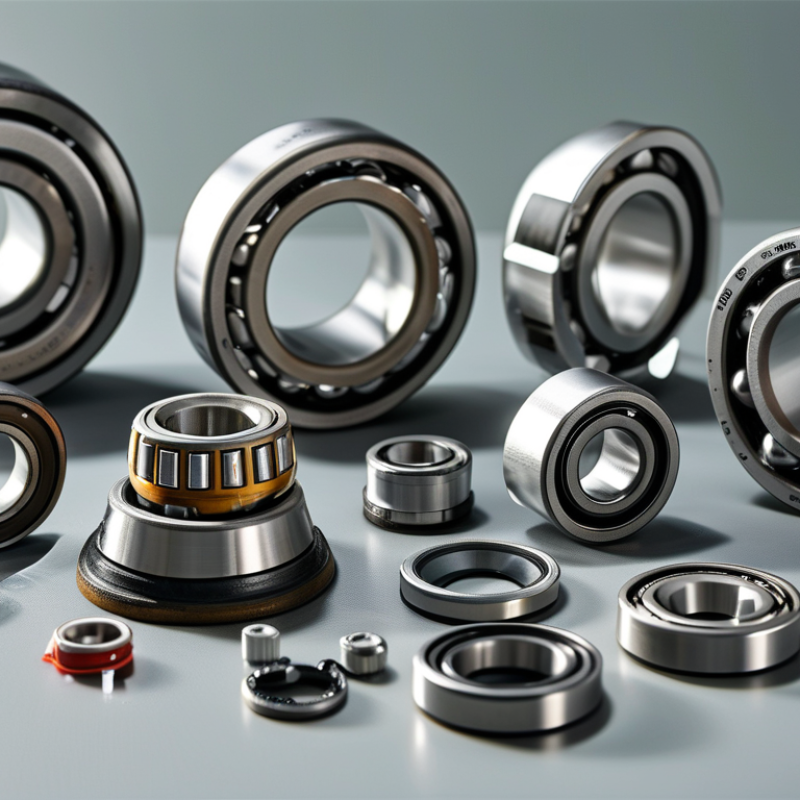
Radial ball bearings are vital components in various machines. They help reduce friction and increase efficiency. These bearings are widely used in automotive, aerospace, and industrial applications. According to a report by Grand View Research, the global ball bearing market is expected to reach $16.84 billion by 2025. This growth highlights the importance of understanding their basics.
Choosing the right radial ball bearing involves several factors. Load capacity is a crucial consideration. For example, deep groove ball bearings can support radial loads and moderate axial loads. Material choice also matters. Steel bearings provide durability, but ceramic options are lighter and offer corrosion resistance. Each application may benefit from different designs and materials.
However, selecting bearings is not without challenges. Misunderstanding load ratings can lead to premature failure. Improper installation may also result in significant performance issues. It is essential to leverage reliable data and expert insights. Making informed decisions can improve longevity and efficiency. Engaging with knowledgeable suppliers can provide further guidance.
Key Factors to Consider When Selecting Radial Ball Bearings
Choosing the right radial ball bearings is crucial for optimal performance. Several key factors must be taken into account. Load rating is one of the most significant. It indicates how much weight the bearing can handle. According to industry reports, bearings must match the application’s specific load requirements. An overload can lead to premature failure.
Another vital consideration is the operating temperature. Bearings often face different environments. High temperatures can degrade lubrication, affecting performance. Research shows that bearings can last 20% longer when operating within recommended temperature ranges. Selecting materials that can withstand these temperatures is essential.
Vibration and noise levels are also critical. Excessive vibration can indicate misalignment or wear. It’s advisable to monitor these levels closely. Studies reveal that reducing vibration by just 10% can enhance bearing lifespan significantly. This insight underscores the importance of proper installation and alignment. A thorough understanding of these factors will ensure long-lasting performance and reliability in various applications.
Material Choices for Enhanced Durability and Performance
Choosing the right material for radial ball bearings can significantly impact their durability and performance. Common materials include steel, ceramic, and polymer. Steel bearings offer good tensile strength but can be prone to corrosion. Meanwhile, ceramic bearings are lightweight and resistant to wear, yet they can be more brittle under certain conditions. Polymer bearings, while not as strong, provide excellent corrosion resistance and can perform better in harsh environments.
Understanding the specific application will guide material selection. For heavy-duty industrial applications, steel may be preferred for its strength. However, if weight reduction and corrosion resistance are essential, ceramics or polymers could be better options. Each material has its advantages and drawbacks. A mismatch can lead to premature failure or reduced efficiency.
It's also worth noting that combining materials can yield unique benefits. For instance, hybrid bearings use ceramic balls and steel races. This configuration improves load capacity while mitigating some brittleness. Evaluating operational conditions and material characteristics is crucial. Experimenting with different combinations might yield surprising results. Always consider seeking expert advice for optimal choices.
Load Ratings and Their Impact on Bearing Performance
When selecting radial ball bearings, load ratings play a crucial role. These ratings indicate the maximum load a bearing can withstand. According to the International Organization for Standardization (ISO), understanding these ratings can enhance reliability and lifespan. Bearings with a higher load rating are essential for heavy machinery. However, many overlook the complexities involved in their selection.
The dynamic load rating (C) and static load rating (C0) are key metrics. The dynamic rating measures performance during operation, while the static rating defines maximum load when stationary. For instance, a bearing with a dynamic load rating of 2,200 N may perform optimally under specific conditions but may fail under unexpected loads. Small changes in load can lead to significant variations in bearing life, as noted in studies by engineering firms.
Overloading is a common issue. Even a slight increase beyond the recommended load can drastically reduce bearing performance. This factor requires careful consideration during selection. Engineers must assess operational conditions and load fluctuations. Misjudging these aspects can result in premature failure. Incorporating reliable data into the decision-making process is vital for achieving optimal performance. Making informed choices pays off in the long run.
Maintenance Tips for Prolonging the Life of Radial Ball Bearings
Radial ball bearings are crucial components in many machines. Proper maintenance can significantly extend their lifespan. Regular lubrication is essential. According to industry reports, consistent lubrication can increase bearing life by up to 50%. This prevents overheating and reduces wear and tear. It’s important to use the right type of lubricant, as using the wrong one can lead to corrosion or premature failure.
Another critical aspect is cleanliness. Contaminants can damage bearings and lead to costly repairs. Keeping equipment clean helps avoid these issues. Regular inspection should be part of the maintenance routine. Look for signs of wear, such as unusual noise or vibration. Monitoring these indicators early can prevent unexpected breakdowns.
Finally, storage conditions are often overlooked. Bearings should be stored in a dry, clean environment. Humidity can cause rust and damage. A study shows that improperly stored bearings can lose up to 30% of their life expectancy. Regular maintenance and mindful storage can make a significant difference in performance and longevity.