Top Tips for Choosing Agricultural Bearings for Your Needs?
When it comes to farming, choosing the right Agricultural Bearings is crucial. These components play a vital role in machinery, affecting efficiency and productivity. Selecting high-quality bearings can lead to smoother operations and reduce maintenance costs. However, the market is saturated with options, making the choice overwhelming.
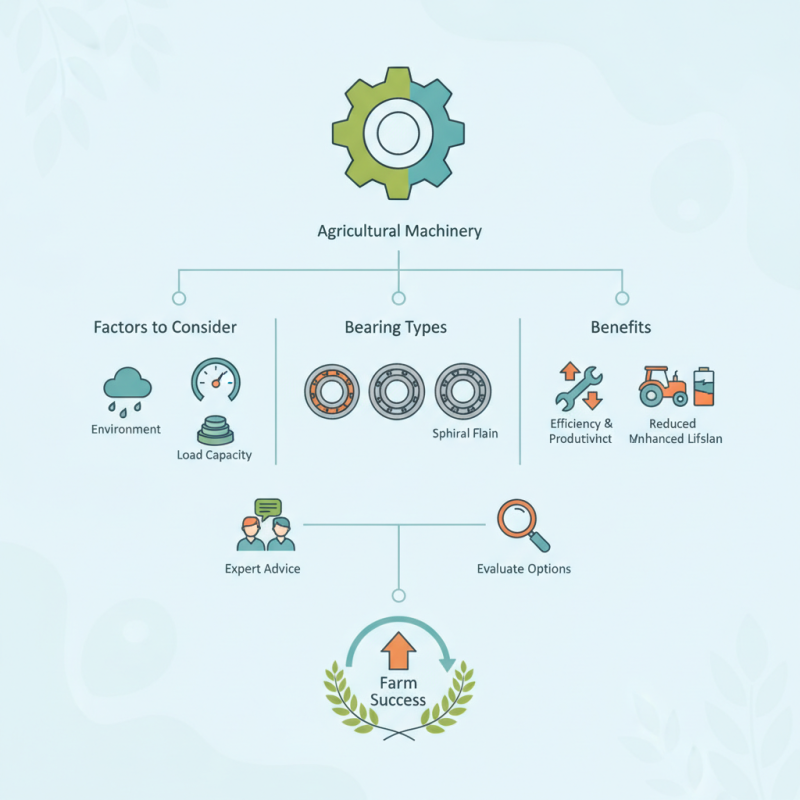
Understanding the specific needs of your agricultural equipment is essential. Different machines may require various types of Agricultural Bearings, depending on their function and load capacity. Consider factors like environment, speed, and load when making your decision. The right bearings can enhance machinery lifespan and improve overall performance.
Many farmers overlook the importance of expert advice. Consulting with experienced professionals can help you navigate through the complexities of bearing selection. Don’t rush this process. Taking the time to evaluate your options can lead to better outcomes and fewer regrets down the line. Ultimately, investing in the correct Agricultural Bearings is an investment in your farm's success.
Understanding Agricultural Bearings: Types and Applications
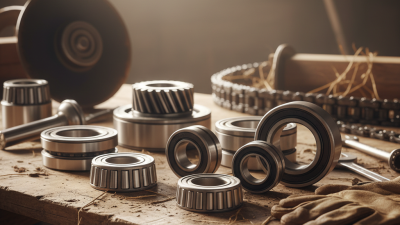
When selecting agricultural bearings, understanding the different types is essential for optimal performance. These bearings are crucial components in machinery like tractors, harvesters, and other farm equipment. They help reduce friction and support loads under various conditions. Common types include deep groove ball bearings, angular contact bearings, and tapered roller bearings. Each type has unique applications suited for specific equipment needs.
Tips for choosing the right bearing can make a significant difference. Always assess the load and speed requirements of your machinery. Consider the operating environment, as agricultural settings can expose bearings to dust, moisture, and temperature variations. Proper sealing and lubrication also enhance longevity. Check compatibility with existing equipment to ensure reliable performance.
It is crucial to remember that not all solutions will work perfectly. Some bearings might wear out faster under heavy loads, while others may not respond well to harsh environments. Regular inspections can highlight potential issues, allowing for timely replacements. While guidelines can inform your choices, real-world testing often reveals the best practices for ensuring efficiency in your agricultural operations.
Key Factors to Consider When Selecting Agricultural Bearings
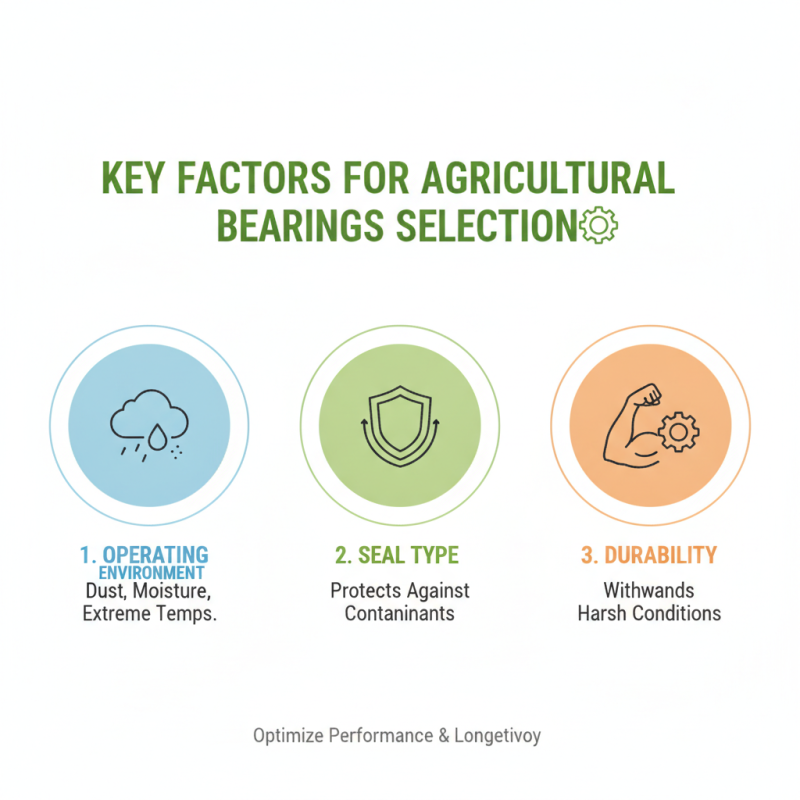
When selecting agricultural bearings, consider several key factors to ensure optimal performance. The operating environment is critical. Bearings in agricultural settings encounter dust, moisture, and extreme temperatures. Choosing bearings with appropriate seals can enhance durability.
Another important aspect is load capacity. Assess the weight and stress your machinery will impose on the bearings. If overburdened, even high-quality bearings may fail prematurely. Understand the specific demands of your equipment. Researching load characteristics and performance requirements can help in making informed decisions.
Maintenance is crucial for longevity. Regular inspections can identify wear before it leads to failure. Investing time in maintenance contributes to better productivity. If bearings are not checked regularly, unexpected downtime may occur. Remember that not all solutions fit every need. Consider working with experts for tailored advice. Their insights can reveal nuances you might overlook.
Material Choices for Enhanced Durability in Agricultural Bearings
When selecting agricultural bearings, material choice is vital for durability. Stainless steel often stands out due to its corrosion resistance. It can handle harsh conditions and provides a long service life. However, stainless steel may not always be the best choice for every application. It's essential to evaluate the specific environment and load demands.
Another popular option is chrome steel. Known for its high hardness, it enhances bearing performance under heavy loads. Yet, chrome steel is prone to rusting without proper maintenance. Farmers should regularly inspect bearings and apply protective coatings when necessary. Material choice impacts not only performance but also maintenance efforts.
Polymer bearings offer a lightweight alternative. They resist chemical damage and are quieter during operation. However, they may not match the strength of metal options. Understanding the trade-offs in each material is crucial. Each choice has pros and cons depending on operational conditions.
Top Tips for Choosing Agricultural Bearings for Your Needs
Maintenance Tips to Extend the Life of Your Agricultural Bearings
Agricultural bearings are crucial for machinery efficiency. Proper maintenance can significantly extend their lifespan. Regular checks can prevent unexpected failures.
One key tip is to maintain clean bearings. Dust and dirt can cause abrasive wear. Use appropriate seals to keep contaminants out. Regularly lubricate your bearings with suitable grease. This helps reduce friction and heat, preventing premature wear.
Another important aspect is monitoring operating conditions. Excessive load can lead to early bearing failure. Ensure your machinery is not overloaded. Check for any unusual noise or vibration, as these can indicate potential issues. Addressing problems early can prevent costly repairs down the line.
Finding Reliable Suppliers for Agricultural Bearings and Components
When sourcing agricultural bearings, the reliability of your suppliers plays a crucial role. You want partners who understand the demands of the agricultural sector. Research suppliers extensively before making commitments. Look for those with a solid track record and positive testimonials from other farmers or businesses. Trust is vital.
Consider their expertise in specific agricultural applications. Some suppliers specialize in bearings for tractors or harvesters. Ensure they provide detailed technical support. This ensures you choose the right components for your equipment.
When evaluating suppliers, ask about their sourcing methods. Are they transparent about where their materials come from? Reliable suppliers often prioritize quality and sustainability. Also, inquire about their warranty policies. A good warranty indicates confidence in their products. Don't hesitate to communicate your specific needs. Forming a transparent relationship can lead to better solutions and enhancements over time.
Top Tips for Choosing Agricultural Bearings for Your Needs
| Bearing Type |
Load Capacity (kg) |
Operating Temperature (°C) |
Material |
Lubrication Type |
| Ball Bearing |
2500 |
-20 to 100 |
Stainless Steel |
Grease |
| Roller Bearing |
5000 |
-30 to 120 |
Chrome Steel |
Oil |
| Needle Bearing |
3000 |
-20 to 90 |
Carbon Steel |
Grease |
| Agricultural Spherical Bearing |
4500 |
-20 to 100 |
Brass |
Grease |