How to Choose the Right Automotive Bearings for Your Vehicle?
Choosing the right automotive bearings for your vehicle can significantly impact performance and safety. Automotive bearings play a crucial role in reducing friction and supporting moving parts. According to a recent report by Market Research Future, the global automotive bearings market is projected to reach $46 billion by 2025. This growth emphasizes the importance of selecting quality bearings for optimal vehicle function.
Expert insights can guide this process. John Smith, an automotive bearings specialist, once stated, "Selecting the right bearings can be the difference between smooth operations and costly repairs." His perspective highlights the weight of informed choices.
While many factors influence the selection, issues often arise. Consumers may overlook size, load capacity, or material type. Each can critically affect bearing performance. Some may assume that any bearing will suffice, which could lead to unexpected challenges. Hence, careful consideration is essential. In the end, the right automotive bearings can lead to better vehicle longevity and efficiency, but the wrong choice can be detrimental.
Understanding the Different Types of Automotive Bearings Available
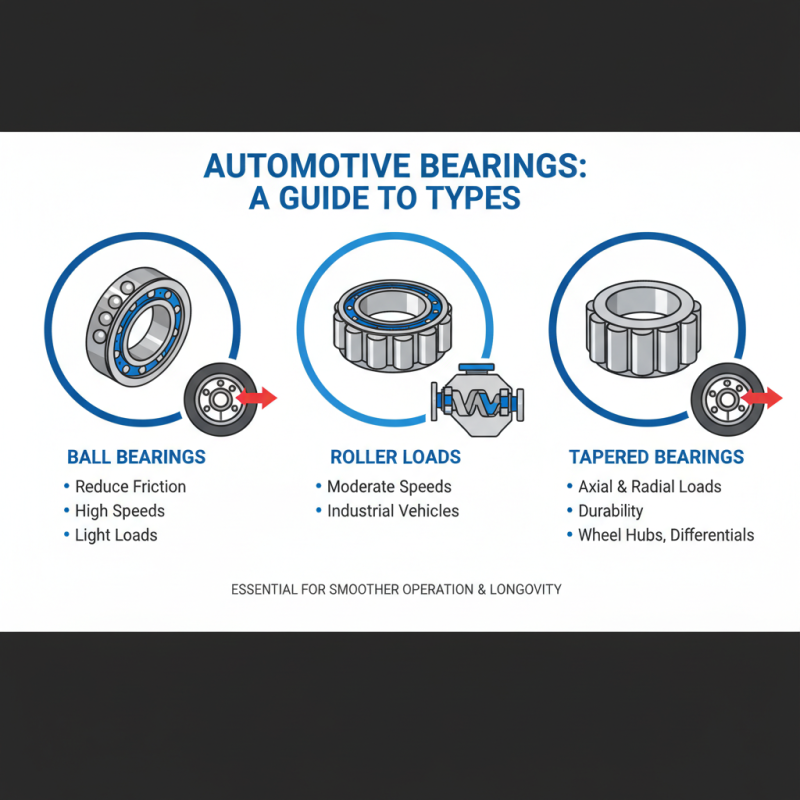
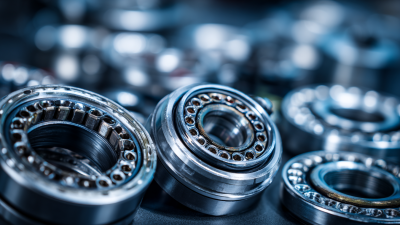
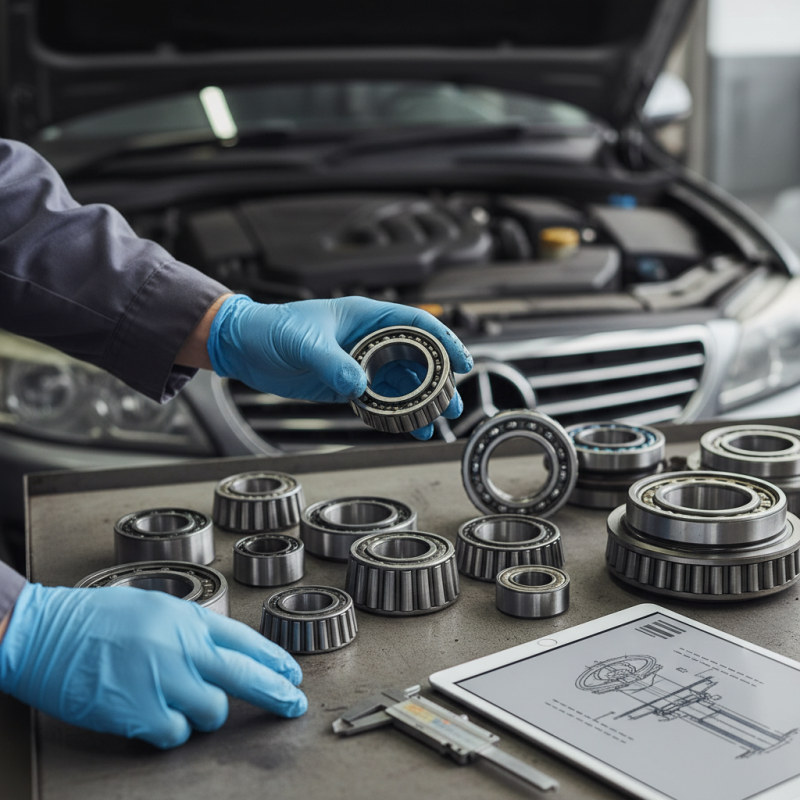
When choosing automotive bearings, understanding the types available is essential. Bearings are crucial components that support vehicle moving parts. They reduce friction, enabling smoother operation. There are several types, including ball bearings, roller bearings, and tapered bearings. Each type has its own advantages and limitations.
Ball bearings are popular due to their versatility. They can handle both axial and radial loads, making them ideal for various applications. Roller bearings, on the other hand, are more suited for heavy loads. Their design allows better weight distribution, but they may not work well in all situations. Tapered bearings are specific for high-speed operations, offering reduced friction but requiring precise alignment.
It’s easy to overlook the importance of quality. Many vehicle owners may choose cheaper options, thinking they save money. However, low-quality bearings can lead to significant issues later. The consequences might involve more repairs or even replacements. Every decision matters in maintaining your vehicle’s performance. In the end, understanding these types allows for better choices when selecting bearings.
Factors to Consider When Selecting Bearings for Your Vehicle
Choosing the right automotive bearings is crucial for vehicle performance. When selecting bearings, consider several factors. Understand the type of bearing needed based on your vehicle's demands. Different applications require different specifications.
Bearing size is vital. Measure your existing bearings carefully. The inner and outer diameters must match perfectly. A small error can lead to inefficiency. Also, examine the load capacity. Ensure the bearings can handle the weight and stress of your vehicle.
Material matters, too. Choose bearings made from high-quality steel or ceramic. This impacts durability and longevity. Sometimes, people overlook these details. They assume that any bearing will just fit. However, minor variations can lead to major problems. Always research and verify your options for better performance.
Evaluating Compatibility with Your Vehicle’s Make and Model
Choosing the right automotive bearings requires a thorough evaluation of your vehicle's make and model. Bearings play a crucial role in ensuring your vehicle runs smoothly. Different vehicles have varying requirements. Specific designs and materials will greatly impact performance. According to a report by the Society of Automotive Engineers, improper bearing selection can lead to premature wear and increased maintenance costs.
It's essential to check manufacturer specifications. Each vehicle may have unique bearing sizes and types. For example, a sedan may not share the same bearings as a truck. Always cross-reference with your vehicle’s service manual. This ensures compatibility and maximizes lifespan.
Tip: Look for user reviews or expert opinions on bearings compatible with your vehicle. Real-world experiences provide valuable insights. Another tip: consult with a professional. They can help identify the best option tailored to your needs. Taking these steps can minimize trial and error, enhancing your driving experience.
Assessing Load Capacity and Performance Requirements
Choosing the right automotive bearings starts with assessing load capacity and performance needs. Load capacity refers to how much weight a bearing can support without failure. Consider the vehicle type and its weight. Sports cars require bearings that can handle high speeds. Conversely, larger vehicles need bearings that cope well with heavy loads.
When assessing performance, factors like speed, temperature, and lubrication come into play. High-speed applications often require specially designed bearings to reduce friction. Regular bearings may fail under these conditions. Also, consider the operating temperature. Bearings in hot environments may need a different material.
Tips: Always check the manufacturer specifications for load limits. Look for bearings with higher load ratings if you're unsure. Lastly, remember, using a bearing not suited for your vehicle can lead to expensive repairs. Don't rush the selection process. Take your time to reflect on your driving habits and environments for the best choice.
Load Capacity and Performance Requirements of Different Automotive Bearings
Consulting with Professionals for Expert Recommendations
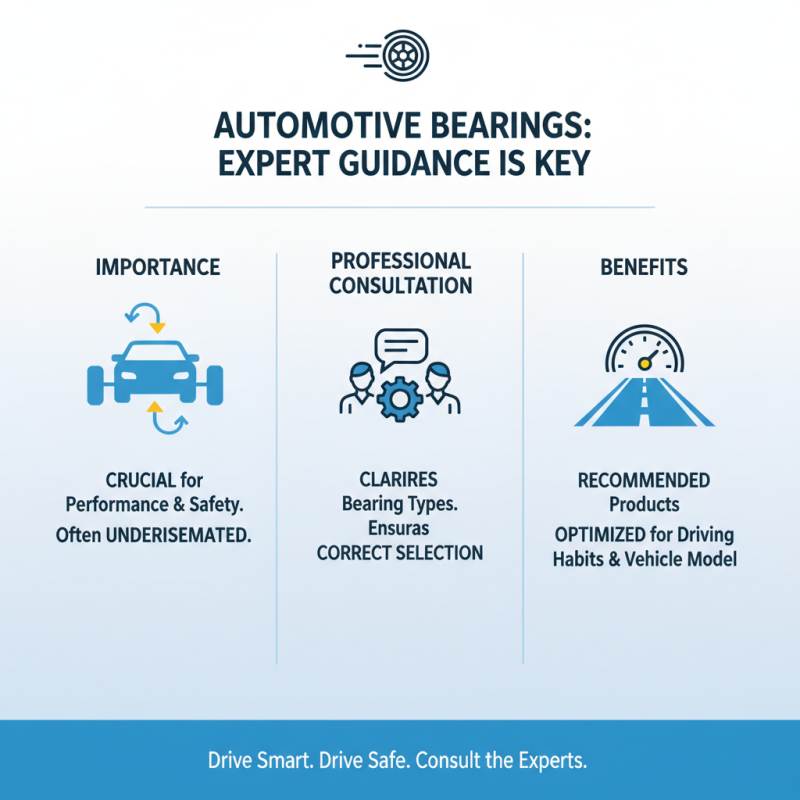
When it comes to automotive bearings, seeking professional guidance can be invaluable. Many vehicle owners underestimate the importance of bearings. They play a crucial role in your vehicle's performance and safety. Consulting with professionals can help clarify which type of bearings is best for your make and model. They possess the experience to recommend the right products based on your driving habits.
Bringing your vehicle to a skilled mechanic or bearing specialist is key. They will conduct a thorough inspection, identifying wear and compatibility issues. These experts often have access to superior tools and diagnostic equipment. If you're unsure about the right bearings, don't hesitate to ask questions. Seek clarity on material quality and installation techniques. Sometimes, the information can be overwhelming.
Not all bearings are created equal. You may find options that seem adequate but miss critical specifications. For example, a bearing could fit physically but not perform optimally under certain conditions. Reflection on your driving style can guide your choice too. If you drive in extreme weather or terrain, a professional’s insight is essential. They can suggest upgrades to improve longevity and performance, providing more than just a simple replacement.