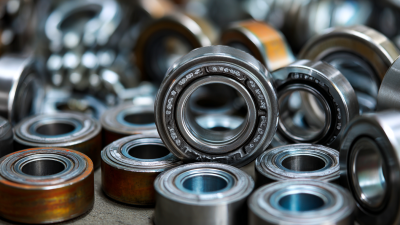
Choosing the right Rotating Bearing is crucial for optimal performance in various applications. According to a recent report by MarketsandMarkets, the global bearings market is projected to reach $171.0 billion by 2026. This growth highlights the importance of selecting the right components for efficiency and reliability.
Rotating Bearings are essential in industries ranging from automotive to aerospace. A study by TechSci Research indicates that the demand for high-performance bearings is rising due to advancements in technology. However, making the right choice remains challenging. Factors such as load capacity, speed, and environment can significantly influence performance.
Selecting a Rotating Bearing requires careful consideration. It’s not just about picking the cheapest option. Often, the most economical choice can lead to premature failures. This can result in increased downtime and maintenance costs. Therefore, understanding the specifications and applications of different bearings is critical.
When selecting rotating bearings for different applications, several key factors come into play. The load capacity is crucial. It determines how much weight the bearing can support. Consider the type of load too. Is it static or dynamic? This distinction directly affects performance.
Another important factor is speed. Rotating bearings must handle the required RPM. Higher speeds can lead to increased heat. This means better lubrication and materials are necessary. For example, using a bearing made with high-quality steel can help minimize wear over time.
**Tips:** Assess the environment where the bearing will operate. Will it face moisture or dust? Sealed bearings might be the solution.
Don’t overlook the alignment of the components. Misalignment can cause premature failure. Regular checks can be beneficial. Understanding your application deeply will lead to a better choice. It’s essential to balance performance with cost. Sometimes the cheapest option may not be the best in the long run.
| Application Type | Load Capacity (kN) | Speed (RPM) | Temperature Range (°C) | Bearing Type |
|---|---|---|---|---|
| Electric Motors | 20 | 3000 | -20 to 80 | Ball Bearing |
| Construction Machinery | 50 | 1500 | -30 to 70 | Roller Bearing |
| Aerospace | 15 | 6000 | -40 to 120 | Ceramic Bearing |
| Automotive | 25 | 2500 | -20 to 100 | Angular Contact Bearing |
| Wind Turbines | 80 | 700 | -30 to 90 | Spherical Roller Bearing |
Selecting the right rotating bearing involves understanding load capacity deeply. Load capacity is critical. It determines how much weight a bearing can effectively handle. According to a recent industry report, approximately 30% of bearing failures arise from incorrect load ratings. This highlights the need for careful assessment.
Factors like static and dynamic load ratings should be evaluated. Static load refers to the maximum load a bearing can withstand when stationary. In contrast, dynamic load concerns loads while in motion. Misjudging these figures can lead to unexpected failures. Research indicates that a mere 10% increase in load can reduce bearing life by up to 50%. This loss is significant for many applications.
Additionally, consider environmental conditions. High temperatures and contamination can alter load capacity. Bearings may face harsh realities in these situations. Observations suggest that over 20% of bearings fail prematurely due to such factors. Reflecting on these aspects is crucial. It could save both time and resources in the long run.
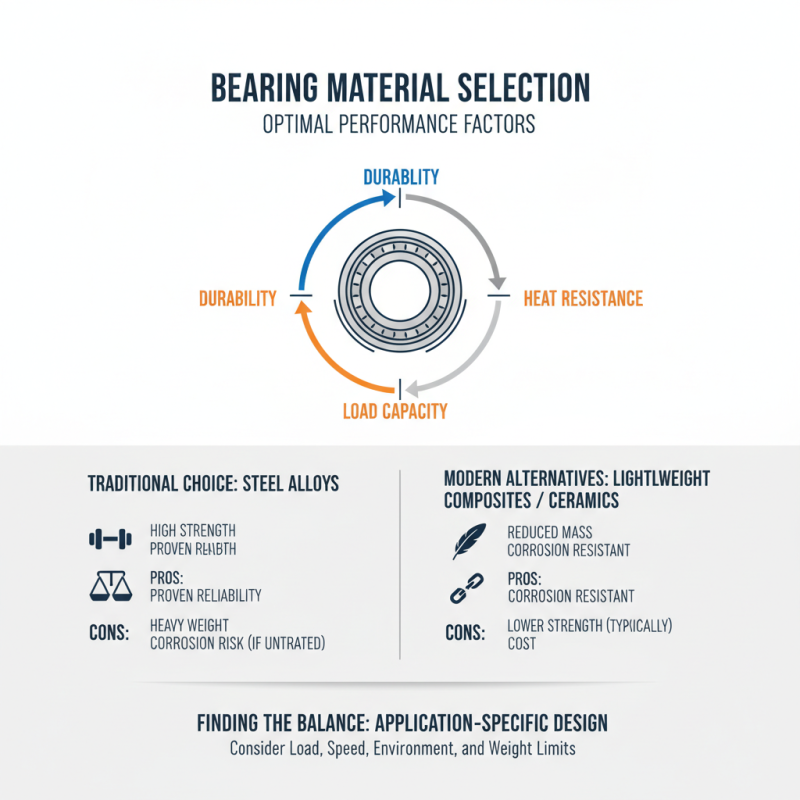
Choosing the right material for a rotating bearing is crucial. Each application has unique demands. The material influences durability, load capacity, and heat resistance. Steel alloys are common, but their weight can be a drawback. Lightweight materials can reduce the overall mass of machinery. Yet, these often lack strength. Finding a balance is key.
Consider plastic bearings. They're resistant to corrosion and offer low friction. However, they may not withstand heavy loads or high temperatures. This may lead to premature failure. On the other hand, ceramic bearings excel in harsh environments. They are often brittle and might break under shock loads. These factors emphasize the importance of understanding the specific needs of an application.
Testing various materials in your environment is essential. Observing how they perform under different conditions can reveal hidden flaws. Sometimes, what seems perfect on paper fails in real life. Materials may react unexpectedly to lubricants, temperatures, or contaminants. This reflects the need for careful selection and testing. Balancing performance, weight, and cost is a complex challenge but necessary for optimal bearing performance.
When selecting a rotating bearing, it's vital to consider operating speeds. The speed at which the bearing will run significantly affects its lifespan and performance. High-speed applications demand bearings that can handle increased friction and heat. Conversely, lower speeds might allow for more flexible bearing types.
Tips: Always match the bearing to the application's specific speed requirements. This avoids premature wear or failure.
Consider the materials used. Bearings made from high-quality steel or ceramics typically offer better wear resistance at high speeds. It's crucial to evaluate these factors early in the selection process.
In some cases, the wrong choice can lead to operational issues. For example, using a bearing rated for low speeds in a high-speed application could cause overheating. This highlights the need for careful planning and testing in real-world conditions.
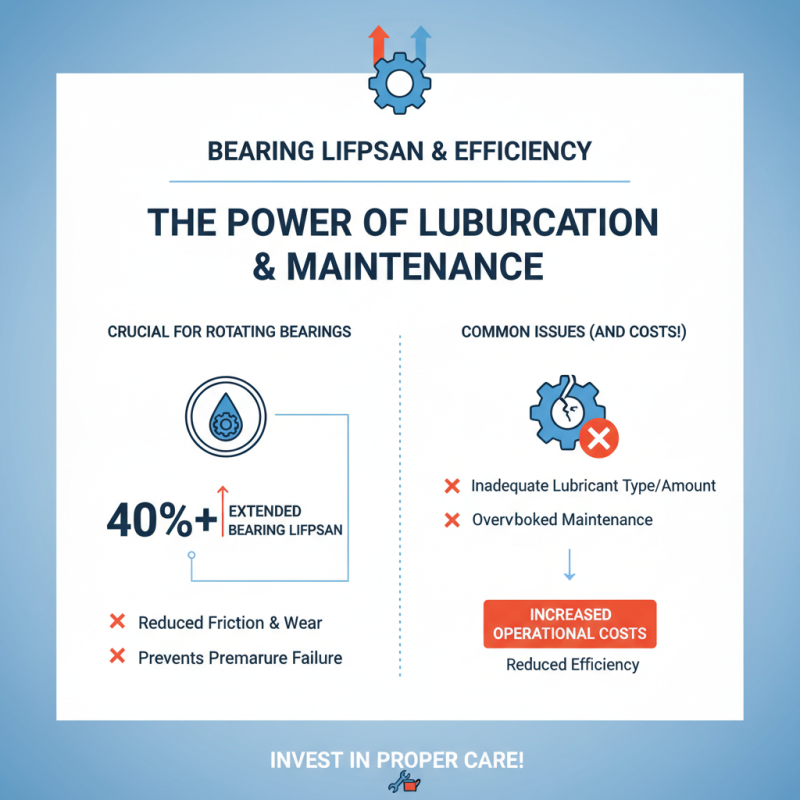
Proper lubrication is crucial for rotating bearings. Research shows that proper lubrication can extend the bearing lifespan by over 40%. However, many users overlook this fundamental aspect. They often use inadequate types or amounts of lubricant. This can lead to premature failure and increased operational costs.
Regular maintenance is equally important. A study indicates that up to 70% of bearing failures can be attributed to poor maintenance practices. Inspections should be routine, focusing on noise, vibration, and temperature deviations. Ignoring these signs may lead to catastrophic failures. In some cases, failure to maintain can also disrupt production schedules, causing significant financial losses.
Additionally, selecting the right lubricant type is vital. Not all lubricants perform the same under load or temperature conditions. Some may seem adequate but can dry out quickly. This is a common oversight. Balancing lubrication quality with application requirements can improve efficiency dramatically. Small, seemingly insignificant choices can have lasting impacts on bearing performance.