How to Choose Steel Bearings for Optimal Performance?
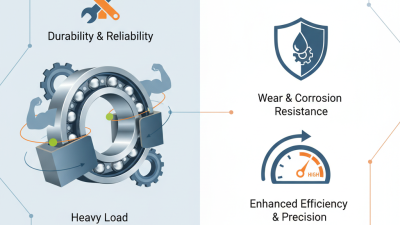
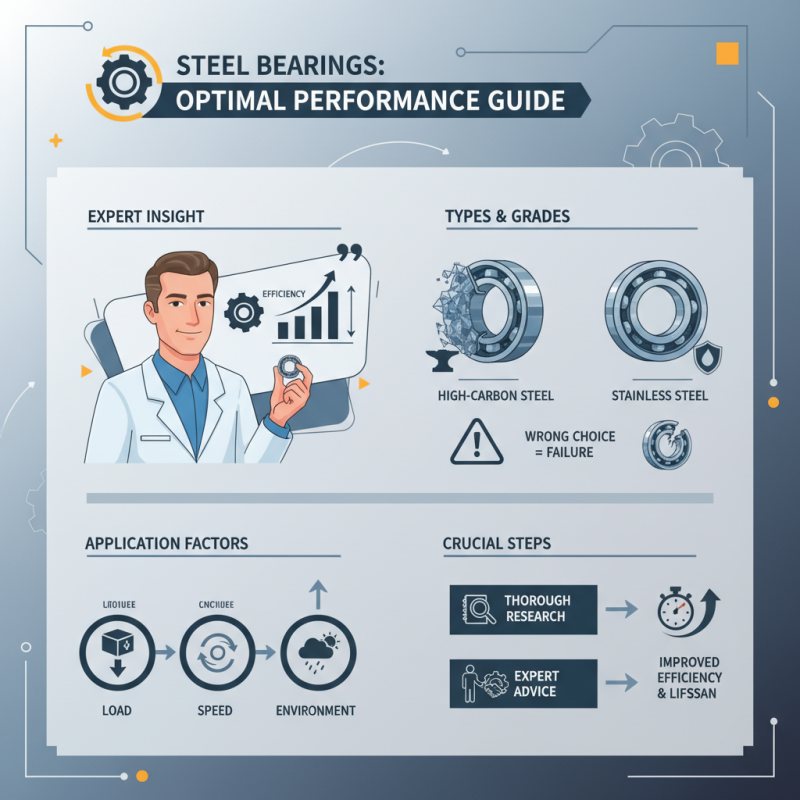
Choosing the right steel bearings is crucial for optimal performance in various applications. Expert John Smith, a renowned specialist in bearing technology, states, "High-quality steel bearings can significantly reduce friction and enhance efficiency." This insight underscores the importance of understanding steel bearings’ specifications and materials.
Steel bearings come in various types and grades. Each type has its unique properties, affecting performance and durability. For example, high-carbon steel bearings offer better hardness, while stainless steel provides corrosion resistance. However, selecting the wrong type can lead to premature wear or unexpected failures.
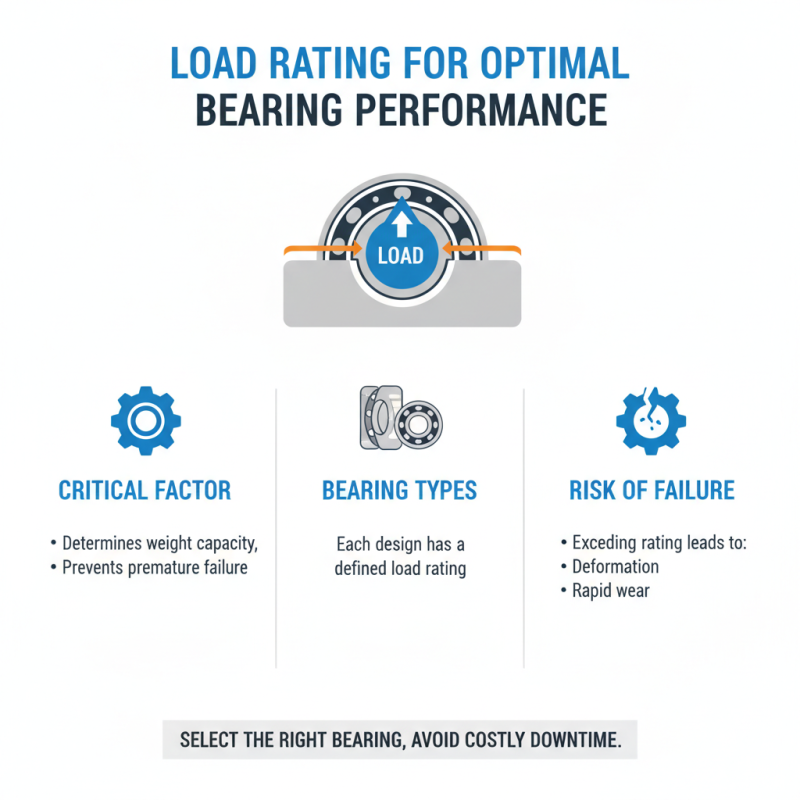
Awareness of these factors can enhance equipment reliability. It's essential to evaluate the specific requirements of your application. Understand the load, speed, and environmental conditions. Frequent mistakes occur when users overlook these details. Proper choices lead to remarkable improvements in efficiency and lifespan. Therefore, thorough research and expert advice are vital when choosing steel bearings.
Factors Influencing the Selection of Steel Bearings in Engineering Applications
Choosing the right steel bearings is crucial for ensuring optimal performance in engineering applications. Several factors influence this selection process. Key aspects include load capacity, operating speed, and environmental conditions. According to industry reports, steel bearings account for over 70% of the bearing market due to their durability and strength. They excel in high-load situations, often found in heavy machinery and automotive applications.
One important consideration is the bearing material. Alloy steel tends to offer better wear resistance compared to standard carbon steel. The hardness of the steel, measured in Rockwell, significantly impacts performance. The right hardness rating can enhance fatigue resistance. This makes it vital for manufacturers to assess operational requirements carefully.
Tip: Always check compatibility between bearing materials and operational environments. For instance, high temperatures may require special coatings or materials. Regular maintenance is also critical; neglect can lead to premature failures. Evaluating the total cost of ownership is as essential as the initial selection of bearings. Engaging with engineering experts can provide valuable insights into specific applications. This can lead to smarter, more efficient choices.
Understanding the Different Types of Steel Bearings Available in the Market
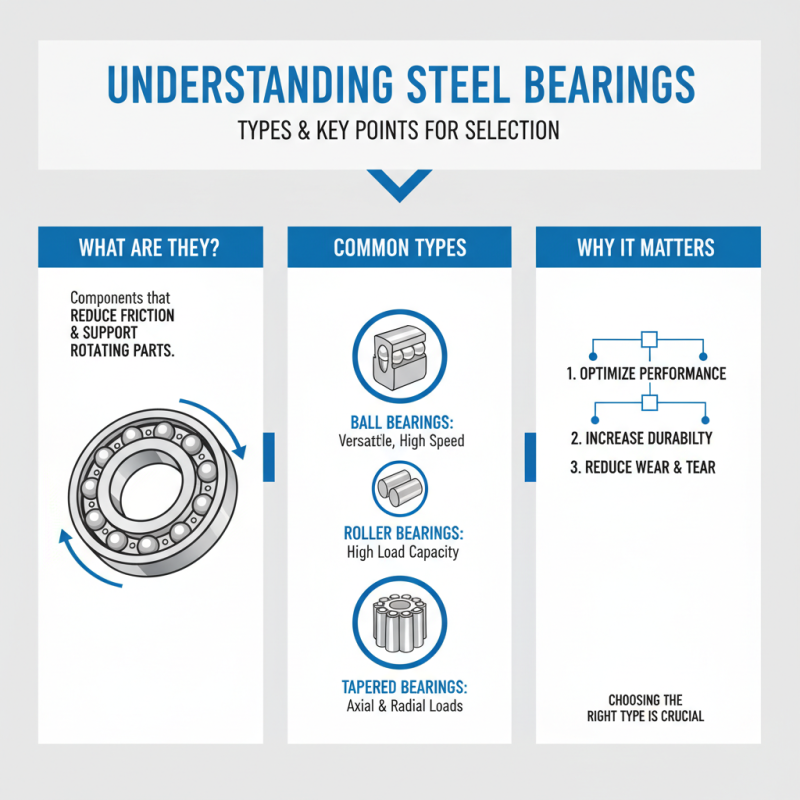
When selecting steel bearings, understanding the available types is crucial. Steel bearings are integral components in numerous applications. They are designed to reduce friction and support rotating parts. With various types available, choosing the right one can be overwhelming.
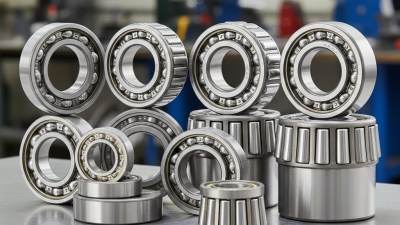
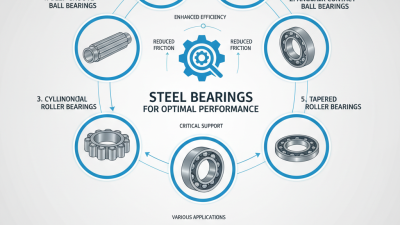
Some common types include ball bearings, roller bearings, and thrust bearings. Ball bearings are versatile. They handle both radial and axial loads. Roller bearings, on the other hand, carry heavier loads due to their increased contact area. Thrust bearings are specialized for axial loads, often seen in marine applications. Each type offers distinct advantages and limitations. For instance, ball bearings may wear out faster under heavy loads. This creates a scenario for potential failure.
It's important to consider the operating environment. Factors such as temperature, speed, and load capacity significantly affect performance. Not all steel bearings are created equal. Some are treated for corrosion resistance, while others may not withstand extreme conditions. Evaluating these aspects can lead to better decision-making. As a result, engineers and designers must reflect on their specific needs when selecting the right type of bearing for optimal operation.
Key Materials and Coatings for Enhanced Bearing Performance and Longevity
Choosing the right materials and coatings for steel bearings is crucial. The type of steel used can affect performance. High-quality stainless steel often enhances durability. This choice helps prevent rust and wear over time. However, not all stainless steel is equal; understanding the grades is vital.
Coatings play a significant role in longevity. Certain coatings like ceramic or chrome can reduce friction. This reduction can lead to smoother operations. It’s important to consider the operating environment. Harsh conditions may require more robust coatings. Yet, coating can sometimes wear off faster than expected. Monitoring is key to maintaining performance.
Additionally, lubrication cannot be overlooked. The right grease or oil can significantly impact bearing performance. However, using improper lubricants can be detrimental. They may cause buildup or inadequate protection. Regular inspections can help identify issues early. Understanding how various materials and coatings impact performance leads to informed decisions.
How to Choose Steel Bearings for Optimal Performance?
| Bearing Type |
Material |
Coating Options |
Load Capacity (kg) |
Maximum RPM |
Temperature Range (°C) |
| Ball Bearing |
Chrome Steel |
Zinc Plating |
100 |
12000 |
-20 to 80 |
| Roller Bearing |
Stainless Steel |
Nitriding |
200 |
8000 |
-30 to 100 |
| Thrust Bearing |
Carbon Steel |
Ceramic Coating |
150 |
5000 |
-10 to 70 |
| Spherical Bearing |
Alloy Steel |
PTFE Coating |
250 |
4000 |
-20 to 120 |
Evaluating Environmental Conditions for Suitable Steel Bearing Selection
When selecting steel bearings, understanding environmental conditions is crucial for optimal performance. Factors such as temperature, humidity, and exposure to contaminants significantly impact bearing life. For instance, high humidity can lead to corrosion, while extreme temperatures might affect lubrication properties. According to a report by the American Society of Mechanical Engineers, bearings operating in harsh environments can experience a reduction in lifespan of up to 30%.
Regular assessments of your working conditions can guide the selection of suitable materials. Stainless steel bearings often resist corrosion better than standard steel. If the operating environment involves exposure to moisture or harsh chemicals, these types can be valuable. Ensure that the lubrication method aligns with the specific conditions, as improper lubrication can result in increased wear or failure.
**Tips:** Always monitor temperature shifts and humidity levels. Implement regular inspections to detect early signs of wear. Consider using protective coatings for enhanced durability in challenging environments. Recognizing these environmental nuances is essential for making informed choices regarding bearing material and design. It’s vital to reflect on past experiences and learn from observed failures or performance drops.
Environmental Conditions Impacting Steel Bearing Performance