How to Choose the Best Bearing Tools for Your Needs?
Choosing the right bearing tools is essential for optimal performance in various applications. According to a recent report by the International Federation of Robotics, the demand for specialized bearing tools is on the rise. Experts predict a growth rate of 7.3% annually over the next five years. This statistic underscores the importance of making informed decisions in selecting these tools.
Industry expert Dr. Steven H. Moore emphasizes, “The right bearing tools can drastically improve efficiency and reduce operational downtime.” His insight highlights the significance of understanding your specific needs. Selecting the wrong tools can lead to failures and costly repairs, a stark reminder of how critical this choice is.
When assessing available options, consider factors like compatibility, durability, and ease of use. Many users overlook these aspects, leading to suboptimal choices. It's not just about picking popular brands; deep knowledge of your requirements is key. A poor selection can result in wasted resources and frustration. Therefore, approaching the selection process methodically is essential for long-term success in utilizing bearing tools effectively.
Understanding Different Types of Bearings and Their Applications
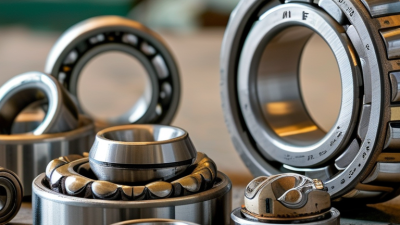
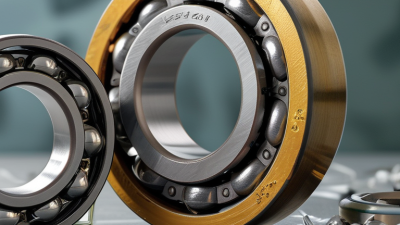
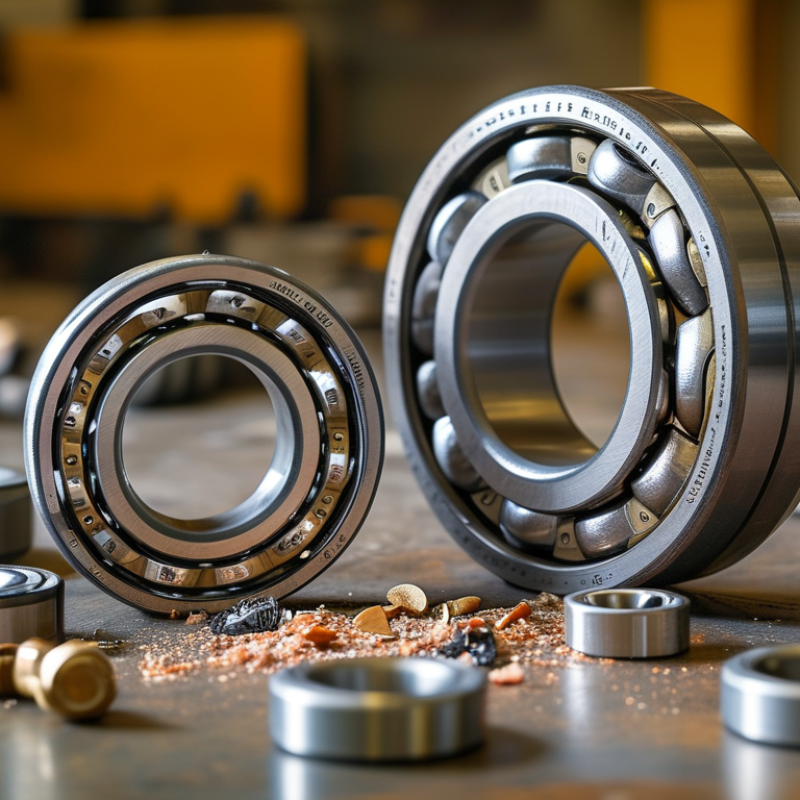
When selecting bearing tools, understanding the types and their applications is crucial. Bearings fall into several categories, each serving distinct functions. Rolling bearings, for instance, are widely used due to their efficiency in reducing friction. According to the International Bearing Association, they account for over 70% of the bearing market.
Another type, plain bearings, are simpler and often found in construction machinery. They do not have rolling elements, making them less efficient but suitable for high-load applications. Data from the World Bearing Association highlights that their use has increased by 15% in industries such as mining and agriculture since 2020.
Hybrid bearings, which combine ceramic and steel components, are gaining traction as they provide superior wear resistance. This makes them ideal for high-speed applications. Despite their benefits, they are often overlooked due to higher costs. A recent industry survey showed that many companies still rely on standard bearings without considering these innovative options, potentially impacting efficiency.
Key Factors to Consider When Selecting Bearing Tools
Choosing the right bearing tools requires careful consideration of several key factors. A tool that fits your needs can improve efficiency and performance. Look for tools that offer durability. The material and construction play a vital role in the lifespan of the tools. High-quality materials can withstand heavy usage over time.
Another factor to consider is compatibility. Ensure the tools match the sizes and types of bearings you work with. A mismatched tool can lead to damage or ineffective performance. Research various tools before making a decision. Reviews and expert opinions can provide valuable insights into their effectiveness.
Tips for selection: Check for ergonomic designs. Comfort during use can reduce fatigue. Lighting may also be crucial in your workspace. Good visibility aids in accuracy. Ultimately, your choice should reflect the specific tasks you frequently perform, even if some tools may seem unnecessary at first. Reevaluate your collection periodically. This ensures you have the right tools for evolving needs.
Analyzing the Importance of Precision in Bearing Tools
Precision plays a crucial role when selecting bearing tools. High-quality tools ensure better alignment and fit. This precision minimizes wear and tear over time. Using precise tools improves overall performance. It can also prevent costly repairs in the long run. Every detail matters in the manufacturing processes. Slight deviations can lead to significant operational issues later.
Choosing the right bearing tool depends on the specific application. For instance, heavier loads require sturdier tools. If precision is off, it compromises the machine's efficiency. It's essential to assess the specifications closely. Many tools look similar, yet their functions can vary widely. Understanding the needs is vital. It often requires expertise that comes from experience and knowledge.
Mistakes can lead to wasted resources. Inadequate tools may cause delays and operational setbacks. A reflection on previous choices could reveal areas for improvement. It's beneficial to consult industry experts to gain insights. They can provide valuable perspectives on tool selection. Ultimately, the goal is to achieve a balance between precision and practicality.
Evaluating Material Choices for Durability and Performance
When selecting bearing tools, the material choices play a crucial role in their durability and performance. Common materials include steel, ceramic, and plastic. Steel offers high strength and resistance to wear, making it a popular choice. However, different grades of steel have varying properties. Choosing the right grade is essential for specific applications. It’s easy to overlook the importance of this choice, but doing so can lead to premature tool failure.
Ceramic bearings, on the other hand, can deliver superior performance in certain conditions. They are lightweight and resistant to corrosion. Yet, they may lack the toughness found in steel varieties. This is a trade-off that should be carefully weighed. Consider your specific needs. Are you working in a corrosive environment? If yes, then ceramic might be your best option.
Plastic bearings are also worth considering. They are lightweight and can operate in environments where metal would corrode. However, their load capacity is typically lower than that of metal bearings. This can limit their applications. Often, users can underestimate the impact of material on long-term performance. Testing under your specific conditions can provide invaluable insights. Evaluate your options thoroughly to find the best match.
How to Choose the Best Bearing Tools for Your Needs? - Evaluating Material Choices for Durability and Performance
| Material |
Durability |
Load Capacity |
Temperature Resistance |
Cost |
| Steel |
High |
High |
Moderate |
$$ |
| Stainless Steel |
Very High |
Moderate |
High |
$$$ |
| Plastic |
Moderate |
Low |
Moderate |
$ |
| Ceramic |
Very High |
High |
Very High |
$$$$ |
| Bronze |
High |
Moderate |
Moderate |
$$ |
Cost versus Quality: Finding the Right Balance in Bearing Tool Selection
When selecting bearing tools, the balance of cost and quality is vital. Many often lean towards cheaper options, hoping to save money. However, this can lead to higher long-term costs due to faster wear or failure. A low-quality tool may not perform well, leading to frustrating delays.
Investing in quality bearing tools can seem intimidating. It requires understanding the specific demands of your tasks. Look for tools designed for durability and precision. Consider the materials used and how they can impact longevity. Sometimes, a more expensive tool is the right choice, as it may save you from frequent replacements.
Evaluating costs also means focusing on value. A mid-priced tool could offer the reliability you need. It’s about finding that sweet spot between price and performance. Reflect on your previous experiences. Did a cheap tool fail you? Such reflections can guide future purchases. Balancing cost with quality requires careful thought, but it’s essential for successful projects.
How to Choose the Best Bearing Tools for Your Needs
This bar chart illustrates the balance between cost and quality when selecting bearing tools. As shown, higher quality tools typically command higher costs. Consider your specific needs and budget when making your selection.