How to Choose the Right Angular Bearing for Your Needs?
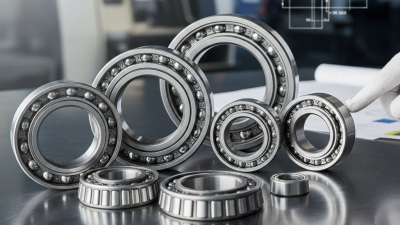
Choosing the right Angular Bearing for specific applications can be challenging. Expert John Smith, a renowned figure in the bearing industry, emphasizes, "Selecting the right bearing is crucial for optimal performance." Angular Bearings play a vital role in various machinery. They support heavy loads and can handle thrust and radial loads simultaneously.
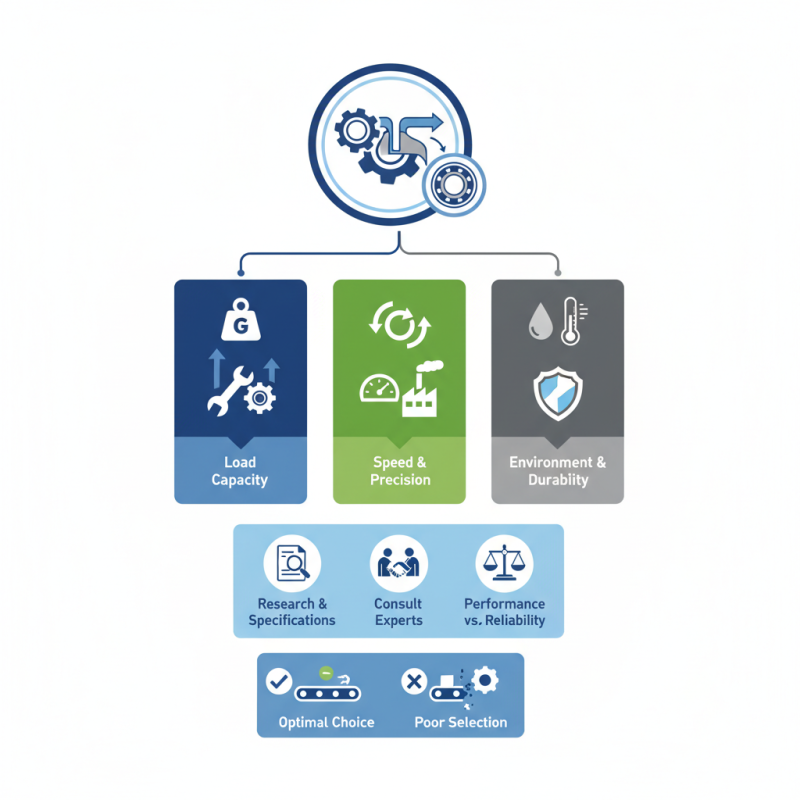
Understanding your application helps in making the right choice. Consider factors like load capacity, speed, and environment. Poor selection can lead to early failure or inefficient operations. Many overlook the importance of environmental factors, which can affect bearing longevity. This often leads to costly repairs or replacements.
When considering an Angular Bearing, research is key. Talk to experts, review specifications, and consider all options. The wrong bearing can have significant consequences. Balancing performance with reliability ensures your machinery runs smoothly. Always reflect on your choices to improve future decisions.
What Are Angular Bearers and Their Applications?
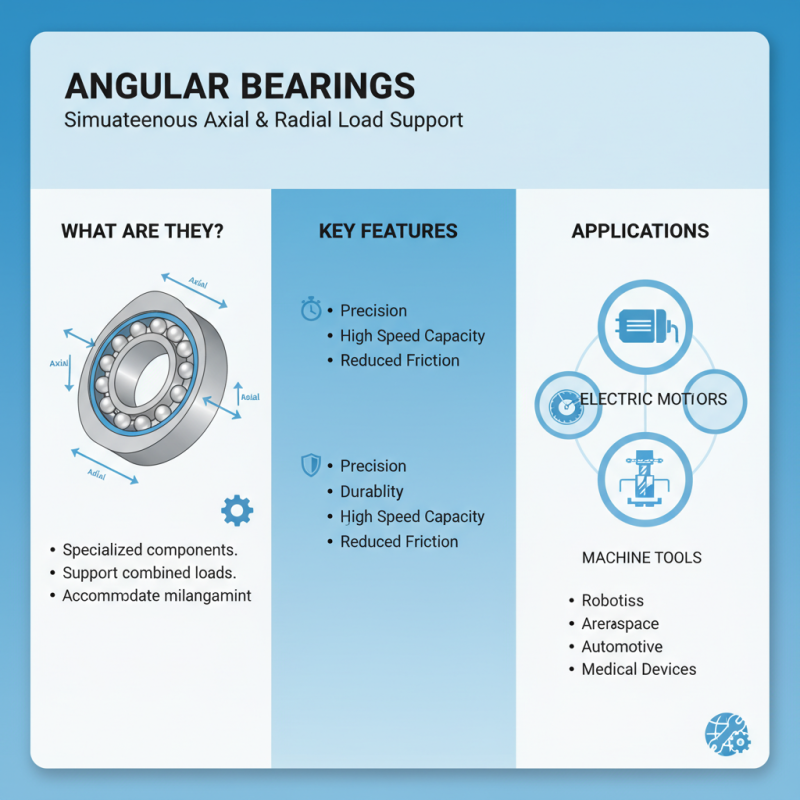
Angular bearings are specialized components designed to support axial and radial loads simultaneously. Their unique shape enables them to accommodate angular misalignments, making them ideal for various applications. You'll find them in rotary encoder systems, electric motors, and machine tools. Each of these uses benefits from the bearings' precision and durability.
In selecting the right angular bearing, consider the specific requirements of your application. Load capacity, speed limits, and installation space are crucial factors. It's also vital to examine environmental conditions. Are there high temperatures or contaminants present? These elements will influence your choice significantly.
Angular bearings can exhibit limitations, such as increased friction at higher speeds. Sometimes they may not perform optimally under certain conditions. Regular maintenance is essential for prolonging their lifespan. Evaluate the performance regularly, as unexpected wear can lead to equipment failure. Remember, the right bearing involves balancing specifications with real-world challenges.
Understanding the Types of Angular Bearings Available
Angular bearings are essential in many mechanical applications. They allow for precise control of angular movement. Understanding the types of angular bearings helps you make an informed choice.
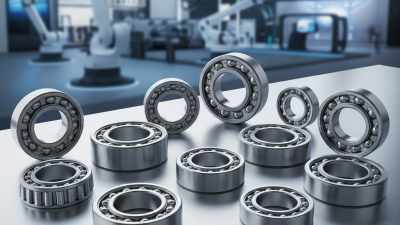
There are various types of angular bearings available. The most common are ball bearings and roller bearings. Ball bearings provide low friction and high speed, making them suitable for fast-moving applications. Roller bearings can support heavier loads. They are typically used in industrial settings.
When selecting an angular bearing, consider load capacity, speed, and environmental conditions. Different applications may require different materials. For instance, some environments may expose bearings to moisture or dust, affecting their lifespan. It's crucial to analyze your specific needs, as a mismatch can lead to unexpected failures. Remember, taking the time to understand your options can save future complications.
Key Factors to Consider When Selecting Angular Bearings
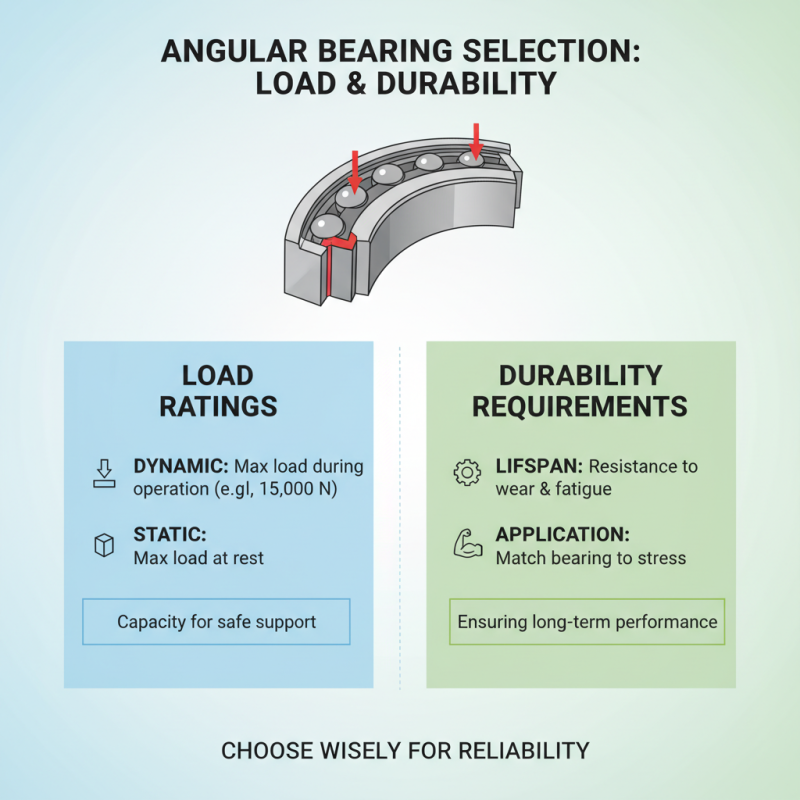
Choosing the right angular bearing involves several key factors. Load capacity is paramount. According to industry reports, the ability to handle radial and axial loads directly influences performance. A bearing’s load rating helps determine its suitability for specific applications. Miscalculating this can lead to premature failure.
Another crucial factor is the speed rating. Bearings need to operate efficiently at desired speeds. The industry standard suggests selecting bearings with a higher speed capability than your operating requirements. This provides a buffer for unexpected conditions. Additionally, lubrication choices play a critical role. The type of lubricant affects friction and wear. Studies indicate that proper lubrication can enhance bearing life by up to 50 percent.
The operating environment cannot be overlooked. Angular bearings exposed to moisture, dust, or extreme temperatures require specific materials and coatings. Reports show that bearings in harsh conditions often fail sooner if not properly rated. Taking these factors into account can ensure better performance and longevity. Remember, every bearing choice should fit your unique application needs.
Choosing the Right Angular Bearing: Key Factors to Consider
Maintenance Tips for Prolonging Angular Bearing Lifespan
When it comes to angular bearings, proper maintenance is essential for ensuring longevity. Statistics from industry reports indicate that equipment failures due to bearing issues can lead to costly downtimes. Regular inspections and proper lubrication are key factors in enhancing bearing performance.
One important tip is to maintain an optimal lubrication schedule. Over-lubricating can lead to grease accumulation, which may cause temperature increases. According to the National Lubricating Grease Institute, appropriate lubrication frequency varies depending on load and environmental conditions. It's crucial to find that balance to prolong bearing life.
Another consideration is environmental factors. Dust, moisture, and temperature extremes can affect a bearing’s integrity. Utilizing seals properly can help mitigate these risks. The American Bearing Manufacturers Association suggests that even small contaminants can drastically reduce bearing lifespan. Regular cleaning of the surrounding area can also prevent potential damage. Implementing routine checks ensures any signs of wear are caught early, reducing the chance of major issues developing.