How to Design Bearings for Optimal Performance in 2026?
In the evolving world of machinery, bearing design plays a crucial role in performance. As industries move towards greater efficiency and sustainability, understanding optimal bearing design becomes essential. The bearing is a small yet powerful component that affects the system's reliability and longevity.
Designing bearings for 2026 requires anticipating technological advancements and market demands. Engineers must consider materials, geometries, and loading conditions. Each choice impacts performance and can lead to unexpected challenges. Many designs falter under real-world conditions, highlighting the need for thorough testing and validation.
Moreover, while innovations abound, the human factor cannot be ignored. Misunderstandings about bearing design may lead to failures. Engineers must engage in continuous learning and adaptation. Balancing theoretical knowledge with practical experience is vital to achieving optimal designs. Embracing a reflective mindset will drive better solutions in an ever-changing landscape.

Understanding Bearing Design Principles for Enhanced Performance
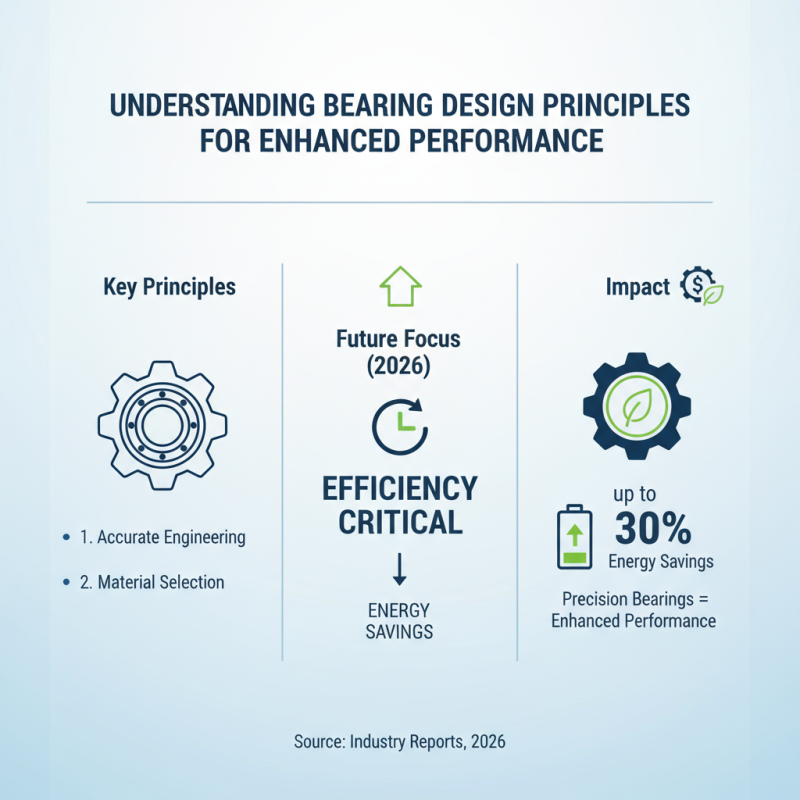
Designing bearings for optimal performance involves a deep understanding of their principles. In 2026, efficiency will be more critical than ever. According to industry reports, precision bearings can lead to energy savings of up to 30%. This emphasizes the need for accurate engineering and material selection.
The choice of materials can significantly affect the bearing's performance. For instance, using ceramics can enhance durability and reduce friction. However, this may also increase costs. A balance must be struck between performance and budget. Each application might require a unique approach and reflective thinking on material choices.
Tips: Evaluate your specific requirements. Consider load capacities and environmental conditions. Regularly re-assess your designs based on performance data. Remember, what works now may not work in the future. Each failure offers lessons for improvement, making reflection a pivotal part of the process.
Key Materials and Technologies Influencing Bearing Efficiency in 2026
In 2026, bearing design focuses on advanced materials and technologies. Engineers are exploring composites and ceramics for improved durability. These materials often have lower friction coefficients. They can enhance overall efficiency significantly.
Tips: Consider the environment where bearings operate. High temperatures or exposure to chemicals require specific material choices. Choosing the right coating can also improve lifespan.
Additive manufacturing is revolutionizing bearing design. This technology allows for complex geometries not possible with traditional methods. However, not all designs yield better performance. Prototyping and testing remain crucial. Sometimes, a more straightforward design proves just as effective.
Tips: Regular feedback is essential in the design process. Invite input from operators and technicians. They can identify potential improvements based on real-world experience.
Advanced Simulation Techniques for Bearing Design Optimization
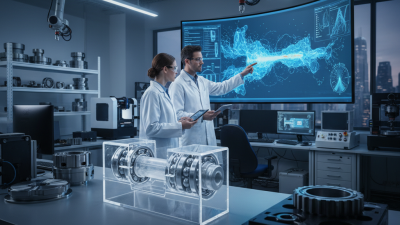
In the quest for optimal bearing performance, advanced simulation techniques have become essential. Designers can now model real-world conditions, minimizing unexpected failures. Accurate simulations enable engineers to test various materials and geometries without physical prototypes. This reduces costs and speeds up the design process significantly.
One emerging method is finite element analysis (FEA). With FEA, engineers can simulate stress distribution across different components. This technique highlights weak points in a design, prompting reevaluation. Not all simulations yield perfect outcomes. Sometimes, the results can lead to misguided optimizations. Iterative testing is crucial for refining designs.
Computational fluid dynamics (CFD) is another promising tool. By analyzing lubricant flow in bearings, designers can enhance efficiency. Understanding how lubrication affects wear is critical. Some simulations reveal unexpected interactions that need thoughtful analysis. Engaging in peer discussions can uncover insights that were overlooked. Each model can pave the way for improvements, but they also raise new questions about material choices and longevity.
How to Design Bearings for Optimal Performance in 2026?
| Design Parameter |
Optimal Value |
Simulation Technique |
Expected Performance Gain (%) |
| Material Selection |
High-Strength Steel |
Finite Element Analysis (FEA) |
15% |
| Load Rating |
12,000 N |
Computational Fluid Dynamics (CFD) |
10% |
| Bearing Clearance |
0.01 mm |
Dynamic Simulation |
20% |
| Lubrication Type |
Synthetic Oil |
Thermal Analysis |
12% |
| Sealing System |
Contact Seal |
Multibody Dynamics |
18% |
Testing and Validation Methods for High-Performance Bearings
In the realm of high-performance bearings, testing and validation are crucial. Engineers face numerous challenges in ensuring that bearings perform efficiently under various conditions. Recent industry reports indicate that 30% of bearing failures are linked to inadequate testing methods. This emphasizes the need for rigorous validation processes.
Tips: Conduct regular performance assessments. Use simulations to predict bearing behavior under stress. This approach can uncover design flaws early.
Different testing methods exist. Fatigue testing and thermal analysis are vital to understanding bearing resilience. Some companies still rely on outdated testing methods. This can lead to unexpected failures. A comprehensive approach to testing helps in identifying weaknesses in the design. Data trends show that modern testing can reduce warranty claims by 25%.
Tips: Always review past test data. Identifying patterns can guide future designs. Engage with your testing team for fresh insights.
Validation is not just routine; it's necessary. Each bearing design requires unique validation. Variations in materials and dimensions can cause differences in performance. Real-time testing could help recognize issues that static tests may overlook. Being adaptive in this field means constant learning and evolution.
Performance Comparison of Bearing Materials for 2026
This chart illustrates the load capacity in kilonewtons (kN) for various bearing materials projected for optimal performance in 2026. Steel bearings provide excellent load capacity but are outperformed by ceramics and hybrids, while plastic shows significantly lower capacity.
Future Trends Shaping the Evolution of Bearing Design and Application
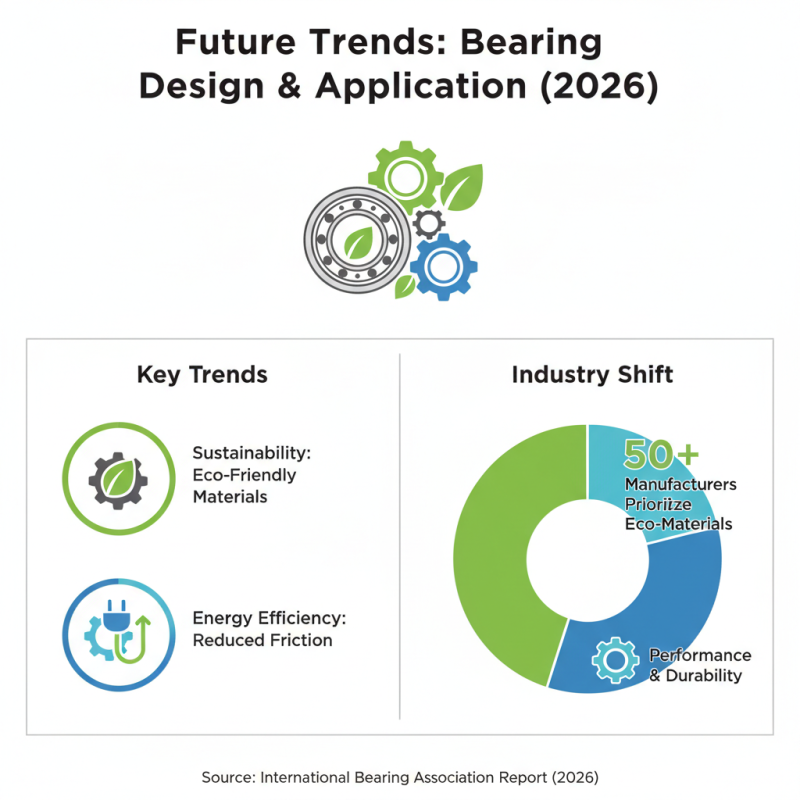
The design of bearings is evolving rapidly due to technological advancements. In 2026, trends indicate a strong emphasis on sustainability and energy efficiency. An industry report from the International Bearing Association highlights that over 50% of manufacturers are prioritizing eco-friendly materials. This shift aims to reduce environmental impact while maintaining performance.
Another significant trend is the integration of smart technology in bearings. IoT sensors can enhance monitoring capabilities. They provide real-time data on wear and performance. Studies show that predictive maintenance can reduce downtime by up to 30%. However, the challenge remains in ensuring these systems are robust enough for harsh environments.
Moreover, the demand for miniaturization is changing design approaches. Smaller, more efficient bearings are needed in compact applications. This push often compromises load capacity and durability. As engineers strive for smaller designs, balancing performance with reliability becomes crucial. The future may require iterative redesigns to meet these competing demands effectively.