10 Essential Tips for Choosing Industrial Turntable Bearings for Optimal Performance
In the dynamic landscape of industrial manufacturing, the performance and reliability of machinery hinge significantly on the quality of components such as
Industrial Turntable Bearings. With an anticipated growth rate of
5.7% in the global bearing market over the next five years, the selection of the right turntable bearing becomes increasingly critical for operational efficiency and machinery longevity.
According to a report by Research and Markets, the increasing demand for precision-engineered products is driving innovations in bearing technology, underscoring the importance of informed decision-making in their selection.
Experts emphasize that choosing the correct Industrial Turntable Bearing is fundamental to optimizing operational performance. As noted by Dr. John Thompson, a leading authority in bearing technology,
“The right bearing selection not only enhances productivity but also significantly reduces maintenance costs and downtime.”
His insights highlight the necessity for businesses to prioritize the selection process, ensuring that factors such as load capacity, material composition, and environmental conditions are thoroughly evaluated.
By adhering to essential tips in this guide, companies can ensure that they make informed choices that will enhance the overall efficacy of their machinery and sustain their competitive edge in the market.
Factors Influencing Load Capacity in Industrial Turntable Bearings
When selecting industrial turntable bearings, understanding the factors influencing load capacity is crucial for optimal performance. Load capacity is typically determined by several parameters, including bearing design, material quality, and lubrication types. According to a report from the International Journal of Advanced Manufacturing Technology, the right choice of bearing material can enhance load-bearing capacity by up to 40%, reducing the risk of premature wear and failure.
Another critical factor is the bearing’s geometry, which includes parameters such as pitch diameter and thickness. A study published in the Journal of Mechanical Engineering Science shows that specific geometric configurations can improve stress distribution, thereby increasing load capacity. The report indicates that a well-designed bearing can accommodate loads beyond its nominal rating, depending on the application specifics and operational conditions.
Additionally, environmental factors such as temperature and exposure to contaminants play a significant role in a bearing's load capacity. The American Society of Mechanical Engineers (ASME) suggests that choosing the right sealing solutions and materials that withstand extreme conditions can extend the bearing's life and load performance. Understanding these factors allows engineers to make informed decisions when selecting industrial turntable bearings, ensuring reliable and efficient machinery operation.
Understanding Material Composition for Enhanced Durability in Bearings
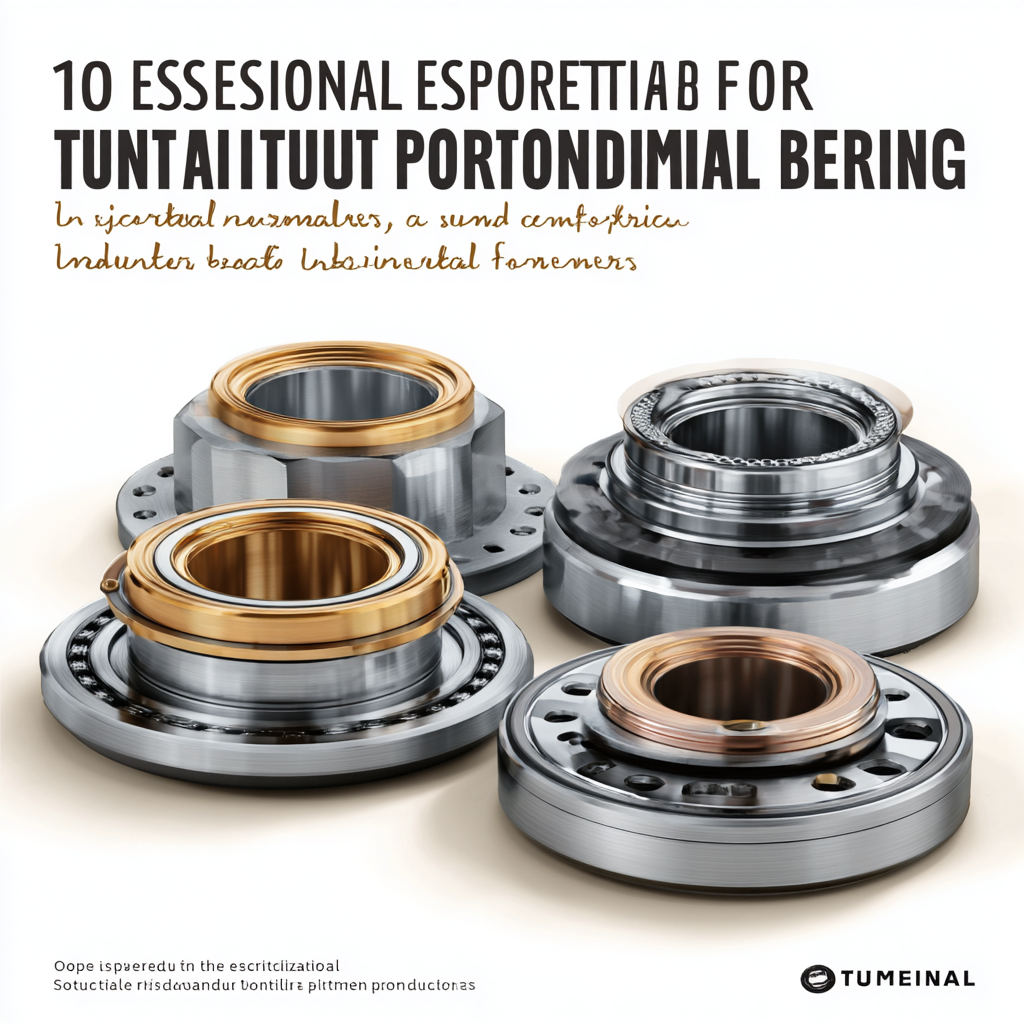 When selecting industrial turntable bearings, the material composition is a critical factor that directly influences their durability and performance. According to a report by the American Bearings Manufacturers Association, bearings made from high-grade steel alloys can enhance load capacity and fatigue resistance, crucial for applications subjected to heavy loads and continuous operation. For instance, bearings constructed from chrome steel (AISI 52100) typically exhibit excellent hardness and wear resistance, making them suitable for demanding environments.
Additionally, advancements in polymer-based materials have gained attention in the industry. A study from the International Journal of Engineering and Manufacturing highlighted that composite bearings made from thermoplastics offer lower friction coefficients and are resistant to corrosion and chemical wear. In applications where lubrication is challenging or where hygiene is paramount, these polymer bearings can significantly extend service life without compromising performance. Thus, understanding the implications of material composition not only aids in optimizing operational efficiency but also ensures the longevity of industrial turntable bearings in diverse environments.
Evaluating Rotational Speed and Its Impact on Bearing Performance
When selecting industrial turntable bearings, evaluating rotational speed is crucial for ensuring optimal performance. Bearings are designed to handle specific speeds, and exceeding these limits can lead to premature wear or even catastrophic failure. Understanding the relationship between rotational speed and bearing performance is essential for selecting the right bearing for your application. Manufacturers provide detailed specifications that outline the maximum and recommended speeds, helping engineers choose bearings that align with their operational requirements.
Additionally, the impact of rotational speed on lubrication and heat generation cannot be overlooked. As speed increases, so does the friction between bearing surfaces, leading to higher temperatures. Proper lubrication is vital to manage this heat and maintain performance. Selecting a bearing designed for higher speeds often requires advanced lubricants that can withstand the thermal and mechanical stresses present. Therefore, performing a comprehensive analysis of the operational environment and the specific speed requirements will aid in making informed decisions regarding bearing selection, ultimately enhancing reliability and efficiency in industrial applications.
The Role of Lubrication in Extending Lifespan of Turntable Bearings
Proper lubrication is critical when it comes to extending the lifespan of industrial turntable bearings. The primary function of lubrication is to reduce friction between moving parts, which can significantly decrease wear and tear over time. By creating a thin film between the bearing surfaces, lubrication prevents direct contact, allowing for smoother operation and minimizing damage caused by heat buildup. Selecting the right type of lubricant—whether it's grease or oil—depends on various factors, including the operating environment, load conditions, and speed of the turntable.
In addition to choosing the appropriate lubricant, maintaining a regular lubrication schedule plays a vital role in bearing longevity. It is essential to monitor the condition of the lubricant, as factors like contamination, temperature fluctuations, and operational stress can affect its effectiveness. Implementing a proactive maintenance routine not only ensures that the bearings operate efficiently but also helps identify potential issues early on, ultimately avoiding costly downtime and repairs. Prioritizing lubrication leads to improved performance and reliability of industrial turntable bearings, making it a key consideration for any organization aiming for optimal operation.
Common Failure Modes in Industrial Turntable Bearings to Avoid
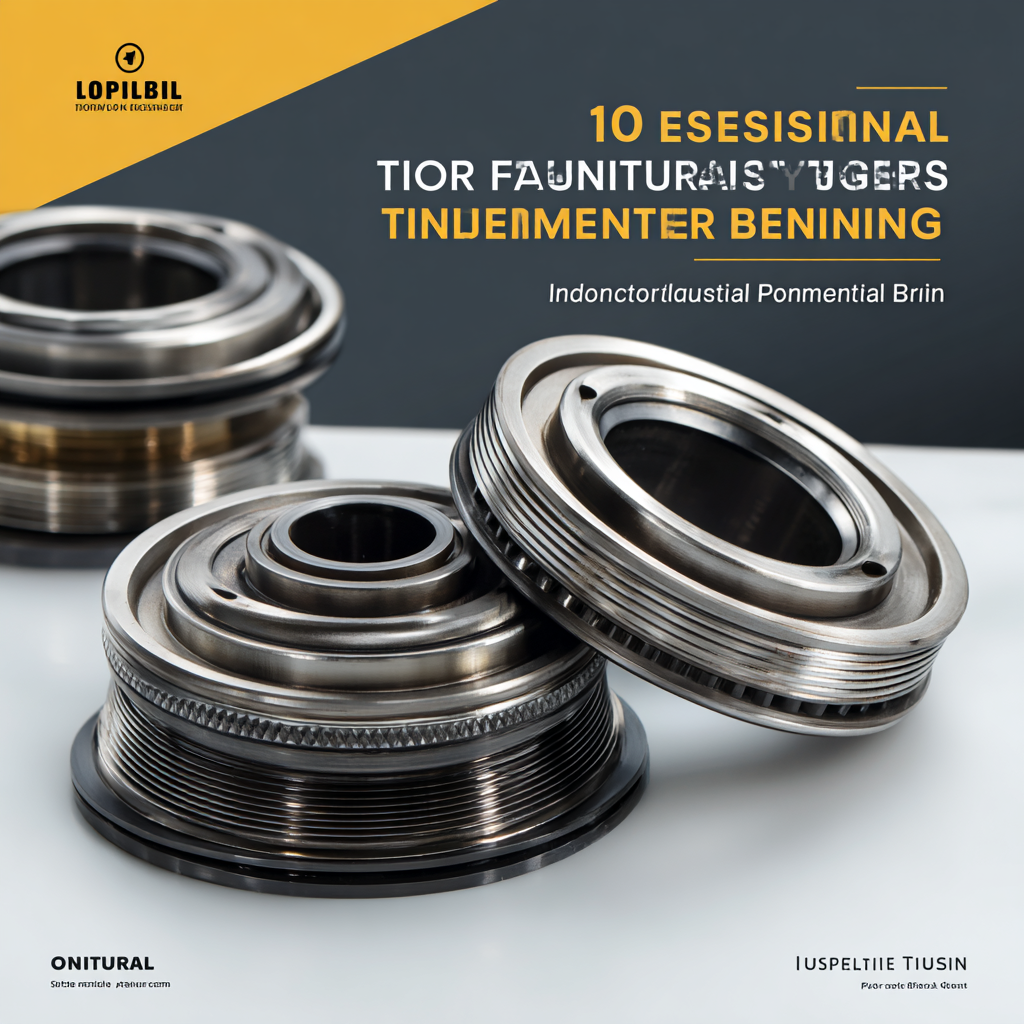 When selecting industrial turntable bearings, understanding common failure modes is crucial for ensuring optimal performance and longevity. One prevalent issue is inadequate lubrication, which can lead to increased friction and overheating. Over time, this causes wear and potential surface damage, ultimately resulting in bearing failure. Regular maintenance checks and proper lubrication techniques are essential to mitigate this risk.
Another common failure mode is misalignment. When bearings are not properly aligned, it can result in uneven load distribution, leading to premature deterioration of the bearing surfaces. Implementing precise installation practices and using alignment tools can help prevent such issues. Additionally, contamination from dirt, dust, or moisture can compromise the integrity of the bearings, causing corrosion and operational inefficiencies. Keeping bearings clean and protected in industrial environments is vital to extend their functional lifespan. By proactively addressing these failure modes, organizations can enhance the reliability and efficiency of their turntable systems.