10 Essential Tips for Choosing Steel Bearings Efficiently
Choosing the right steel bearings is crucial for many industries. According to a report by MarketsandMarkets, the global market for bearings is projected to reach $210 billion by 2025. This underscores the importance of making informed choices in bearing selection. Steel bearings are often preferred due to their strength and durability. However, not every steel bearing is the same.
In the pursuit of efficiency, it is vital to consider various factors. For instance, the load capacity, speed rating, and material quality can significantly affect the performance of steel bearings. A misstep in this process can lead to equipment failure, resulting in costly downtime. Over 30% of industrial failures are linked to bearing issues. Thus, careful selection is more important than ever.
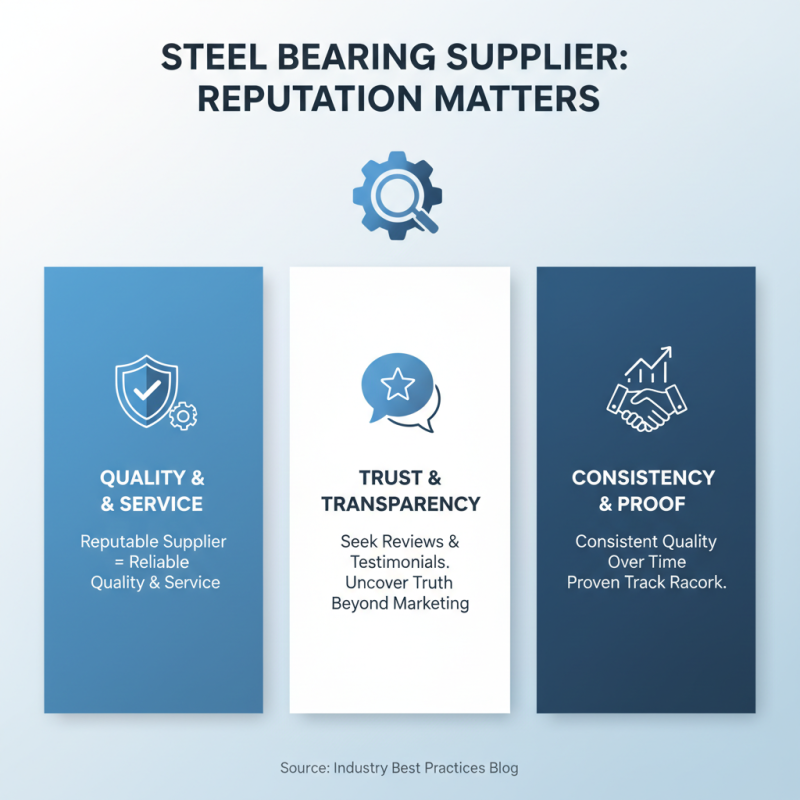
Additionally, understanding the specific application requirements will aid in making better choices. The intricacies of bearing design can seem daunting, but informed decisions can lead to enhanced productivity. Engaging with suppliers who have a proven track record helps to mitigate risks. In this complex landscape, reflection on past choices is key to future success with steel bearings.
Understanding the Importance of Selecting the Right Steel Bearings
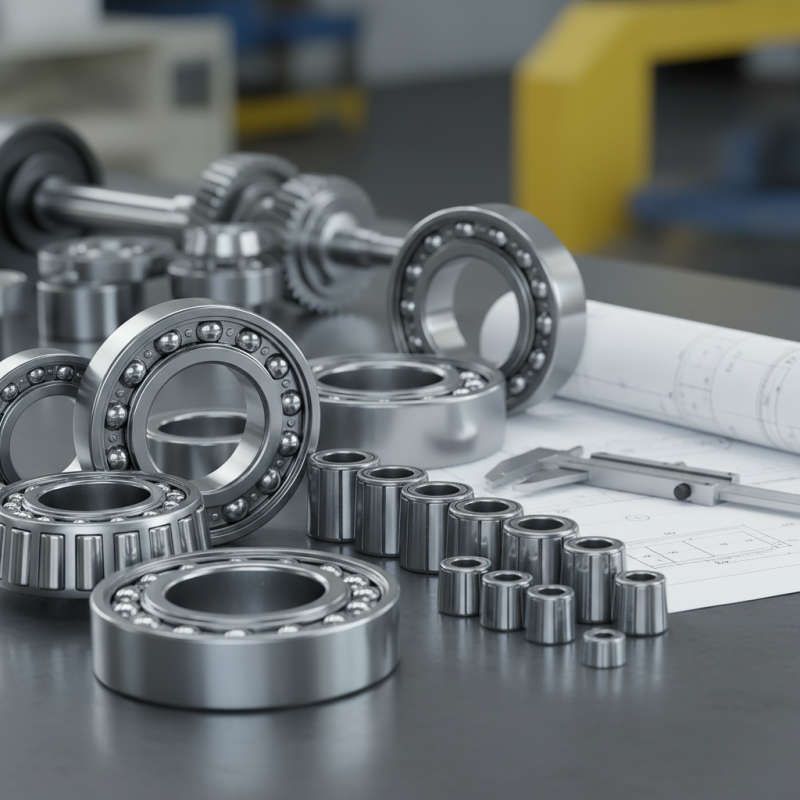
Choosing the right steel bearings is crucial for ensuring efficient machinery operation. According to a recent report by the International Bearing Association, approximately 40% of mechanical failures stem from bearing issues. These failures can cause significant downtime and repair costs. Thus, understanding the specifics of steel bearings becomes essential for any engineering project.
Material quality plays a vital role in bearing selection. High-quality steel can withstand higher loads and resist wear better than poorer alternatives. The right heat treatment process also enhances performance and lifespan. For example, improperly treated bearings may work well at first but can fail rapidly under stress, leading to unexpected maintenance issues.
Additionally, it’s important to consider lubrication. Proper lubrication can significantly influence a bearing's longevity and efficiency. According to industry data, well-lubricated bearings can last up to 30% longer. However, many companies overlook this aspect. They often underestimate how lubrication affects operational costs and lifespan. Balancing these factors is not straightforward, but it is necessary for optimal performance.
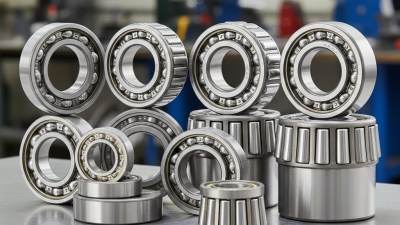
Comparison of Steel Bearing Types by Load Capacity
Key Factors to Consider When Choosing Steel Bearings
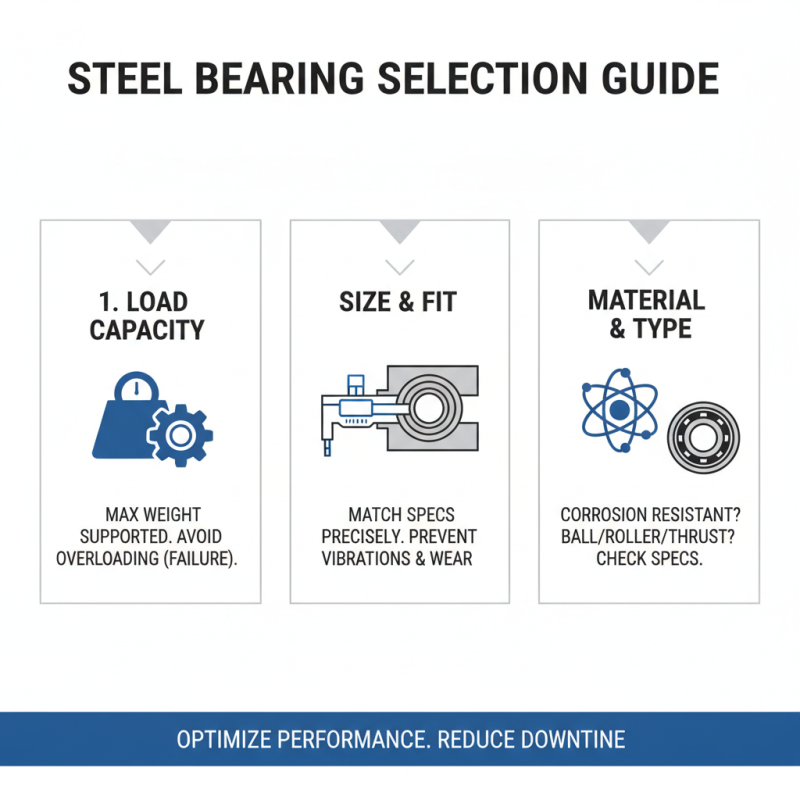
Choosing the right steel bearings can significantly impact performance. When selecting, consider load capacity. This relates to how much weight the bearing can support. Overloading can lead to premature failure. Check the bearing’s specifications to ensure it meets your needs. Size and fit are crucial as well. A mismatched bearing may cause vibrations and wear.
Material quality is another key factor. High-quality steel resists wear and corrosion. Look for bearings with proper coatings. These can enhance durability and performance. Don't overlook the lubrication type either. It affects friction and heat generation. Without proper lubrication, even the best bearings can fail early.
Pay attention to the operating environment. If conditions are harsh, choose bearings designed for extremes. Moisture, dust, and temperature fluctuations can shorten lifespan. Still, sometimes a perfect choice may not exist. Be prepared to compromise. This requires careful thought. Regular maintenance and monitoring remain vital for any system using steel bearings.
Evaluating Load Capacity and Performance Specifications
When evaluating load capacity, understanding the application's requirements is vital. Different applications demand different load capacities. A heavy machinery component requires more robust bearings than a small electronic device. Misjudging these needs can lead to premature failures. Often, engineers overlook subtle signs of overload. A slight miscalculation in weight can have serious consequences. Pain points arise when performance specs are not aligned with the intended use.
Performance specifications are equally crucial. Material properties play a pivotal role. High-strength steel bearings can endure more stress than standard ones. Each bearing type has unique characteristics. Consider critical factors, such as operating temperature and speed limits. However, this is where individuals may fall short. New engineers might underestimate how these specs impact longevity. It’s essential to analyze life cycles rather than rely solely on standard ratings.
Continually checking these details can help avoid costly mistakes. Don't ignore the manufacturer's guidelines, but also question their recommendations.
Material Considerations for Enhancing Bearing Longevity
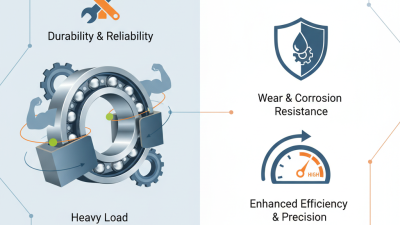
When selecting steel bearings, material choice is crucial for enhancing longevity. High-quality steel alloy can significantly resist wear and fatigue. Data shows that bearings made from high-carbon chromium steel last up to 30% longer than standard metal options. For maximum durability, consider heat-treated or coated bearings. These treatments improve hardness and corrosion resistance.
Tip: Look for bearings with a hardness rating of at least HRC 60. Soft materials will wear out quickly.
Quality also depends on lubrication. The right grease can reduce friction, crucial for reducing heat buildup. Inadequate lubrication may cut lifespan by half. Adding a constant supply of lubricant is essential.
Tip: Monitor lubricant levels regularly. Different applications may require specific grease types. Remember, even the best materials can't overcome poor maintenance practices.
Ultimately, selecting the right steel and paying attention to maintenance can yield significant performance benefits. Be proactive. A little vigilance can sometimes save from costly failures. Always consider reviewing documented performance reports for additional insight.