How to Properly Use a Bearing Lock for Optimal Performance?
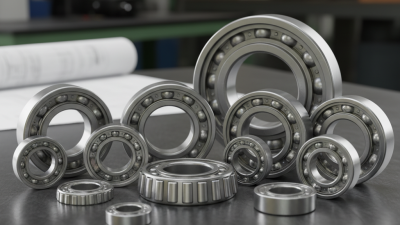
In the world of mechanical engineering, the proper use of a Bearing Lock is critical for ensuring optimal performance. According to a 2022 report by the International Journal of Mechanical Engineering, improper installation of Bearing Locks can lead to up to 30% decrease in equipment efficiency. Experts underscore that understanding the nuances of these components is vital. Renowned bearing specialist Dr. Emily Carter states, "A properly applied Bearing Lock can drastically extend the lifespan of machinery."
Bearing Locks play a crucial role in the stability of rotating equipment. They are designed to secure bearings onto shafts. When installed correctly, they prevent unwanted movement and vibration. However, many engineers overlook the precise torque specifications required for optimal performance. This oversight can lead to premature failures in systems. Dr. Carter emphasizes the importance of torque settings, noting, "Even the smallest miscalculation can result in costly repairs down the line."
The challenges in effectively using Bearing Locks reveal opportunities for improvement. Training and documentation are essential for engineers and technicians. The industry must continuously focus on best practices. Addressing these common pitfalls could enhance operational efficiency significantly. By prioritizing the right techniques and tools, organizations can ensure that their bearing applications function as intended.
Understanding Bearing Locks and Their Functionality
Bearing locks are crucial for maintaining the efficiency of rotating machinery. They secure the bearing within the housing, ensuring that it operates smoothly and effectively. Understanding how they function is vital for optimal performance. A well-fitted bearing lock prevents slippage, reducing wear and tear on both the bearing and the shaft.
Proper installation is key. If a bearing lock is not aligned correctly, it can cause misalignment and vibrations. These issues lead to increased stress on the components. Regular inspection of the locks is advisable. Look for signs of damage or wear, as these factors can compromise functionality. It’s often easy to overlook these components, yet they play a significant role in machine longevity.
Ignoring the importance of proper maintenance can be a costly mistake. Over time, contaminated lubricant may deteriorate the lock’s effectiveness. Understanding the specific requirements of your machinery is essential. Each application may demand different considerations. Take the time to reflect on your current practices and look for areas to improve.
Choosing the Right Bearing Lock for Your Application
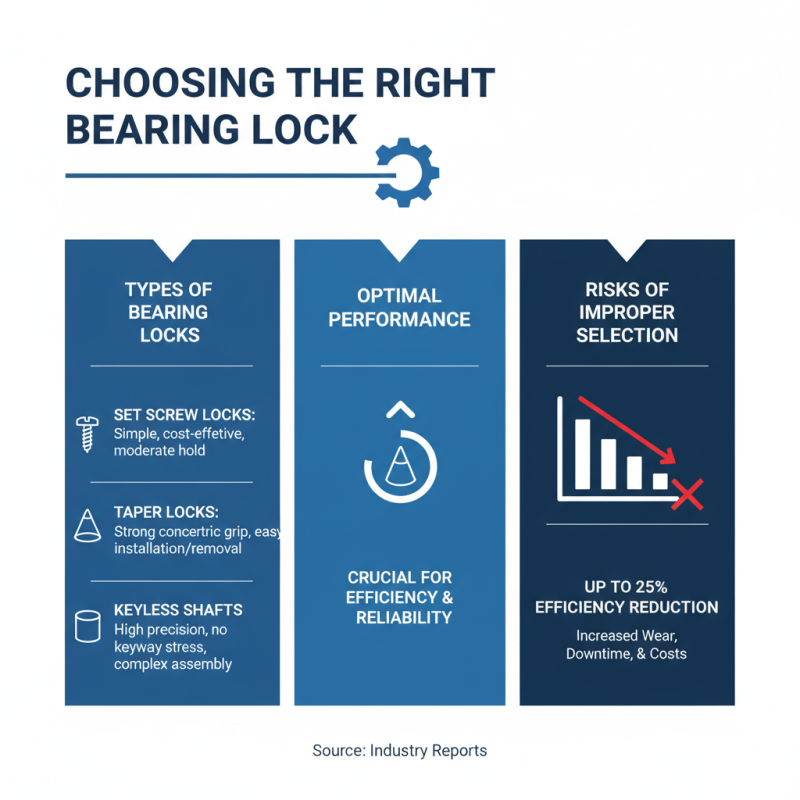
Choosing the right bearing lock is crucial for optimal performance in various applications. Different types exist, including set screw locks, taper locks, and keyless shafts. Each option has unique benefits and limitations. According to industry reports, improper selection can lead to up to 25% reduction in machinery efficiency.
When selecting a bearing lock, consider the load and speed conditions. For high-speed applications, keyless locks may provide better stability. In contrast, set screw locks are effective for stationary setups. Ensure compatibility with the shaft's diameter and material. Many engineers overlook this, leading to premature failure.
Tip: Always check torque specifications. An incorrect torque value can compromise the lock’s grip.
Additionally, materials matter. High-strength steel is often preferable for durability. Some applications, however, may benefit from lighter composites for weight-sensitive designs. Balancing strength and weight is a common challenge.
Tip: Conduct regular inspections. Signs of wear can indicate the need for replacement.
Bearing locks not only secure components but also enhance overall machinery reliability. Meaningful choices can significantly impact productivity and maintenance costs.
Step-by-Step Installation of Bearing Locks
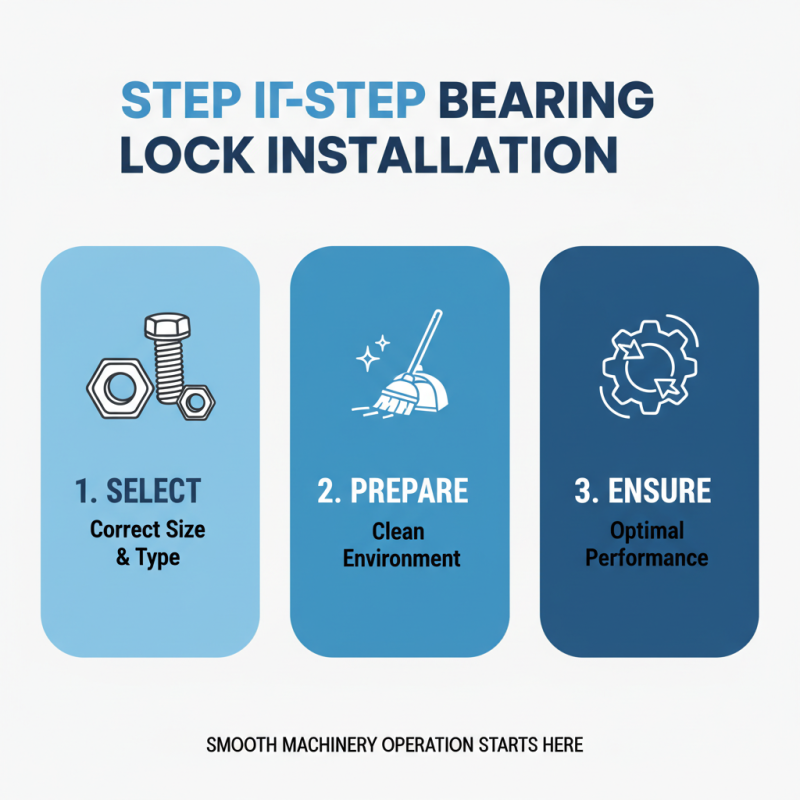
Installing a bearing lock correctly is crucial for smooth machinery operation. Begin by selecting the right size and type of bearing lock for your application. Ensure the working environment is clean and free of debris. This step can make a significant difference in the performance of the bearing lock.
Next, clean the shaft and bearing surface thoroughly. Use a lint-free cloth to remove any grease or dirt. If there is old lubrication, consider using a cleaning agent that is safe for your machinery. It's vital that these surfaces are free from contaminants to ensure a proper fit. When placing the bearing lock, ensure it’s centered and fits snugly against the bearing. Improper alignment can lead to premature wear and tear.
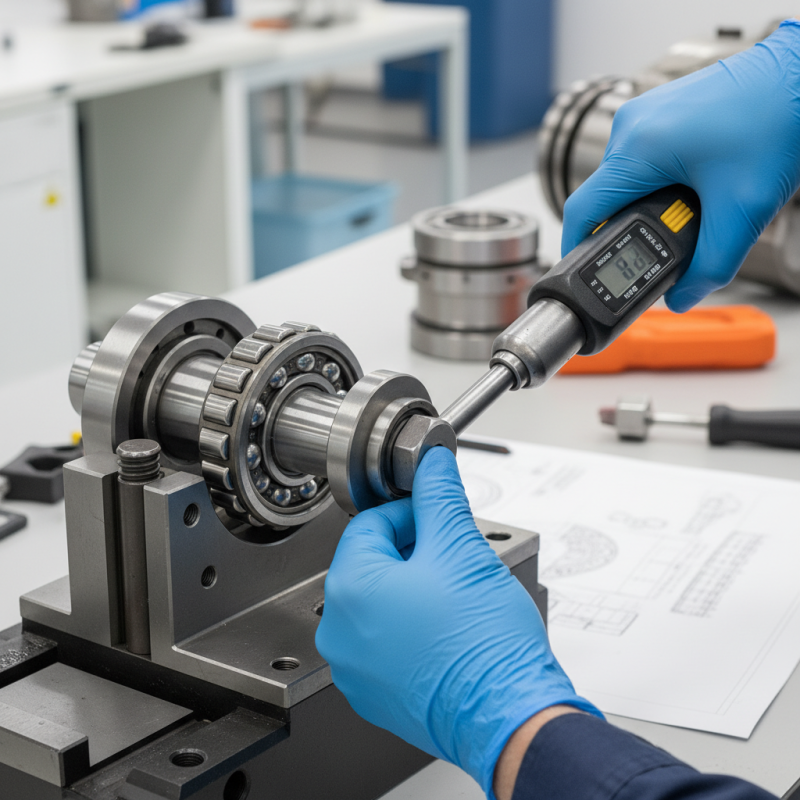
Finally, tighten the bearing lock using a torque wrench to avoid overtightening. This part can often be overlooked but is essential. If the lock is not secured properly, it may fail under pressure. After installation, rotate the bearing manually to check for any unusual resistance. Taking time to reflect on this process can help identify areas for improvement. Proper installation provides longevity and reliability to your machinery.
Maintaining Bearing Locks for Longevity and Performance
Maintaining bearing locks is crucial for their longevity and performance. Regular inspections help identify signs of wear or damage. According to a report by the American Society of Mechanical Engineers, proper maintenance can extend bearing life by up to 50%. This means less downtime and lower replacement costs.
Cleaning is essential. Even minor debris can hinder performance. Use non-corrosive cleaners and ensure no residue remains. Inadequate cleaning can lead to friction and reduce efficiency. Monitor lubrication levels, as proper lubrication ensures smoother operation. A study indicates that nearly 30% of bearing failures are due to insufficient lubrication.
Proper installation techniques also influence longevity. Misalignment can cause premature wear. In fact, misaligned bearings increase failure rates by 70%. Regularly checking alignment not only improves performance but also enhances the overall system reliability. Reflecting on these factors is vital for ensuring optimal performance in your operations.
Bearing Lock Performance Metrics
This bar chart illustrates the performance levels of bearing locks over different time periods, highlighting the importance of regular maintenance to enhance longevity and performance.
Common Issues and Troubleshooting Bearing Lock Problems
Bearing locks are essential for maintaining precision in various mechanical applications. However, issues can arise that impact their performance. Common problems include misalignment, inadequate preload, and overheating. These issues can lead to increased wear and potential failure if not addressed promptly.
One common fault is misalignment, where the bearing lock does not sit correctly on the shaft. A study by the American Society of Mechanical Engineers indicates that misalignment can reduce bearing life by up to 30%. Proper installation mechanics are critical to avoid this problem.
Tip: Always check alignment before securing the bearing lock. A simple laser alignment tool can enhance accuracy.
Another frequent issue is inadequate preload. Insufficient preload can cause vibration, which leads to premature wear. The Engineering Toolbox suggests maintaining proper preload to optimize the bearing lock's performance.
Tip: Regularly inspect preload settings during maintenance checks.
Overheating is also a prevalent concern. It typically occurs when friction increases during operation. Studies show a direct correlation between temperature spikes and early component failure. Keeping the operating temperature in check is vital for longevity.
Tip: Utilize heat sensors to monitor temperature during operation. Recognizing early signs of overheating can save costs down the line.
How to Properly Use a Bearing Lock for Optimal Performance? - Common Issues and Troubleshooting Bearing Lock Problems
| Issue |
Description |
Potential Causes |
Troubleshooting Steps |
Preventive Measures |
| Inadequate Locking |
Bearing does not secure properly in place. |
Incorrect installation or wear. |
Recheck installation and tighten locking mechanism. |
Regular inspection of installation and components. |
| Excessive Wear |
Bearing shows signs of wear too soon. |
Improper lubrication, misalignment. |
Lubricate properly and check alignment. |
Use quality lubricants and perform regular alignments. |
| Overheating |
Bearing operates at higher than normal temperatures. |
Insufficient lubrication, overloading. |
Check lubrication levels and reduce load if necessary. |
Ensure load limits are adhered to and lubrication is optimal. |
| Noise |
Unusual sounds coming from the bearing. |
Dirt ingress, damaged components. |
Inspect for debris and replace damaged parts. |
Maintain clean environments and regular maintenance schedules. |
| Vibration |
Excessive movement detected in the assembly. |
Misalignment or unbalanced loads. |
Realign components and check for balance. |
Regularly check balance and alignment during maintenance. |