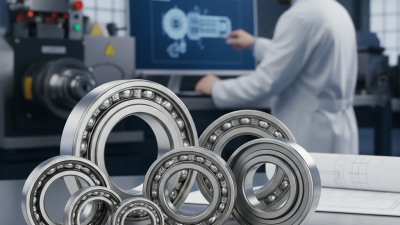
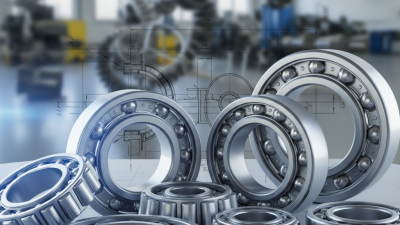
Why Are Radial Ball Bearings Essential for Machinery Performance?
Radial Ball Bearings are vital components in various machinery. They enable smooth rotation and reduce friction, leading to improved efficiency. In industrial applications, these bearings often bear heavy loads, which can challenge their durability.
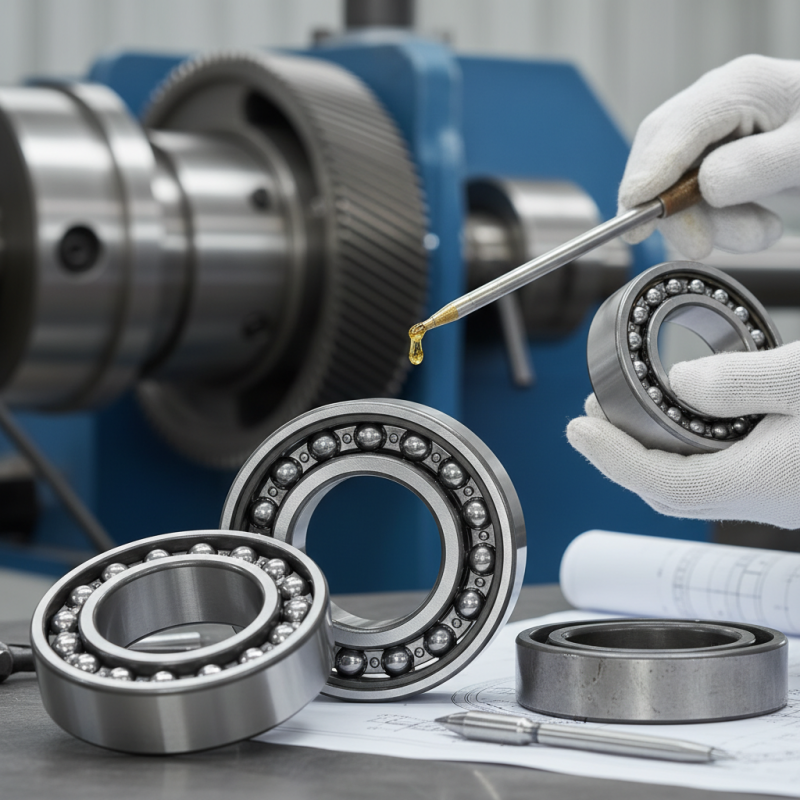
However, their performance is not always flawless. Factors such as misalignment or lubrication issues can lead to premature wear. Regular maintenance is crucial to ensure they function properly. Without proper care, Radial Ball Bearings may fail, causing costly downtimes.
In the world of machinery, they play a pivotal role. Machines rely on them for precision and reliability. Understanding their importance helps engineers design better systems. Emphasizing their role can lead to innovations in bearing technology. Optimization of Radial Ball Bearings may drive machinery performance to new heights.
The Functionality of Radial Ball Bearings in Machinery Operations
Radial ball bearings play a critical role in machinery operations. They support rotating shafts while minimizing friction. This functionality is essential for smooth and efficient performance. Without these bearings, machinery would struggle to operate smoothly. The process of rotation would generate excessive heat and wear, reducing lifespan and efficiency.
These components enable precise movements. They allow parts to rotate freely, which is crucial in many machines. Take construction equipment, for example. The heavy loads they carry require robust support systems. The radial ball bearings must be durable enough to keep up with the demands.
However, selecting the right bearing can be complicated. Sometimes, equipment owners underestimate load capacities. This could lead to premature failure. Regular maintenance and monitoring are key, but issues are often overlooked. When failures occur, they can halt operations unexpectedly, causing frustration. Understanding the mechanics behind these bearings is essential for improving machinery reliability and performance.
Key Performance Metrics Enhanced by Radial Ball Bearings
Radial ball bearings play a critical role in enhancing various performance metrics of machinery. They reduce friction, which is vital for energy efficiency. By allowing smooth rotation, these bearings minimize energy loss. This leads to quieter operations and improved performance. Machinery equipped with quality radial ball bearings typically experiences less vibration. Less vibration contributes to longer lifespan and reliability.
Reliability is another key metric influenced by radial ball bearings. When machines operate smoothly, wear and tear are minimized. This can significantly reduce maintenance costs. However, not all ball bearings perform equally. Selecting the right type based on machinery needs is essential. Over time, improper choices can lead to failure, compromising the entire system.
Temperatures are also a concern. High operating temperatures can affect bearing performance. Tapping into the appropriate materials can help combat this issue. Monitoring these factors helps improve overall machine efficiency. There's always room for improvement in bearing selection and maintenance practices. It’s crucial to reflect on these aspects regularly to ensure optimal performance.
Comparative Analysis of Radial Ball Bearings vs. Other Bearings
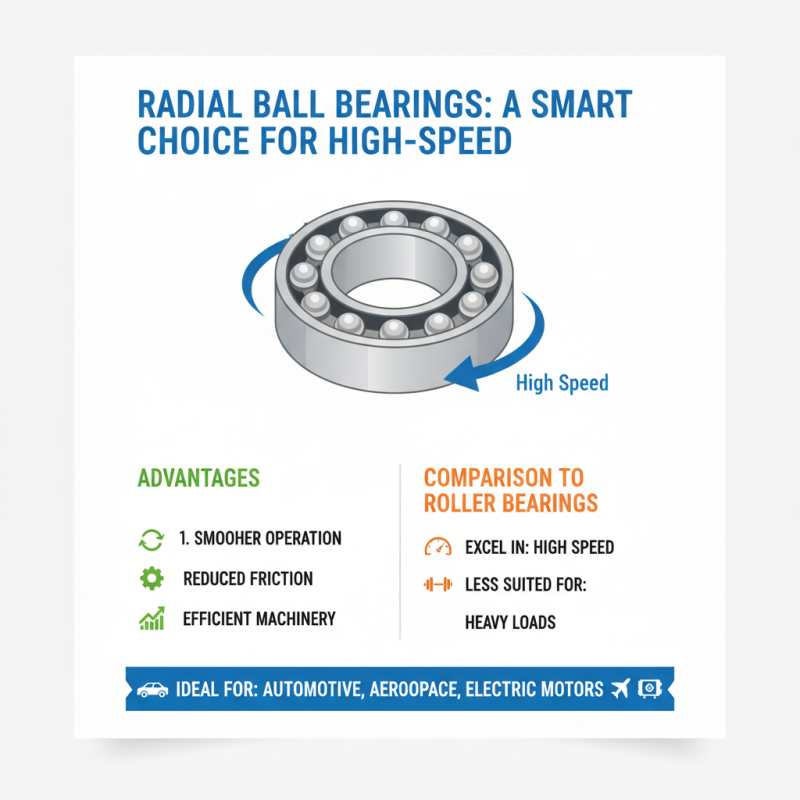
Radial ball bearings are favored in many uses, yet their performance can vary compared to other types. Unlike roller bearings, which handle heavy loads, radial ball bearings excel in high-speed applications. They offer a smoother operation due to their spherical shape. This design reduces friction, allowing machinery to run more efficiently.
However, it’s vital to consider specific scenarios. For instance, when conditions involve heavy loads or vibrations, other bearings may perform better. They can provide more stability under such pressure. Misjudging the requirements could lead to premature wear or even failure.
**Tip:** Regularly inspect bearing conditions. A small issue can lead to bigger problems later.
Choosing the right bearing isn't always straightforward. Factors like load type, speed, and environmental conditions matter. Radial ball bearings might wear down faster in dirty environments. Meanwhile, spherical roller bearings could withstand higher stress. Knowing the trade-offs is crucial for optimal performance.
**Tip:** When in doubt, consult manufacturers for guidance on specifications.
Impact of Radial Ball Bearings on Equipment Lifespan and Reliability
Radial ball bearings are crucial to machinery performance. They help reduce friction and support loads effectively. By doing so, they ensure smoother operations and enhance reliability. Without these bearings, machinery could experience more wear and tear over time. This would lead to unplanned downtimes and costly repairs.
The impact of radial ball bearings on equipment lifespan is significant. When bearings are properly maintained, they can last much longer. Regular inspections can identify early signs of wear. Addressing minor issues can prevent major failures.
Tips: Always check the lubrication levels. Insufficient lubrication can lead to overheating. Additionally, consider the alignment of the bearings. Misalignment can cause uneven wear and premature failure. Keeping a close eye on these factors ensures better reliability and longevity of your machines.
Why Are Radial Ball Bearings Essential for Machinery Performance?
| Bearing Type |
Load Capacity (lbs) |
Max RPM |
Material |
Expected Lifespan (hours) |
Maintenance Requirement |
| Single-Row Radial Bearing |
500 |
6000 |
Chrome Steel |
20,000 |
Low |
| Double-Row Radial Bearing |
800 |
4000 |
Stainless Steel |
15,000 |
Medium |
| Thrust Ball Bearing |
400 |
3000 |
Bronze |
18,000 |
High |
| Self-aligning Ball Bearing |
600 |
5000 |
Plastic |
22,000 |
Low |
Industry Applications Demonstrating the Importance of Radial Ball Bearings
Radial ball bearings play a crucial role in various industries, enhancing machinery performance. In manufacturing, for instance, these bearings support high-speed motors and conveyor systems. They reduce friction, allowing for smoother operations. A 2022 report indicated that equipment downtime can be reduced by up to 30% with proper bearing maintenance.
In automotive applications, radial ball bearings are vital for wheel assemblies. Their reliable performance ensures vehicles run efficiently. A study highlighted that the longevity of bearings directly impacts vehicle lifespan. With proper lubrication, these bearings can significantly increase the interval between maintenance checks.
**Tip:** Regularly inspect radial ball bearings for signs of wear to ensure optimal performance.
Despite their effectiveness, some industries still overlook maintenance. This oversight can lead to unexpected failures. Implementing a consistent maintenance schedule is essential. It can save costs in the long run and prevent costly repairs.
**Tip:** Keep a log of maintenance activities. This helps track performance trends and informs future needs.
Importance of Radial Ball Bearings in Various Industries