Top 10 Industrial Turntable Bearings for Global Buyers?
The industrial turntable bearing industry plays a crucial role in various sectors. According to Dr. Emily Carter, a leading expert in this field, “The reliability of industrial turntable bearings is vital for operational efficiency.” This highlights the importance of selecting the right bearing for specific applications.
In the competitive global market, understanding the different types of industrial turntable bearings can help buyers make informed decisions. These bearings are essential for machines that require high precision and stability. They support heavy loads while providing smooth rotation. However, not all bearings are created equal, and choosing the wrong one can lead to operational issues.
Buyers must consider various factors. These include load capacities, materials, and lubrication options. Testing and evaluating a product can mitigate risks. It is also important to consult industry experts to ensure the best fit for unique applications. With the right knowledge, buyers can navigate this complex landscape and find the perfect industrial turntable bearing for their needs.
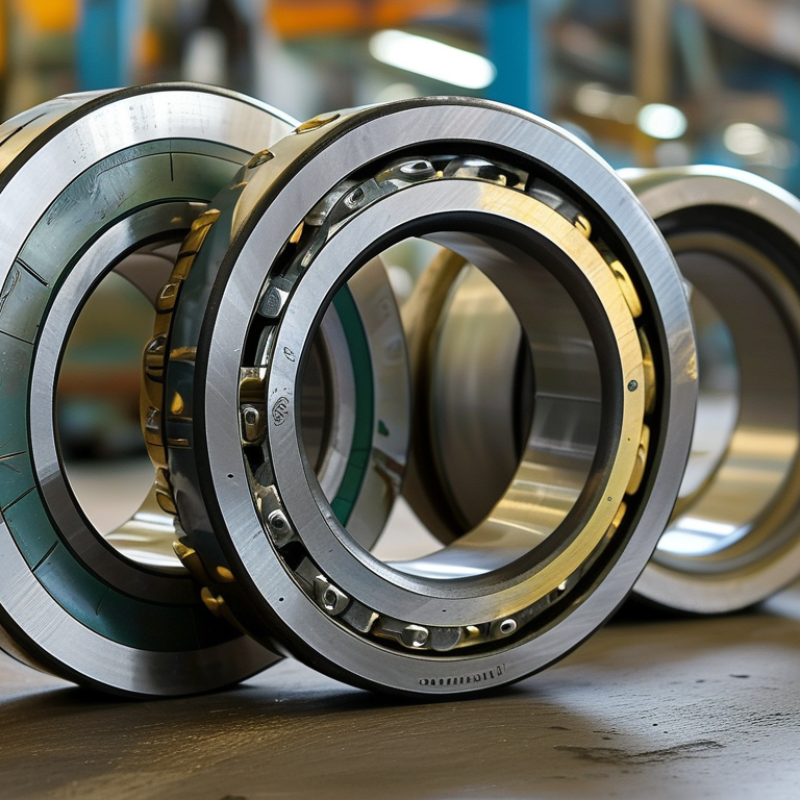
Top 10 Industrial Turntable Bearings Overview and Importance in Manufacturing
Industrial turntable bearings are crucial in various manufacturing applications. They allow moving parts to rotate with minimal friction. This function is essential for different machinery used in production lines, assembly units, and even in heavy-duty equipment. The efficiency of an operation can depend on the quality of these bearings.
Choosing the right bearing is about understanding specific needs. Factors such as load capacity, speed requirements, and environmental conditions play a significant role. A manufacturer might overlook these details, leading to poor performance and costly downtime. Moreover, the design of these bearings can vary widely. Some may focus on precision, while others prioritize durability.
In modern manufacturing, the correct choice of turntable bearings influences overall productivity. Decision-makers need to reflect on their options carefully. This involves not only examining technical specifications but also assessing long-term reliability. It's easy to make assumptions based on initial impressions, yet the intricacies of each bearing's design must be thoroughly understood to ensure optimal results.
Top 10 Industrial Turntable Bearings Overview
The chart above represents key performance metrics for the top 10 industrial turntable bearings, highlighting their load capacity, speed rating, durability, cost, and maintenance frequency. These factors are crucial for global manufacturers when selecting the appropriate bearings for their operations.
Key Technical Specifications to Consider When Selecting Turntable Bearings
When selecting industrial turntable bearings, technical specifications are crucial. Load capacity is one primary factor; it must align with your application demands. Consider dynamic and static load ratings. These ratings help in understanding how much weight the bearing can effortlessly support during movement and when stationary.
Another key aspect is the material used in the bearing construction. High-quality materials enhance durability and resistance to wear. Look for features such as corrosion resistance if exposed to harsh environments. The size and design of the bearing also matter. A larger diameter may offer stability, but it requires more space, which could be a limitation.
Finally, sealing mechanisms play an important role in maintaining performance. Proper seals prevent contamination and extend the bearing life. Bearing maintenance is often overlooked. Regular checks can help identify wear before it leads to failure. Understanding these specifications allows for informed decisions, yet many buyers still struggle with picking the right option. Taking the time to evaluate these factors can lead to better performance in the long run.
Global Market Trends and Demand for Industrial Turntable Bearings
The global market for industrial turntable bearings is evolving rapidly. Demand is rising across various sectors, including manufacturing and logistics. Innovations in technology drive this trend. Industries require high-performance bearings to enhance equipment efficiency. Many firms seek solutions that reduce downtime and improve productivity.
Sustainability is becoming a significant factor. Manufacturers are exploring eco-friendly materials and processes. There is a shift towards products that minimize environmental impact. This change reflects a growing awareness of corporate responsibility. Buyers are increasingly interested in suppliers with sustainable practices. However, the industry faces challenges like fluctuating raw material costs and supply chain disruptions.
As the market expands, buyers must stay informed. Understanding specific needs is crucial. Different applications require various bearing styles and specifications. Each sector has its unique demands. Balancing performance with cost can be tricky. It’s essential for companies to reflect on their choices and adapt to global trends. This approach ensures they remain competitive in a dynamic marketplace.
Leading Manufacturers and Their Innovations in Turntable Bearing Design
Turntable bearings play a crucial role in various industrial applications. They enable smooth rotation in machinery and support heavy loads. The competition among manufacturers has sparked innovative designs, enhancing performance and longevity.
Recent developments showcase advanced materials that reduce friction. These materials also allow for higher load capacities. Some manufacturers are integrating smart technology, which provides real-time performance data. This innovation helps in predictive maintenance, minimizing downtime. Furthermore, modular designs are gaining traction, allowing for easier customization.
Despite these advancements, challenges remain. Some designs struggle with wear resistance under extreme conditions. Others may not provide the suggested load ratings. It's essential for buyers to evaluate not just specifications, but real-world performance too. Engaging with manufacturers can provide deeper insights into their innovations. A thoughtful selection process can ensure that the right turntable bearing is chosen for specific needs.
Comparative Analysis of Performance Metrics in Industrial Turntable Bearings
When evaluating industrial turntable bearings, performance metrics are crucial. Key factors include load capacity, rotational speed, and service life. Each bearing type serves a specific purpose, affecting overall performance. Understanding these aspects is vital for making informed buying decisions.
Tips: Assess your project’s specific needs. Consider the environment where the bearing will operate. Dusty or wet conditions can influence durability.
Another variable to monitor is friction. Lower friction leads to improved efficiency. However, lower friction often compromises load-bearing capacity. This trade-off can be challenging. It may require further experimentation with different materials.
Tips: Keep an eye on maintenance practices. Regular checks can prolong bearing life. Adopting a proactive approach is often overlooked but can yield significant benefits.