Top 10 Bearing Tools Tips Every Buyer Should Know?
When it comes to selecting the right bearing tools, buyers face numerous challenges. Understanding these challenges is crucial. Knowledgeable choices can prevent costly mistakes. With a plethora of options available, how do you ensure you're making the right decision?
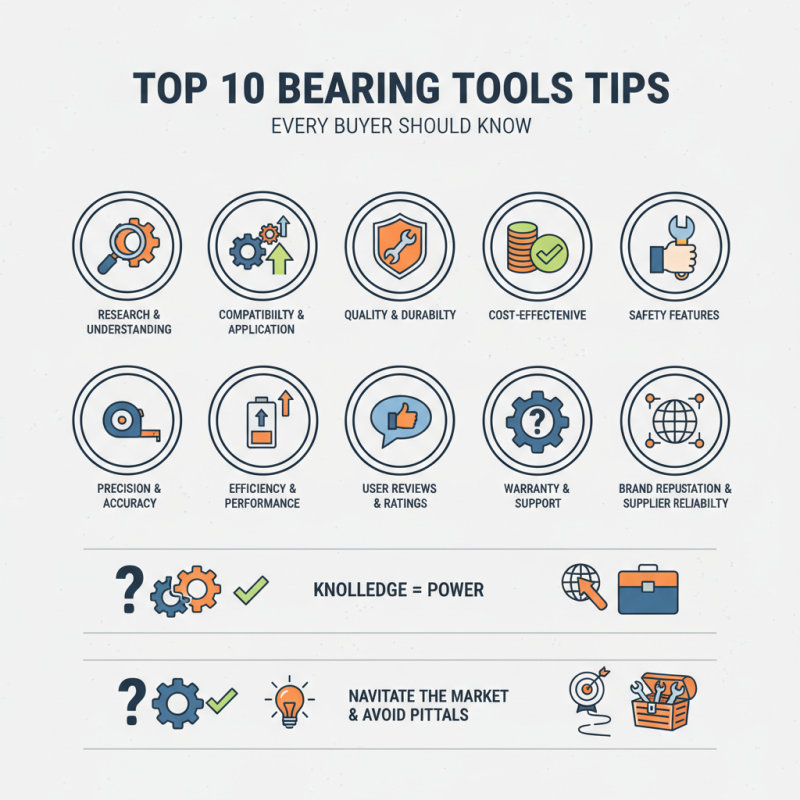
The importance of bearing tools cannot be overstated. They are essential for the smooth operation of machinery. However, selecting the wrong tool can lead to inefficiencies. It may also result in damage to valuable equipment. This guide highlights ten essential tips for buyers. Each tip is designed to build your awareness and confidence in selecting bearing tools.
In this rapidly changing market, staying informed is vital. Many tools are advertised with impressive claims. In reality, effectiveness may vary. By learning from experts and their experiences, you can navigate this complex landscape more effectively. Explore practical insights that will empower your purchasing decisions. Each tip will help you avoid common pitfalls and improve your overall expertise in bearing tools.
Understanding Bearing Types: A Key to Choosing the Right Tool
When choosing bearing tools, understanding the different bearing types is crucial. There are various types, such as ball bearings, roller bearings, and needle bearings. Each type serves specific purposes in different applications. According to the Global Bearing Market report, ball bearings hold a significant market share, accounting for over 40% of total sales in 2022. This highlights their widespread use and importance in machinery.
The selection of the right bearing type directly influences the efficiency and longevity of your tools. For example, ball bearings are known for their low friction and high-speed capabilities, making them ideal for rotating applications. On the other hand, roller bearings can support heavier loads due to their larger contact area. Misunderstanding these characteristics can lead to tool failure and costly downtime. It’s critical to align the bearing type with the intended application for optimal performance.
Additionally, the bearing's material matters. Steel is common, but ceramic bearings offer increased resistance to heat and corrosion. In fact, a study from the Journal of Materials Engineering indicates that ceramic bearings can last up to three times longer under certain conditions. This information is vital for buyers who seek reliability. Choosing the right bearing type and material requires careful consideration.
Essential Specifications: Load Ratings and Their Impact on Performance
When selecting bearing tools, understanding load ratings is crucial. Load ratings indicate the maximum weight a bearing can support. This directly affects its performance in various applications. A higher load rating typically allows for greater operational efficiency. However, it is essential to consider the balance between load and speed requirements.
Misjudging these specifications can lead to premature failure. Many users overlook the environment in which the bearings operate. For instance, temperature variations can alter load performance. Additionally, vibration and shock loads can affect reliability. It's important to account for these factors during selection.
Bear in mind that an overly high load rating can lead to unnecessary costs. Using an under-rated bearing risks operational downtime and replacements. Assessing all these parameters ensures you make informed choices. This keeps projects on track and within budget. Each application demands careful consideration of load ratings to optimize operational longevity.
Common Bearing Materials: Pros and Cons for Various Applications
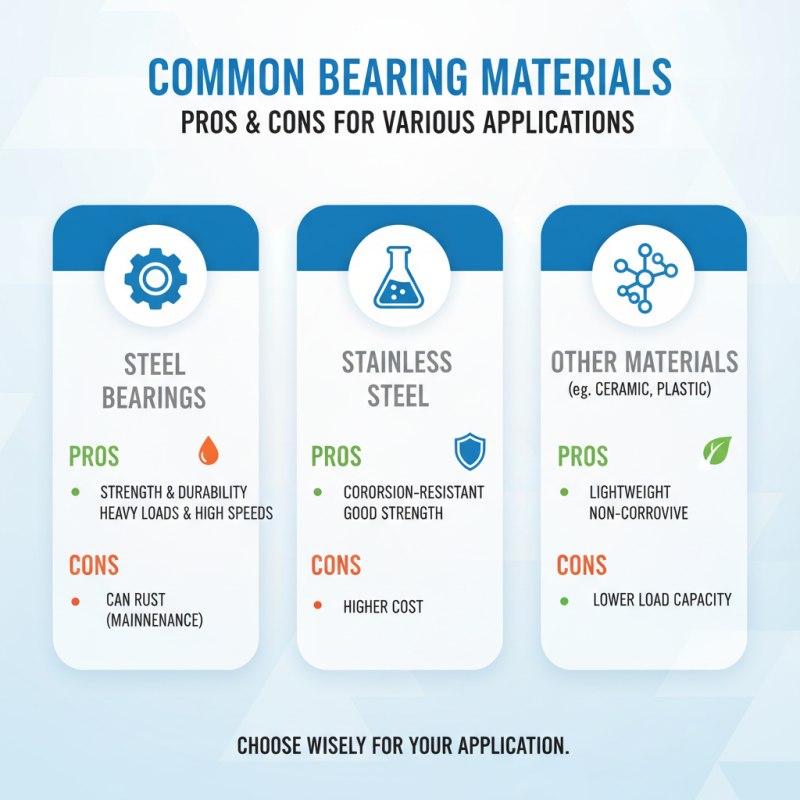
When choosing bearing materials for your application, it’s essential to understand their pros and cons. Steel bearings are widely used due to their strength and durability. They can handle heavy loads and high speeds, making them a popular choice. However, they can rust if not properly maintained. This is where stainless steel or other corrosion-resistant materials come into play.
Plastic bearings offer a lightweight alternative. They are resistant to corrosion and can operate in harsh environments. However, they may have lower load-bearing capacity compared to metal options. Users often overlook this aspect. Knowing what your application requires can prevent costly mistakes.
Tip: Always assess the environment. High moisture or extreme temperatures can affect performance. This means material selection is crucial. Consider consulting with experts to ensure you make the best choice for your application. Each material has unique properties that can significantly impact functionality, longevity, and overall success.
Maintenance Tips: Extending the Lifespan of Your Bearing Tools
Maintaining bearing tools is crucial for their longevity. Research shows that proper care can extend tool life by up to 30%. Regularly cleaning tools prevents debris buildup, which can lead to premature wear. Use a soft cloth to wipe down surfaces after each use. Avoid abrasive materials, as they can scratch and compromise tool integrity.
Lubrication plays a vital role in maintenance. According to industry reports, insufficient lubrication can decrease efficiency by 25%. Ensure that you select the correct lubricant for your specific tools. Apply it at recommended intervals to minimize friction and heat buildup. Monitor lubrication levels frequently, as neglect can lead to significant performance drops.
It's essential to store bearing tools correctly. Improper storage can expose them to moisture and contaminants. Ideally, store tools in a dry, organized space. Furthermore, routine inspections help identify signs of wear early. Catching issues early can save money and prevent tool failure. Consistency in maintenance habits defines longevity.
Budgeting for Quality: Cost vs. Performance in Bearing Tool Selection
When it comes to selecting bearing tools, cost and performance are often at odds. Industry surveys indicate that 45% of buyers prioritize low upfront costs over long-term performance. This can lead to significant operational issues down the line. For example, tools that save pennies today may result in increased maintenance costs and downtime.
Research shows that investing in quality bearing tools can improve efficiency by 20-30%. A reliable tool reduces failures and extends the lifespan of bearings. In contrast, subpar tools might lead to premature wear and costly repairs. Economic decisions should also account for hidden costs. For instance, having to replace cheaper tools frequently adds up over time.
Buyers should approach their selection cautiously. Understanding the balance between cost and performance can prevent future complications. In the end, quality isn't just an expense—it's an investment in reliability and productivity. Making informed choices can help avoid the pitfalls of opting for the lowest-priced options available.
Top 10 Bearing Tools Tips Every Buyer Should Know