Top 10 Agricultural Bearings Buyers Must Know About?
In the world of agriculture, choosing the right equipment is crucial. One important component is Agricultural Bearings. Experts like Dr. James Lawson, a renowned figure in bearing technology, emphasize, "The right bearings can make or break your machinery's efficiency."
Understanding the landscape of Agricultural Bearings is essential for buyers. These bearings must withstand harsh environments. They need to endure dust, moisture, and varying temperatures. Farmers rely on them for the smooth operation of their machinery, from tractors to harvesters.
However, many buyers are unaware of the factors that affect bearing selection. Not every bearing is suitable for every task. Reflecting on their choices can lead to better productivity. Buyers need to invest time in understanding their options. Selecting high-quality Agricultural Bearings can ultimately enhance their equipment's performance and longevity.
Understanding the Importance of Agricultural Bearings in Farming Operations
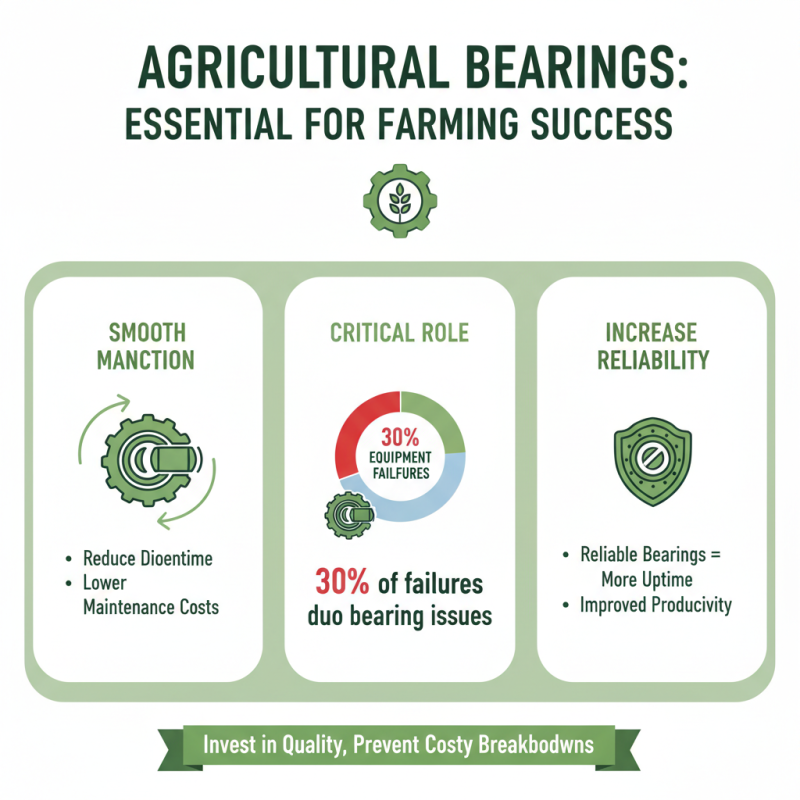
Agricultural bearings play a crucial role in farming operations. They ensure the smooth functioning of machinery, reducing downtime and maintenance costs. According to industry reports, around 30% of equipment failures in agriculture are due to bearing issues. This highlights the need for reliable bearings in agricultural machinery.
Selecting the right bearing can impact efficiency significantly. For instance, proper lubrication and fitting are essential. Misalignment or insufficient lubrication can lead to a 50% decrease in bearing lifespan. Farmers must understand the importance of these components to optimize their operations. Additionally, bearing failures can cause delays in harvesting and planting, impacting overall yield.
Investing in high-quality agricultural bearings may seem costly initially. However, the long-term savings on maintenance and downtime often outweigh the upfront expenses. Failure to prioritize these components can lead to a cycle of repairs and losses. Understanding the value of agricultural bearings is key for farmers looking to sustain productivity and efficiency in their operations.
Key Factors Influencing Agricultural Bearings Selection for Buyers
When selecting agricultural bearings, several key factors come into play. Buyers must consider load capacity and operational conditions. Bearings must handle the weight of heavy machinery and provide durability under environmental stress. According to a market report by ResearchAndMarkets, bearings used in agriculture need to withstand moisture, dust, and extreme temperatures. A failure in these components can lead to costly downtimes, impacting crop yields.
Another aspect is the type of lubrication required. Some bearings perform better with grease, while others need oil. The wrong choice can lead to overheating or premature wear. “Proper lubrication can extend the lifespan of bearings by up to 30%,” suggests data from the American Society of Agricultural and Biological Engineers. Agriculture often experiences harsh conditions, making careful selection vital.
Buyers should not overlook the importance of compatibility with existing machinery. Mismatched components can lead to inefficiencies, as noted in a survey by the International Organization for Standardization. Understanding the specifications of current equipment aids in making informed choices. More manufacturers are adopting smart technologies, yet proper evaluation remains crucial for lasting results.
Top 10 Agricultural Bearings: Key Factors Influencing Selection
Top 10 Agricultural Bearings Types: Characteristics and Applications
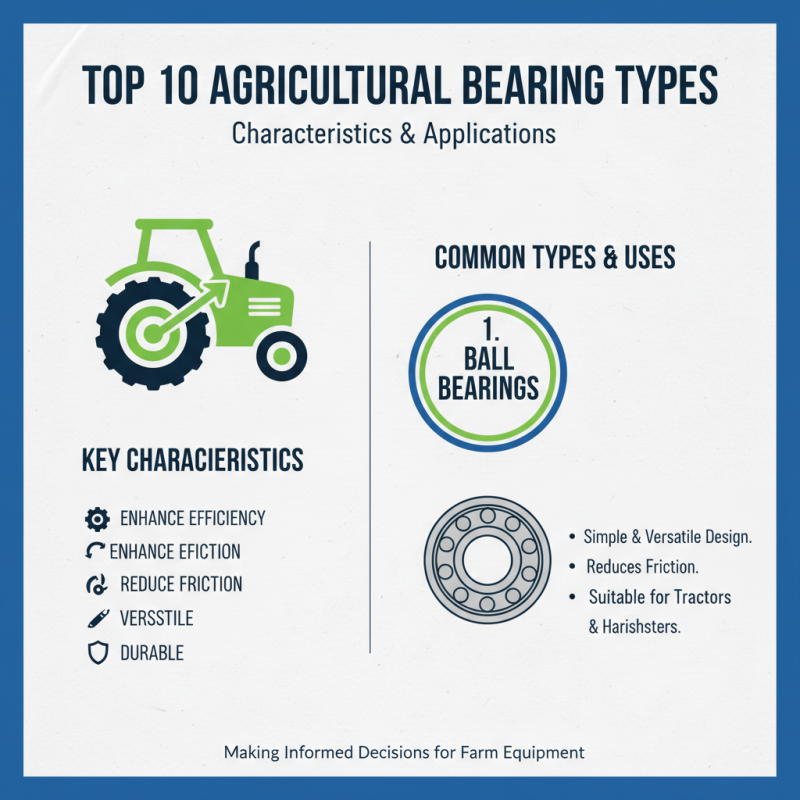
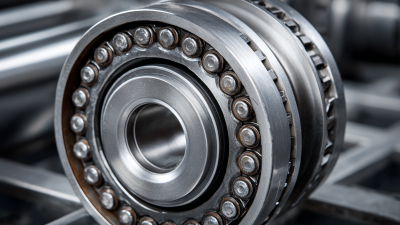
Agricultural bearings play a vital role in enhancing the efficiency of farming equipment. Understanding the different types can aid buyers in making informed decisions. Ball bearings are common due to their simplicity and versatility. They reduce friction between moving parts and are suitable for various applications in tractors and harvesters.
Roller bearings offer additional load capacity. They excel in heavy machinery, where durability is essential. Needle bearings, compact yet robust, are designed for limited spaces. These bearings handle high load conditions effectively. Thrust bearings are crucial in situations with axial loads, ensuring smooth rotation.
Purchasing decisions should consider the specific requirements of agricultural operations. Not all bearings are equal; some may require more maintenance. The choice of lubrication can impact lifespan. It's essential to weigh factors like cost, performance, and availability. Reflecting on these aspects may lead to better operational efficiency. Balancing technical specifications with real-world applications is key to successful farming.
Market Trends: Projected Growth Rate and Demand for Agricultural Bearings
The agricultural bearing market is seeing notable growth. Analysts project a steady increase in demand over the coming years. The rise in mechanization within the agricultural sector drives this trend. Farmers are investing more in advanced machinery, leading to a heightened need for reliable bearings.
Market trends indicate a significant shift towards durable and high-performance bearings. These components enhance efficiency and reduce downtime for farming equipment. Farmers are becoming more aware of the benefits that specific bearing types offer. This knowledge is crucial for making informed purchasing decisions.
Challenges remain in sourcing high-quality bearings. The market is flooded with options, which can overwhelm buyers. Not all bearings meet the rigorous demands of modern agriculture. Buyers should engage with knowledgeable suppliers who understand their specific needs. Understanding the application and the operating environment is essential for optimal performance. This knowledge will ensure that investment in agricultural bearings is a wise decision.
Best Practices for Maintaining Agricultural Bearings in Field Equipment
Maintaining agricultural bearings in field equipment is crucial for optimal performance. Regular inspections can catch small issues before they become major problems. Check for signs of wear or damage. Listen for unusual noises when equipment operates. These proactive steps can prevent downtime.
Lubrication plays a vital role in extending bearing life. Use the right type of lubricant, as it helps reduce friction and heat. However, over-lubrication can lead to contamination. Find the right balance by following manufacturer recommendations. Always observe the environment where the equipment operates. Dust and debris can affect lubricant quality, so consider additional protective measures.
Keep records of maintenance activities. It helps track bearing history and identifies patterns over time. Analyzing this data can reveal recurring issues. Through rigor and attention to detail, you can improve equipment reliability. It's also wise to engage with professionals who understand agricultural machinery. Their insights can guide better maintenance strategies, ensuring your operations run smoothly.