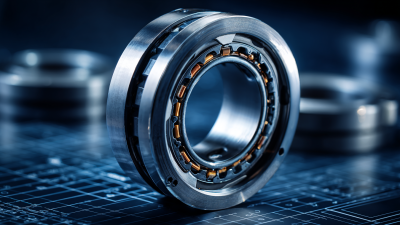
Top Angular Bearing Types for Global Buyers in 2026?
In the rapidly evolving industrial landscape, Angular Bearings have become essential components in various applications. These versatile bearings offer improved precision and load capacity, making them a preferred choice for manufacturers around the world. As we look ahead to 2026, understanding the types of Angular Bearings available will help global buyers make informed decisions.
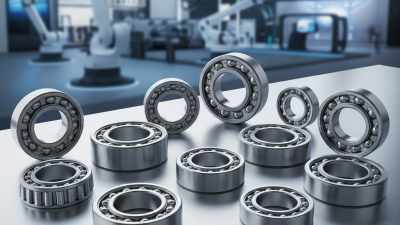
Different Angular Bearing types cater to unique requirements. The designs vary widely, each aiming to enhance performance and reliability. Some bearings are optimized for high-speed applications, while others focus on heavy-load environments. The diversity can be overwhelming, but manufacturers have their specialties. It's essential to choose the right type for specific needs, considering factors like durability and operating conditions.
Despite the advancements, not all Angular Bearings are created equal. Challenges like sourcing high-quality materials and ensuring precision in manufacturing exist. Buyers must approach the market with caution. Knowledge is power, and understanding these nuances can lead to better investment decisions. In the complex arena of Angular Bearings, informed choices will ultimately drive success.
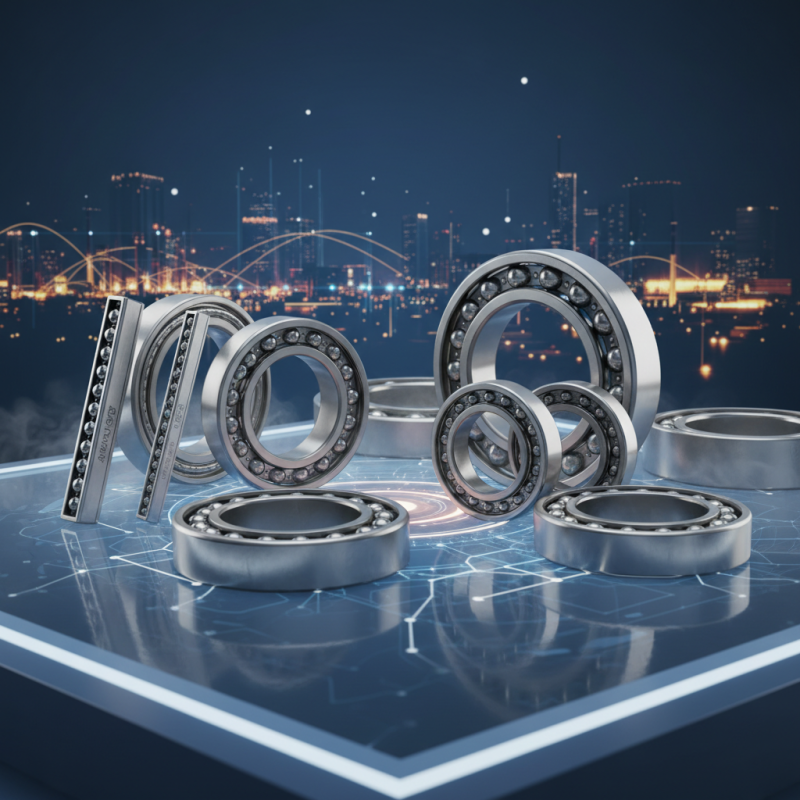
Top Angular Bearing Types for Global Buyers in 2026
In 2026, angular bearings are essential for various industries. Their design allows for high-load handling. Understanding the types and features available is crucial for global buyers.
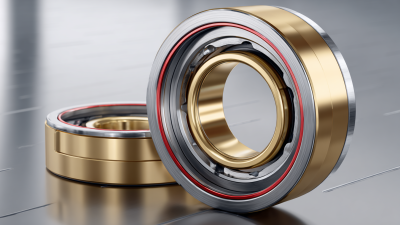
Consider the double row angular contact bearing. It offers higher radial load capacity. These bearings support axial loads in both directions. This can be beneficial for machinery with complex movements.
Furthermore, the tapered roller bearing is also gaining traction. Its ability to handle heavy loads makes it desirable. However, users must ensure proper alignment during installation, or they may face premature wear.
Buyers should also note the rise of ceramic bearings. They excel in extreme conditions. Their lightweight nature and corrosion resistance provide advantages in many applications. Yet, they tend to be more fragile than steel options. This may create concerns during handling. Each option has strengths and potential weaknesses. The right choice depends on specific applications and conditions.
Leading Angular Bearing Manufacturers and Their Innovations for 2026
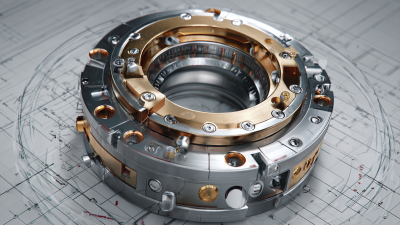
As the market evolves, angular bearing manufacturers are making significant strides. Innovations in materials and designs are at the forefront of these advancements. Many modern bearings use ceramic or hybrid materials for improved performance and durability. These materials enhance wear resistance and reduce friction, which is vital for high-speed applications.
In 2026, technology-driven designs may incorporate smart sensors. These sensors monitor performance metrics in real-time. Indicators could help predict maintenance needs, thereby preventing machine failures. This proactive approach fosters reliability and extends the lifespan of machinery. However, integrating such technology can be a challenge. Manufacturers must ensure compatibility with existing systems.
Sustainability is also a critical focus. Many manufacturers aim to reduce their environmental impact. Techniques to minimize waste and energy consumption are becoming common. Yet, achieving a balance between innovation and sustainable practices can be complex. Buyers should remain informed about these trends to make the best choices.
Key Materials Used in Angular Bearings and Their Impact on Performance
Angular bearings play a crucial role in various machinery applications. Their design allows them to handle combined loads effectively. The materials used in these bearings can significantly affect their performance and longevity.
Steel is the most common material in angular bearings. Its hardness provides strength, but it's prone to rust. This limitation can lead to failures in moist environments. For high-performance needs, ceramic materials are often preferred. Ceramics resist corrosion and wear, extending service life. However, their initial cost can be prohibitive for some buyers.
Another key material is plastic. It is lightweight and resistant to chemicals. But its load-bearing capacity is limited compared to metal alternatives. Using composite materials can enhance strength while reducing weight. This option provides better performance in various applications. Buyers must carefully consider the trade-offs between material types. Each choice impacts efficiency and operational costs significantly.
Regional Insights: Angular Bearing Markets in North America and Asia
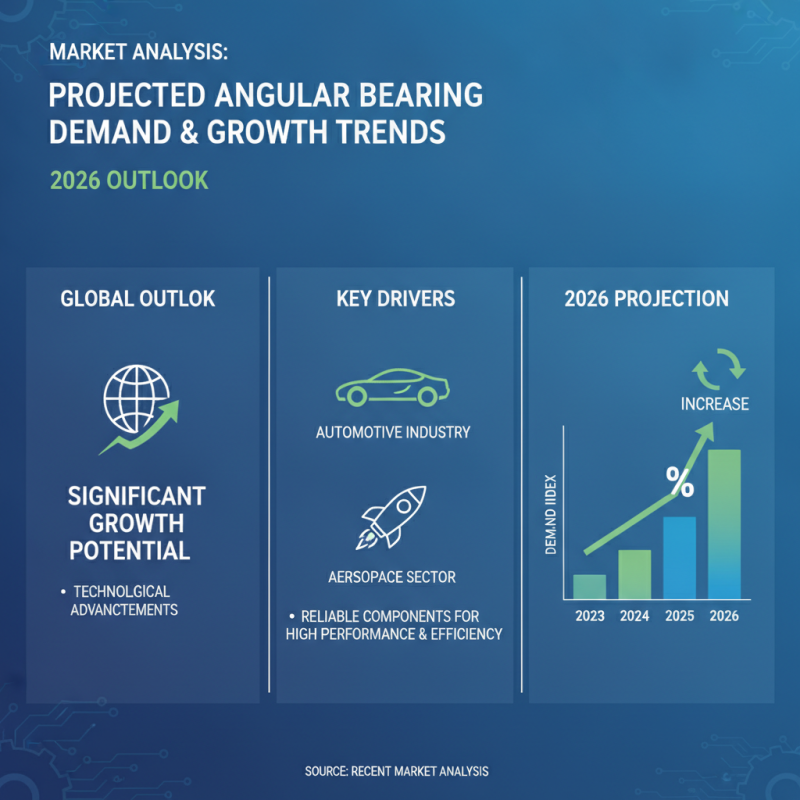
The angular bearing market is witnessing notable growth in North America and Asia, driven by increasing industrial activities. According to a recent market report, the global angular bearing market is expected to reach USD 15 billion by 2026, with North America holding a significant market share. This region benefits from advanced manufacturing technologies and a strong automotive sector. In fact, studies show that nearly 30% of angular bearings are utilized in automotive applications throughout this region.
Asia, on the other hand, is emerging rapidly in the angular bearing landscape. With countries like China and India expanding their industrial bases, the demand for angular bearings is increasing. A report highlighted that Asia alone contributes over 40% of the global demand for angular bearings. However, challenges exist, such as fluctuating raw material prices and evolving compliance standards. Both regions must adapt to these market dynamics to optimize supply chains effectively. Innovations in bearing design and manufacturing processes are essential for meeting future needs.
Conclusion
The article titled "Top Angular Bearing Types for Global Buyers in 2026" provides a comprehensive overview of the anticipated developments in the angular bearing market. It highlights projected demand and growth trends, emphasizing the increasing reliance on high-performance angular bearings across various industries. The article also delves into the leading manufacturers' innovations that are set to shape the market landscape in 2026.
Additionally, the piece examines key materials used in angular bearings, discussing their impact on performance and longevity. Regional insights reveal the distinct dynamics of the angular bearing markets in North America and Asia, offering valuable perspectives for global buyers. Finally, the article addresses sustainability trends and eco-friendly solutions emerging in the angular bearings industry, underscoring the growing importance of environmentally conscious practices in manufacturing and design.