Top 10 Automotive Bearings That Improve Performance and Longevity?
The automotive industry is evolving rapidly, with demands for better efficiency and durability. Automotive Bearings play a crucial role in enhancing vehicle performance. According to a report by TechNavio, the global automotive bearings market is expected to expand at a CAGR of 5% between 2021 and 2025. This growth underscores the importance of high-quality bearings in modern vehicles.
Expert insights further affirm this trend. Dr. Emily Carter, a leading figure in automotive engineering, has stated, "The right bearings can dramatically influence a vehicle's lifecycle and performance." Choosing the best automotive bearings can lead to longer-lasting vehicles and improved fuel efficiency.
However, not all bearings are created equal. Consumers often overlook the balance between cost and quality. This oversight can lead to premature wear and tear, negatively impacting vehicle functionality. Understanding the specific needs of each vehicle and selecting the right bearings is essential. In this context, exploring the top automotive bearings that enhance performance becomes increasingly significant.
Types of Automotive Bearings and Their Functions
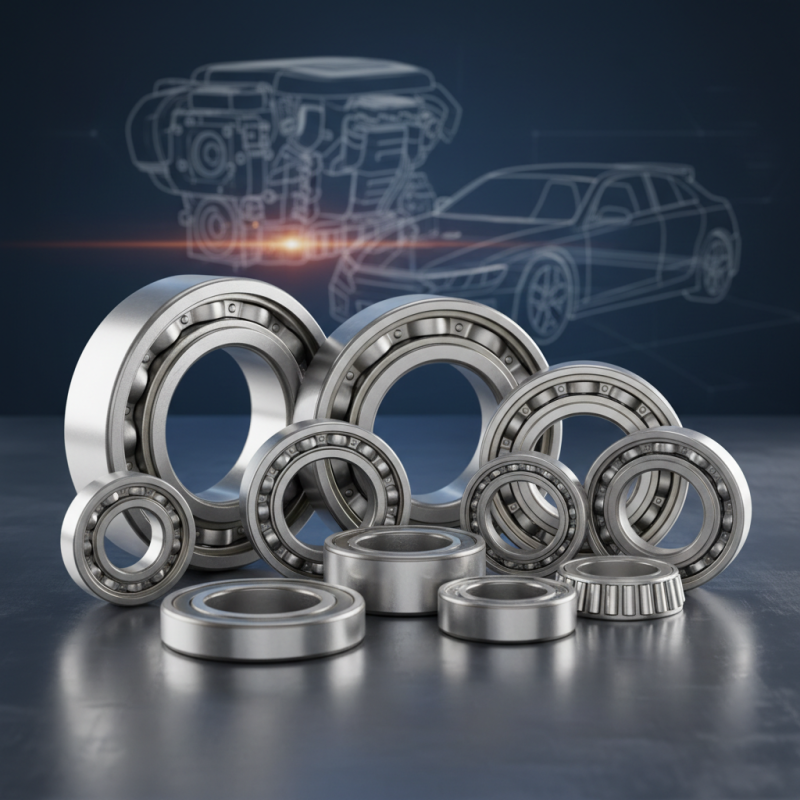
Automotive bearings play a crucial role in the performance and longevity of vehicles. These components reduce friction between moving parts, enabling smooth operation.
Common types include ball bearings, roller bearings, and needle bearings. Each type has its specific function, tailored for different applications.
Ball bearings often support high-speed operations, while roller bearings handle heavier loads.
A key aspect to consider is the material used in these bearings. Steel and ceramic are popular choices, each offering distinct advantages.
Steel bearings are durable but can suffer from corrosion. The ceramic option is lightweight and resistant to wear, but may be more fragile.
Choosing the right type and material is essential for optimal performance.
Even with the best automotive bearings, issues can arise. Improper installation can lead to premature failure. Regular maintenance is necessary to ensure these bearings operate correctly.
Addressing minor problems early can prevent major repairs later.
Understanding the types and functions of automotive bearings can help improve performance and extend the life of a vehicle.
Key Features of High-Performance Automotive Bearings
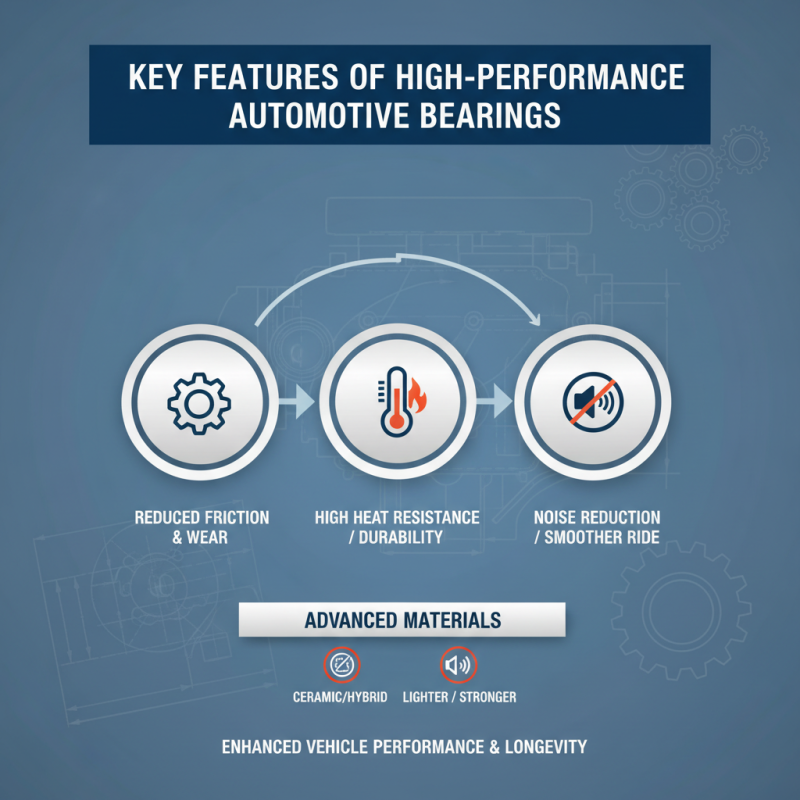
Automotive bearings are crucial for enhancing vehicle performance and longevity. They play a vital role in reducing friction and supporting various moving parts, such as wheels and engines. High-performance bearings often feature advanced materials, such as ceramic or hybrid constructions. These materials provide greater resistance to wear and high temperatures. Additionally, they can significantly decrease noise levels during operation, contributing to a smoother ride.
Another highlight is the precision engineering involved. High-quality bearings are designed for tighter tolerances, promoting better fit and alignment. This results in less vibration and improved handling. Furthermore, many modern bearings incorporate advanced lubrication systems. These systems ensure consistent oil distribution, reducing the likelihood of overheating. However, not every vehicle utilizes the best bearings available. Some may overlook this aspect, leading to premature wear and increased maintenance costs.
Inspection and proper installation are equally important. Even the highest-quality bearings can fail if not appropriately handled. Mechanics should pay attention to cleanliness during installation to ensure longevity. Regular checks can help detect issues early. However, this often goes unnoticed. It’s essential to consider these factors when striving for optimal performance in automotive applications.
Top Brands in the Automotive Bearing Industry
When it comes to automotive bearings, various brands dominate the market. These brands focus on quality, performance, and longevity. Their innovations often lead to noticeable improvements in vehicles. The performance of a car can heavily depend on the bearings used. For many drivers, this is not a priority, but it should be.
Top brands use advanced materials for their bearings. This enhances durability and reliability under pressure. Many of these bearings feature precise engineering, reducing friction and contributing to smoother rides. However, not all drivers understand the importance of bearing selection. Some might overlook the details in favor of cost.
Longevity in automotive components is crucial. Quality bearings can withstand harsh conditions. They endure heat, dirt, and heavy loads. Yet, choosing the right part is often challenging. Drivers must consider compatibility with their vehicles. Sometimes, the most popular options might not be the best fit. It’s essential to evaluate the specific needs of your vehicle before making a decision.
Tips for Choosing the Right Bearing for Your Vehicle
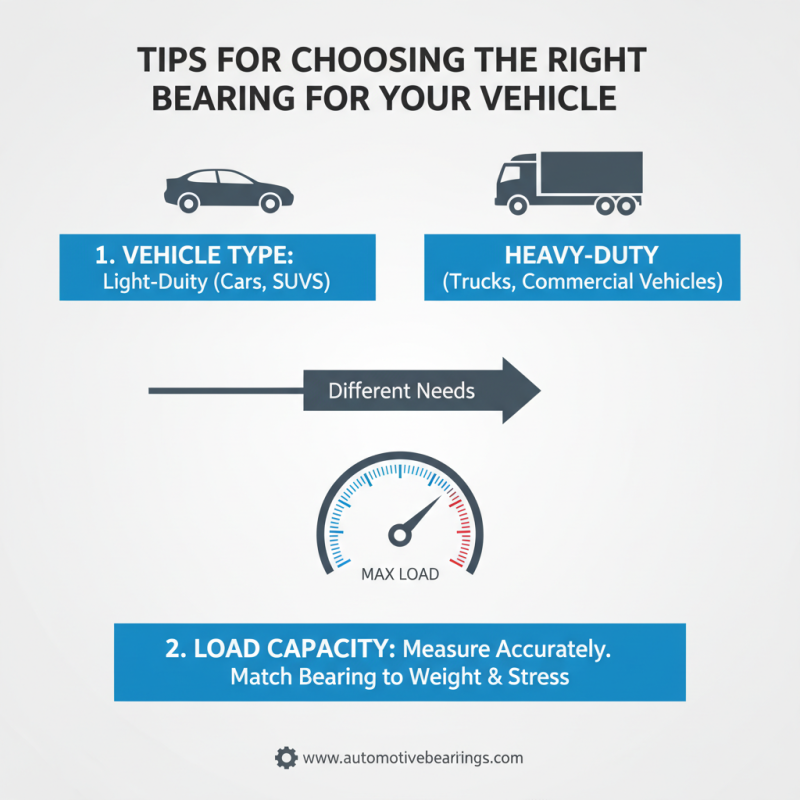
Choosing the right automotive bearing for your vehicle can be daunting. Consider the type of vehicle you own. Different applications require different bearings. Light-duty vehicles have different needs compared to heavy-duty trucks. Measure the load capacity accurately. This ensures the bearing can handle the weight and stress.
Material matters too. Bearings made from high-quality steel tend to last longer. However, some might prefer ceramic options. They can be lighter and resist heat better. Think about the environment where you drive. Off-road conditions demand sturdier bearings compared to smooth highways. They face more dirt, mud, and wear.
Don’t forget about installation. A poorly fitted bearing can lead to premature failure. It’s important to assess your mechanical skills. Sometimes, professionals should handle it. Regular maintenance checks are vital. This way, you can prevent bigger issues down the road. Small problems can escalate quickly if overlooked. Always pay attention to unusual noises or vibrations.
Impact of Quality Bearings on Vehicle Longevity and Efficiency
Quality automotive bearings play a vital role in vehicle performance and longevity. According to a report from the American Society of Mechanical Engineers, high-quality bearings can reduce friction by as much as 30%. This reduction significantly boosts fuel efficiency. When bearings are well-made, they withstand higher loads without failing. This means fewer replacements and repairs over time.
The impact on longevity is noteworthy. A study by the Society of Automotive Engineers found that vehicles with superior quality bearings tend to last 15% longer than those with standard parts. However, this doesn't mean every driver is aware of the importance of these components. Many ignore signs of wear and tear, leading to expensive problems later. Regular inspections become crucial to prevent early failures.
Additionally, improper lubrication can diminish the advantages of quality bearings. Research indicates that inadequate lubrication can shorten the lifespan of a bearing by nearly 40%. It's a reminder that choosing the right parts is only half the journey. Maintenance practices also require attention to maximize the benefits of these essential components. Inconsistency in care can negate the advantages gained from high-quality bearings.
Top 10 Automotive Bearings That Improve Performance and Longevity
| Bearing Type |
Material |
Load Rating (lbs) |
Operating Temperature (°C) |
Lubrication Type |
Average Lifespan (Hours) |
| Ball Bearing |
Steel |
1,200 |
-20 to 120 |
Grease |
10,000 |
| Roller Bearing |
Aluminum |
3,000 |
-10 to 150 |
Oil |
12,000 |
| Spherical Bearing |
Bronze |
2,200 |
-30 to 160 |
Grease |
15,000 |
| Sleeve Bearing |
Plastic |
800 |
0 to 80 |
Oil |
5,000 |
| Tapered Roller Bearing |
Steel |
4,000 |
-20 to 130 |
Grease |
20,000 |
| Angular Contact Bearing |
Stainless Steel |
1,600 |
-20 to 120 |
Oil |
8,000 |
| Needle Bearing |
Steel |
1,800 |
-10 to 140 |
Grease |
7,500 |
| Magnetic Bearing |
Composite |
1,500 |
-20 to 100 |
None |
30,000 |
| Fluid Bearing |
Metal |
2,000 |
0 to 90 |
Fluid |
20,000 |
| Deep Groove Ball Bearing |
Steel |
2,500 |
-20 to 130 |
Grease |
15,000 |