Top Bearing Design Trends for Manufacturers in China?
In the rapidly evolving world of manufacturing, "Bearing Design" remains a crucial focus for companies in China. Experts have observed significant shifts in design trends due to technological advancements and market demands. Dr. Emily Zhang, a renowned authority in the bearing design sector, states, "Innovative bearing designs not only enhance performance but also reduce costs.”
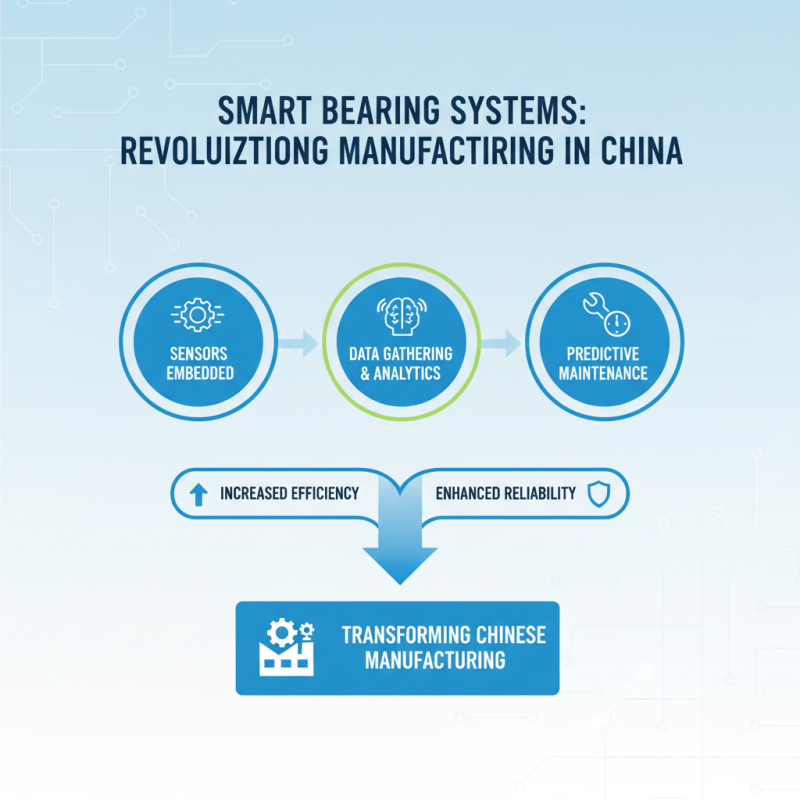
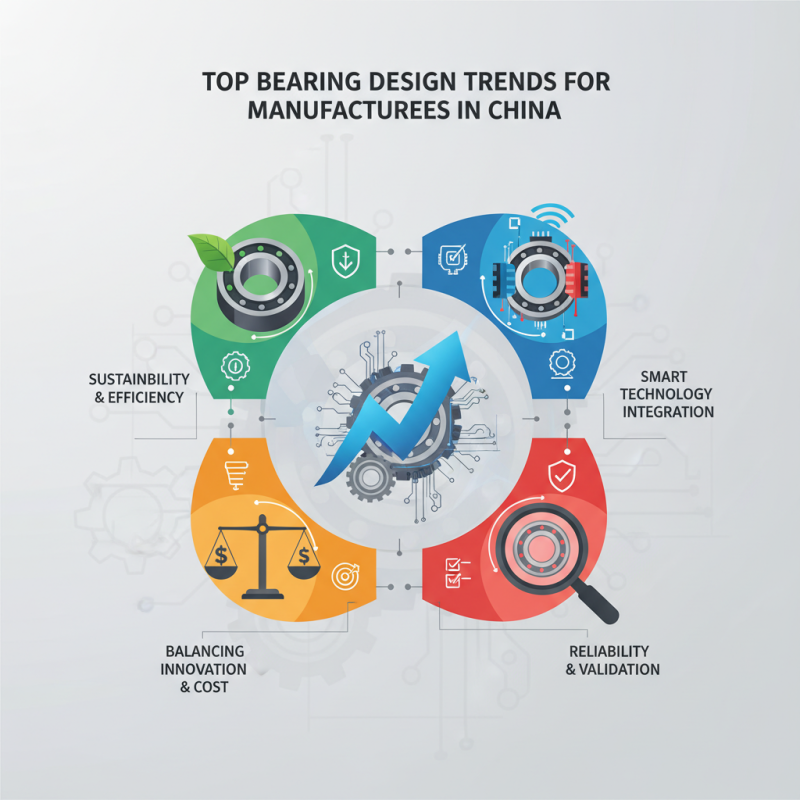
Modern manufacturers must adapt to these trends quickly. The rise of smart technology influences the bearing design landscape. There's a growing emphasis on sustainability and efficiency in materials. Designers often face the dilemma of balancing innovation with cost constraints. This reflection on design efficiency is vital for future success.
As Chinese manufacturers navigate this competitive landscape, understanding emerging trends is key. Embracing change is essential. Yet, there remains a challenge: ensuring that new designs meet reliability standards. The integration of enhanced bearing designs can lead to increased productivity. However, a potential pitfall is overlooking the importance of testing and validation in the design process.
Emerging Materials in Bearing Design: A Focus on Performance
Emerging materials in bearing design are reshaping the manufacturing landscape in China. Lightweight alloys and advanced composites are gaining traction. These materials improve load capacity and reduce friction. They also enhance durability under extreme conditions. Manufacturers are exploring polymers that offer corrosion resistance and lower maintenance. This shift encourages innovation in design and production.
Designers face challenges when integrating new materials. Each material has unique properties that can affect performance. For instance, polymers may not withstand high temperatures. Finding the right balance between weight and strength can be difficult. Despite these challenges, the potential benefits are significant. Testing and validation become crucial in this process.
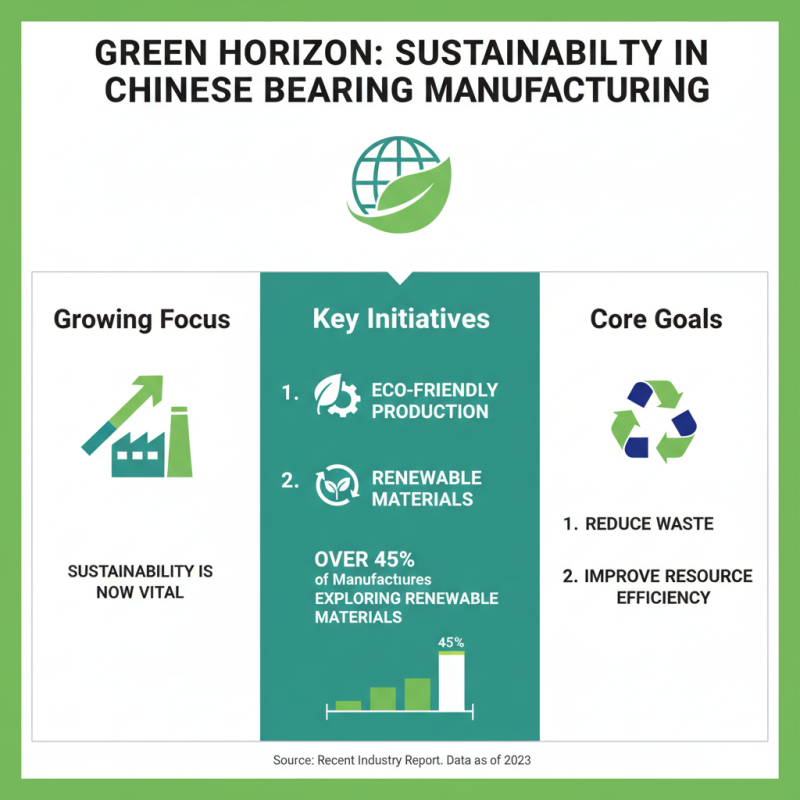
Sustainability is also becoming essential in material selection. Eco-friendly options are gaining popularity as industries focus on reducing their carbon footprint. However, sourcing these materials can be complicated. It requires a commitment to research and development. Manufacturers must remain open to feedback and adapt their strategies continuously. This ongoing evolution reflects the industry’s drive for better performance and sustainability.
Innovative Manufacturing Techniques Revolutionizing Bearings
The bearing manufacturing landscape in China is undergoing significant transformation. Innovative techniques are reshaping how components are designed and produced. Advanced technologies, such as 3D printing, enable manufacturers to create complex geometries. This process reduces material waste and shortens lead times.
Moreover, the integration of automation and robotics enhances precision in production. Manufacturers are using smart machinery to achieve tighter tolerances. This shift contributes to improved performance and reliability in bearings. However, not all manufacturers have adapted to these changes. Some still rely on traditional methods, which can hinder competitiveness.
Another emerging trend is the use of digital twins. This technology allows engineers to simulate bearing performance under various conditions. It helps in identifying potential issues before they arise. While the benefits are clear, the adoption of such technologies requires investment and upskilling. This creates a gap between early adopters and those hesitant to invest in innovation. As the sector evolves, staying relevant is a constant challenge for many manufacturers.
Top Bearing Design Trends for Manufacturers in China
| Trend |
Description |
Impact on Manufacturing |
Adoption Rate (%) |
| Smart Bearings |
Integration of IoT sensors to provide real-time data and analytics. |
Enhances predictive maintenance and reduces downtime. |
40% |
| High-Performance Materials |
Use of advanced composites and ceramics for better durability. |
Increases the lifespan and reliability of bearings. |
35% |
| Green Manufacturing |
Focus on sustainable practices and reducing carbon footprint. |
Improves brand image and complies with regulations. |
50% |
| Automated Manufacturing |
Incorporation of robotics and AI in assembly lines. |
Increases efficiency and consistency in production. |
45% |
| Customization |
Offering tailored solutions to specific industry needs. |
Enhances customer satisfaction and loyalty. |
30% |
Trends in Customized Bearing Solutions for Diverse Applications
The demand for customized bearing solutions in China is on the rise. This trend is driven by various industries seeking more specialized applications. According to a recent industry report, the global bearing market is expected to grow by 6.5% annually through 2027. Customized designs are gaining traction in sectors such as automotive, aerospace, and renewable energy.
Manufacturers now focus on tailoring bearings to specific needs. The integration of advanced materials, such as ceramics and composites, has opened new avenues for performance enhancement. For instance, hybrid bearings can withstand higher temperatures and loads, making them ideal for extreme environments. A survey revealed that 72% of engineers prefer tailored solutions to off-the-shelf products.
Challenges remain in the customization process. Developing precise specifications requires close collaboration with clients. Additionally, production scalability can be a concern. Custom solutions may lead to longer lead times, affecting delivery schedules. Balancing customization with efficiency will be critical for manufacturers aiming to stay competitive.