Top Bearing Tools for Precision and Performance Enhancement?
In today's competitive manufacturing landscape, the choice of Bearing Tools can significantly impact precision and performance. The global bearing industry is projected to reach USD 76.11 billion by 2025, as reported by Market Research Future. This highlights the critical role of efficient bearing tools in optimizing operations and improving product quality.
Precision in machining is essential. Tools that ensure accurate alignment and minimal friction can enhance the lifespan of bearings, ultimately affecting production efficiency. A study by the American Society for Precision Engineering states that the right tools can improve machine accuracy by up to 10%. However, many manufacturers overlook the importance of investing in high-quality bearing tools, leading to operational inefficiencies and increased costs.
Moreover, the constant evolution of technology presents both opportunities and challenges. Advanced bearing tools, like those integrating AI and IoT, promise to enhance performance but require skilled operators. Investing in training can bridge this gap, yet many companies hesitate. The future of bearing tool applications remains uncertain, but the necessity for precision in performance enhancement is clear.

Understanding the Importance of Precision in Bearing Tools
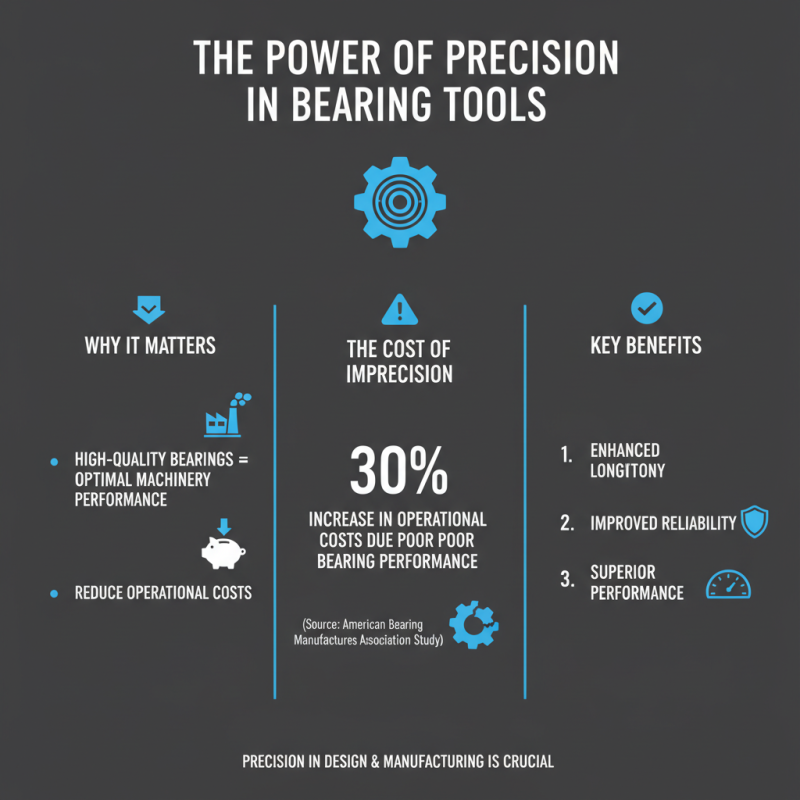
Precision plays a critical role in bearing tools. High-quality bearings are vital for machinery performance. According to a study by the American Bearing Manufacturers Association, poor bearing performance can lead to a 30% increase in operational costs. This highlights the importance of precision in design and manufacturing processes, ensuring optimal performance and longevity.
Data from the International Organization for Standardization indicates that precise bearing dimensions reduce friction. Lower friction leads to less heat generation, extending the lifespan of components. In fact, well-made bearings can last up to five times longer than inferior ones. However, maintaining precision is challenging. Small manufacturing defects can significantly impact performance.
Professionals often overlook the need for regular inspections. Research shows that 60% of bearing failures are attributed to improper maintenance. Understanding the quality and precision of bearing tools can mitigate these risks. Enhancing performance through better precision starts with recognizing potential pitfalls in current practices. Small improvements in precision can lead to substantial benefits.
Key Types of Bearing Tools for Enhanced Performance
When it comes to bearing tools, their role in precision and performance can’t be overstated. Various types of tools are designed to enhance the effectiveness of bearings, ensuring smoother operation and increased longevity. Understanding these tools can lead to better maintenance practices and ultimately improved performance.
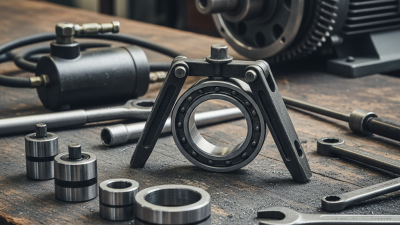
One of the essential types is the bearing puller. This tool allows for the safe and efficient removal of bearings. Incorrect use can damage the bearing or the shaft. Pay attention to the size and type to ensure compatibility. Improper handling can lead to frustration, costing both time and resources.
Another vital tool is the bearing press. This replaces bearings quickly and accurately. A well-aligned press avoids deformation, maintaining the integrity of the components. Misalignment can cause poor performance and lead to premature failure. Always verify that the press is set correctly for the job at hand.
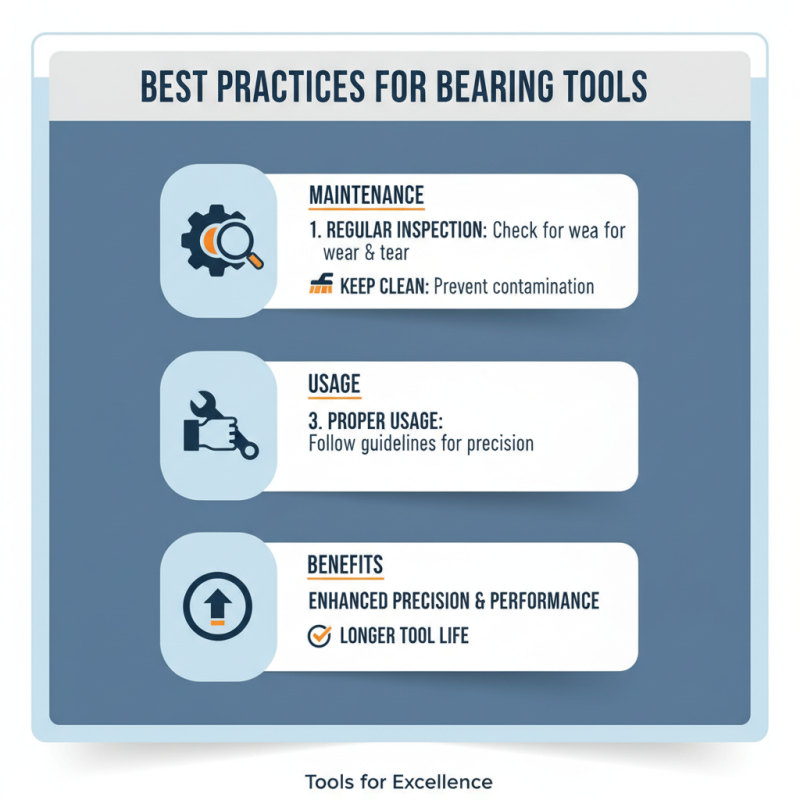
Tips: Regularly inspect your tools for wear and tear. Keeping instruments in good condition ensures accurate results. Training on the proper use can help avoid common mistakes, enhancing your work’s quality. Remember, even experienced technicians can overlook the basics, leading to unexpected issues.
Top Bearing Tools for Precision and Performance Enhancement
| Tool Type |
Description |
Performance Impact |
Typical Applications |
| Bearing Puller |
Used to remove bearings from shafts without damage. |
Increases efficiency by reducing bearing removal time. |
Automotive, industrial machinery. |
| Bearing Race Installation Tool |
Facilitates the correct installation of bearing races. |
Enhances precision, reducing the risk of misalignment. |
Construction, heavy machinery. |
| Torque Wrench |
Ensures proper torque specifications during assembly. |
Improves bearing lifespan by preventing over-tightening. |
Automotive, aerospace. |
| Grease Gun |
Used to provide lubrication to bearings. |
Enhances performance and reduces wear. |
Manufacturing, maintenance. |
| Measuring Gauge |
Measures bearing clearances and alignment. |
Increases accuracy in installations and adjustments. |
Quality control, engineering. |
Factors to Consider When Selecting Bearing Tools
When selecting bearing tools, several key factors come into play. Precision is paramount. Tools should align perfectly with specific applications. According to a recent industry report, 75% of equipment failures stem from issues related to bearing selection. This highlights the need for attention to detail in the selection process.
Another critical aspect is the manufacturing material of the tools. Options like stainless steel or carbon steel can greatly impact durability. A study indicated that tools made from high-quality materials have a 30% longer lifespan in demanding environments. Choosing the right finish, such as coatings to reduce friction, can enhance performance significantly.
Cost must also be considered, but it should not overshadow quality. Investing in reliable tools often leads to lower maintenance costs and increased efficiency. An unreliable tool can lead to downtime, which can cost businesses up to $5,000 per hour. Balancing these factors can be challenging, but prioritizing precision, material, and long-term value will yield better results.
Top Bearing Tools for Precision and Performance Enhancement
Innovative Technologies in Bearing Tool Design
The evolution of bearing tool design hinges on innovative technologies aimed at improving precision and performance. Recent industry reports indicate a growing trend toward advanced materials and smart technology integration. For instance, the adoption of composites has been shown to enhance load-bearing capacity by 30%. Additionally, the incorporation of IoT sensors enables real-time monitoring of bearing conditions, leading to proactive maintenance strategies.
However, these advancements are not without challenges. The transition to new materials can raise costs, limiting accessibility for smaller manufacturers. Moreover, reliance on smart technologies introduces risks, such as cybersecurity threats. According to a 2022 study, 40% of companies expressed concern over the vulnerability of connected devices. This highlights a need for careful consideration in adopting cutting-edge approaches.
Furthermore, the precision of bearing tools can still suffer from variability in manufacturing processes. Ensuring consistency remains a complex issue. Industries are constantly pushing for tighter tolerances, yet discrepancies can lead to performance losses. This dynamic landscape demands ongoing research and innovation, aiming for reliability while embracing new technologies.