Top 10 Bearing Tools You Need for Every Project?
In the dynamic world of engineering and manufacturing, the role of Bearing Tools is often underestimated. A recent industry report from the International Association of Bearing Manufacturers highlights that 85% of mechanical failures are due to inadequate maintenance and tool selection. Selecting the right Bearing Tools can prevent costly downtimes. Expert mechanic John Thompson states, "The right Bearing Tools are essential for ensuring machinery reliability."
Construction projects and equipment maintenance benefit greatly from the proper use of Bearing Tools. These tools specifically designed for bearings can significantly improve performance and longevity. Data suggests that companies using high-quality tools see up to a 30% increase in efficiency. However, many still struggle with outdated tools or lack of understanding, leading to subpar results.
Investing in the best Bearing Tools will enhance project outcomes and extend equipment life. Yet, there's a tendency to overlook these crucial tools. Many professionals fail to recognize their importance, which can lead to inefficiency. It’s time to reflect on our tool selection and invest in quality for better project success.
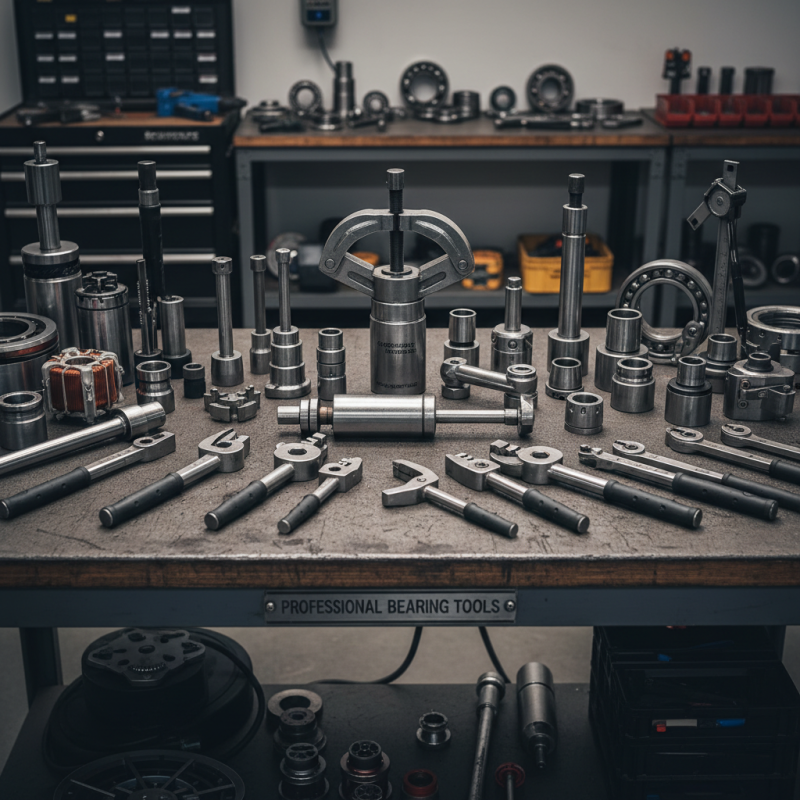
Essential Bearing Tool Types for Various Projects
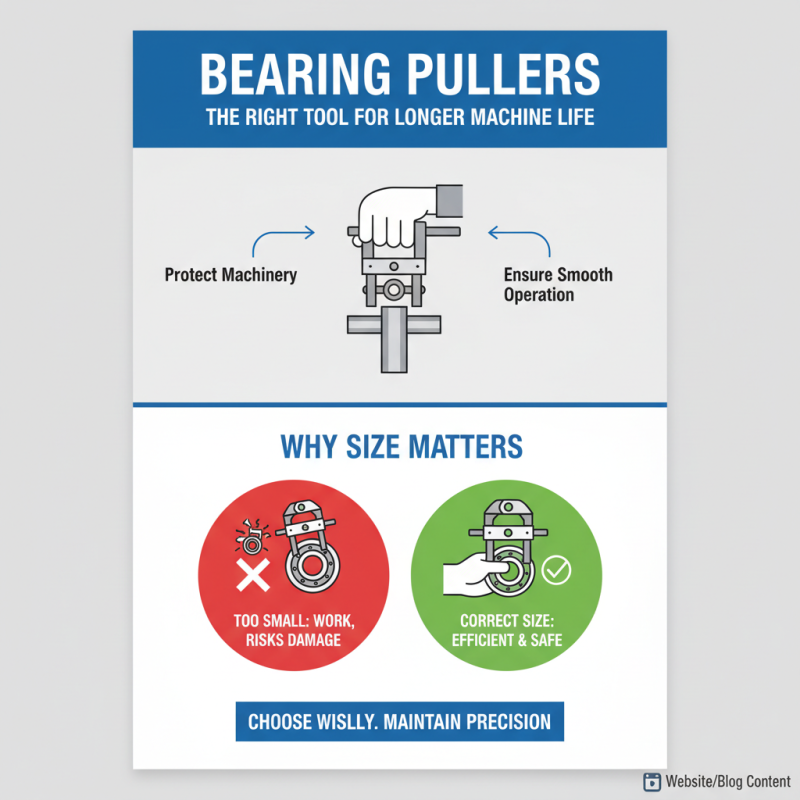
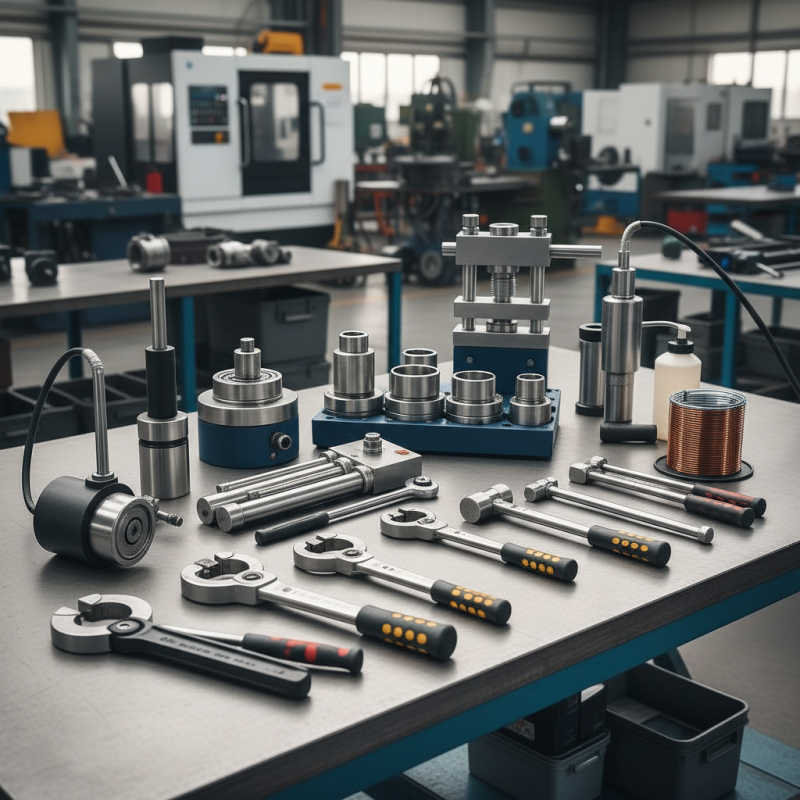
When working on various projects, having the right bearing tools is crucial. These tools help ensure that machinery runs smoothly and lasts longer. Common types include bearing pullers. They can remove bearings without damaging them. It’s vital to choose the correct size for the job. If the puller is too small, it won’t work. If it’s too big, you risk harm to the machinery.
Another essential tool is a bearing installer. This tool helps put bearings into place with precision. If installed incorrectly, the bearing may wear out prematurely. Laser alignment tools are also critical. They ensure that shafts and couplings align properly. Misalignment can cause excessive wear and tear. Consider buying a measuring tool to check the accuracy of your work. Remember, investing in the right tools saves time and frustration, but it doesn't guarantee perfection. Mistakes happen, and learning from them is part of the process.
Key Features to Consider in Bearing Tools
When selecting bearing tools, several key features deserve attention. First, consider the material quality. Premium steel often enhances durability and performance. Research shows that tools made from high-grade materials can last 25% longer. This factor can significantly impact productivity, especially in demanding projects.
Next, think about the design. Ergonomically designed tools offer better grip and comfort, reducing user fatigue. Studies indicate that 40% of tool-related injuries stem from improper handling. A well-designed tool can mitigate this risk, allowing for safer operations.
Finally, evaluate the versatility of the tools. A single tool that can function in multiple applications can save both time and money. According to industry reports, projects utilizing versatile tools often see a reduction in completion time by up to 30%. However, remember that the right tool for the job is crucial. Over-reliance on one tool may lead to subpar results. Therefore, be mindful of the specific needs of your projects when investing in bearing tools.
Top 10 Bearing Tools You Need for Every Project
| Tool Name |
Key Features |
Usage |
Material |
Price Range |
| Bearing Puller |
Various sizes, Easy to use |
Removing bearings |
Steel |
$15 - $50 |
| Bearing Installer |
Guided design, Durable |
Installing bearings |
Aluminum |
$20 - $80 |
| Caliper |
Precision measurement, Digital option |
Measuring diameter |
Stainless Steel |
$10 - $60 |
| Grease Gun |
Easy to operate, Adjustable nozzle |
Lubricating bearings |
Plastic/Metal |
$25 - $150 |
| Bearing Race Installer |
Interchangeable sizes, Lightweight |
Installing raceways |
Steel |
$30 - $75 |
| Torque Wrench |
Adjustable settings, High precision |
Applying correct torque |
Chrome Vanadium |
$40 - $200 |
| Shims |
Various thicknesses, Non-metal |
Spacing adjustments |
Plastic |
$5 - $20 |
| Bearing Cleaning Tool |
Gentle but effective |
Cleaning bearings |
Composite Material |
$10 - $30 |
| Bearing Belt Sander |
Powerful, Compact |
Sanding bearings |
Steel and Plastic |
$150 - $300 |
Top Brands and Models of Bearing Tools in the Market
When it comes to bearing tools, the selection can be overwhelming. Data from industry reports indicate that the demand for reliable, durable bearing tools has surged by 15% over the last year. Professionals seek tools that combine versatility with quality. The market is flooded with options, but not all live up to expectations.
Several brands consistently rank high in performance. Among these, models designed for ease of use and longevity stand out. For instance, tools that provide integrated sealers show a notable increase in lifespan, reducing the need for frequent replacements. A study revealed that projects using high-quality bearing tools saw a 25% reduction in downtime. However, the variety can complicate the purchasing decision. Users often grapple with understanding which features are essential versus those that are marketed aggressively.
The right tool can make a significant difference. User feedback can sometimes contradict professional reviews, highlighting preferences for different functionalities. Some users prefer simpler designs, while others seek advanced features. Balancing these reviews with personal experience can lead to better project outcomes. Making an informed choice requires careful consideration of both usage and reliability ratings from respected sources.
Maintenance Tips for Extending Life of Bearing Tools
Maintaining bearing tools is essential for their longevity. Regular cleaning is the first step. Dust and grime can accumulate, affecting performance. A simple wipe with a clean cloth goes a long way. Keeping them free of debris helps prevent wear.
Ensure lubrication is appropriate. Over-lubrication can lead to excess buildup and failure. Under-lubrication may cause tools to seize. It’s a balancing act. Inspect regularly for signs of wear or damage. If you notice anything unusual, it’s better to address it immediately.
Storage conditions matter too. Storing bearing tools in a dry, cool place helps prevent rust. A dedicated toolbox can protect them from accidental drops. It might seem trivial, but proper handling is crucial. Reflecting on these practices can lead to improved results in your projects. Small habits make big differences.
Safety Practices When Using Bearing Tools
When working with bearing tools, safety should always come first. An industry report by the National Safety Council highlights that over 40,000 injuries occur annually in manufacturing due to improper tool handling. This is a stark reminder of the risks involved. Always wear appropriate personal protective equipment (PPE), such as gloves, goggles, and steel-toed boots. This basic gear can reduce the risk of injury significantly.
Ensure your workspace is neat and organized. A cluttered environment can lead to accidents. It's vital to have a distraction-free area when using bearing tools. More than 30% of tool-related injuries result from distractions, according to the Bureau of Labor Statistics. Moreover, understand the tools you are using. Each tool has specific safety measures. Failing to follow these can lead to serious injuries. Regularly inspect your tools and replace any worn components. These practices foster a safer working atmosphere and help in reducing accidents. Safety is not just a priority; it is a responsibility.