Top 10 China Steel Bearings Buyers Guide?
In the global industrial landscape, steel bearings play a pivotal role. They are critical components in various machinery and equipment. The market for steel bearings has shown a steady growth rate. According to a recent report by Research and Markets, the global bearings market is expected to reach USD 100 billion by 2025, with steel bearings accounting for a significant share.
China stands as a vital hub for steel bearing production and consumption. The country is home to leading manufacturers and an expanding market demand. Steel bearings are essential in automotive, aerospace, and machinery sectors. As reported by Statista, the domestic bearing industry in China generated over USD 18 billion in revenue in 2020. This showcases the importance of understanding the buyers' trends in this sector.
Yet, despite the industry's growth, challenges persist. Quality control and supply chain issues are common drawbacks faced by manufacturers. Buyers must remain vigilant and perform due diligence before making purchases. In this guide, we will explore the top steel bearing buyers in China, aiming to equip you with the knowledge needed to navigate this complex market effectively.
Top 10 China Steel Bearings Buyers: Overview of the Market Landscape
The steel bearings market in China presents a complex landscape for buyers. Several large manufacturers dominate the scene. They produce a wide range of products. Quality varies across suppliers, which can complicate purchasing decisions. It's crucial for buyers to assess each company’s capacity, technology, and reputation.
Understanding specific application requirements is essential. Different industries have unique needs. For instance, some may prioritize high precision while others focus on durability under extreme conditions. Buyers should conduct thorough research on potential suppliers. Online reviews and industry reports can provide valuable insights. Communication with manufacturers can clarify capabilities.
Challenges can arise when selecting suppliers. Not all offer the same level of service or support. Some may not respond quickly to inquiries. Others might have long lead times, which can disrupt production schedules. Evaluating these factors is key to making informed decisions. Continuous market monitoring will aid in adjusting purchasing strategies and securing reliable partnerships.
Key Factors Influencing Steel Bearings Purchasing Decisions in China
When it comes to purchasing steel bearings in China, several key factors shape the decisions of buyers. Quality is paramount. Buyers often look for precise engineering and durability. A trusted supplier can make a significant difference in product reliability. It's essential for buyers to conduct thorough research on materials and manufacturing processes.
Price is another critical aspect. Competitive pricing can attract many clients, but the lowest price does not always guarantee quality. Buyers must balance cost with value. Transparency is vital in this regard. They should be wary of hidden costs and unclear pricing structures that can lead to future complications.
Buyer relationships also matter significantly. Long-term partnerships often yield better service and product availability. Good communication fosters trust, which is essential for negotiation. Each of these factors influences the final decision. Reflecting on personal experiences can help buyers understand their needs better. Choosing the right supplier is about more than just price—it’s about fostering long-term reliability.
Top 10 China Steel Bearings Buyers Guide
| Buyer Category |
Annual Purchase Volume (Tons) |
Key Factors Influencing Purchase |
Preferred Supplier Characteristics |
| Automotive Industry |
15000 |
Quality Assurance, Performance Reliability |
ISO Certification, R&D Capability |
| Aerospace |
8000 |
Precision Engineering, Compliance Standards |
Experience in Aerospace, Innovation |
| Manufacturing Equipment |
12000 |
Durability, Efficiency |
Competitive Pricing, Timely Delivery |
| Railway |
5000 |
Safety Standards, Long Lifespan |
Long-standing Reputation, Technical Support |
| Construction |
7000 |
Load Capacity, Weather Resistance |
Robustness, Customization Options |
| Mining |
6000 |
High Load Tolerance, Wear Resistance |
Proven Track Record, After-sales Service |
| Agricultural Machinery |
3000 |
Reliability, Cost-effectiveness |
Local Availability, Responsive Communication |
| Energy Sector |
10000 |
Energy Efficiency, Environmental Compliance |
Sustainability Practices, Technology Partnership |
| Electronics |
4000 |
Compact Design, High Performance |
Technological Expertise, Agile Manufacturing |
Analysis of Major Players in the Chinese Steel Bearings Industry
The Chinese steel bearings industry exhibits significant growth, driven by demand across various sectors. Major players in this field include manufacturers that focus on quality and technological advancements. According to industry reports, the steel bearings market in China is expected to reach approximately USD 20 billion by 2025, growing at a CAGR of 5.2%. A substantial portion of this growth is attributed to the booming automotive and machinery sectors.
A closer look at the market reveals a few leading manufacturers implementing innovative production techniques. For instance, precision manufacturing has become critical for competitive advantage. Reports indicate that 60% of bearing failures are due to inadequate surface quality. This highlights a critical focus area for manufacturers aiming to enhance reliability and performance. Additionally, understanding the supply chain's complexity poses challenges for newcomers in the industry. Sourcing high-quality raw materials is essential, yet it presents ongoing hurdles.
As the sector evolves, pressure for sustainability and environmentally friendly practices mounts. Companies are exploring eco-design approaches to meet these demands. This shift indicates a need for adaptive strategies to stay competitive. The journey towards sustainability may not be perfect and requires ongoing evaluation. Continuous improvement will be crucial as manufacturers navigate the intricacies of modern market dynamics. Engaging with technological advancements will likely determine future success in this landscape.
Top 10 China Steel Bearings Buyers Guide
Trends and Innovations Shaping the Future of Steel Bearings in China
The future of steel bearings in China is being shaped by several key trends and innovations. As the market evolves, manufacturers are focusing on enhancing product durability and performance. According to a recent report by Research and Markets, the steel bearings market in China is expected to grow at a CAGR of 6.5% from 2023 to 2030. This surge indicates increasing demand in sectors such as automotive, machinery, and aerospace.
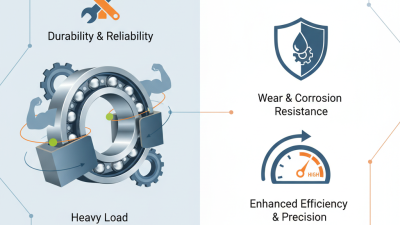
One significant innovation involves the development of advanced materials that enhance corrosion and wear resistance. The adoption of heat-treated steel and coatings is improving longevity. Notably, hybrid bearings that combine steel and ceramic materials are also gaining attention. They offer lower friction and higher speed capabilities, making them ideal for high-performance applications.
Tip: Stay informed about new materials and technologies. Monitoring industry publications can provide insights into emerging trends.
Another aspect to consider is the increasing integration of IoT in manufacturing. Smart bearings equipped with sensors can monitor performance metrics in real-time. This innovation allows for predictive maintenance, reducing downtime. However, the reliance on technology necessitates a thorough understanding of data security and management.
Tip: Invest in training for your team. Understanding digital tools is crucial in maximizing the benefits of these innovations.
Guide to Evaluating Quality and Performance Standards for Steel Bearings
When evaluating steel bearings, focus on quality and performance standards. Understanding these aspects can greatly influence your purchase decisions. Always look for certifications that indicate adherence to international industry standards. These certifications ensure that the product meets safety and performance expectations.
Inspecting the material properties is critical. High-quality steel bearings usually offer better durability and resistance to wear. Pay attention to the hardness and tensile strength of the steel. Bearings that use premium materials will typically exhibit longer life spans. However, there are often variations in these specifications. It's essential to ask the supplier for detailed material data sheets.
Performance testing is another key area to consider. Look for records of tests like load capacity and rotational speed. These results reflect the bearing's efficiency in real-world applications. Be cautious with data provided; it’s essential to verify through independent tests. This reinforces the reliability of the product, which can sometimes be overlooked in marketing. Understanding these factors helps prevent costly mistakes in the future.