Ultimate Guide on Bearing Tools Tips for Best Performance?
In the world of machinery, bearing tools play a crucial role. They ensure smooth operation and extended lifespan of equipment. Whether you are an industrial worker or a DIY enthusiast, understanding these tools is essential.
Choosing the right bearing tools might seem simple, but it’s not always easy. Many people overlook the importance of quality. Poor choices can lead to premature failure and expensive repairs. Did you know that incorrect installation is a common mistake? It can negate the benefits these tools offer.
When using bearing tools, pay attention to details. Verify your selections match your specific needs. Keep in mind that even seasoned professionals can benefit from revisiting basic concepts. Mistakes happen, and reflecting on your techniques can lead to better performance. With this guide, you’ll gain insights to optimize your use of bearing tools for maximum efficiency.
Understanding Bearing Tools: Types and Their Applications
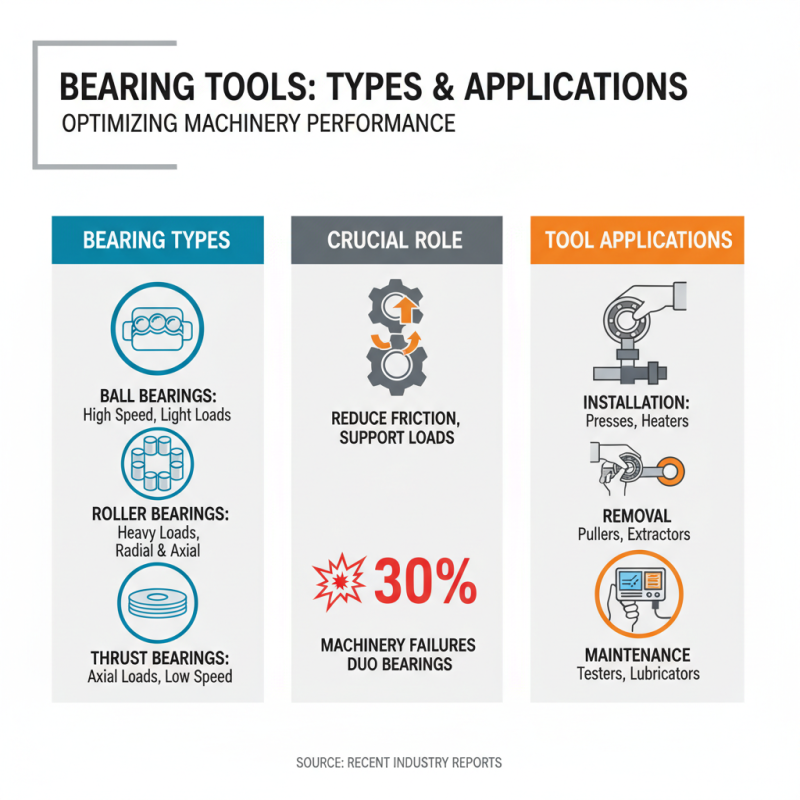
When it comes to bearing tools, understanding their types and applications is crucial. Bearings are essential in machinery, reducing friction and supporting loads. Common types include ball bearings, roller bearings, and thrust bearings. Each type has distinct applications, impacting performance and efficiency. According to recent industry reports, approximately 30% of machinery failures are linked to bearing issues. This underlines the importance of using the right tools.
Here are some tips for optimal use. Always match the tool to the bearing type. For example, use precision tools for ball bearings that require exact alignment. Regular maintenance of tools is vital. Even small wear can lead to significant performance drops. Additionally, always check for lubrication. Insufficient lubrication can cause overheating and premature failure.
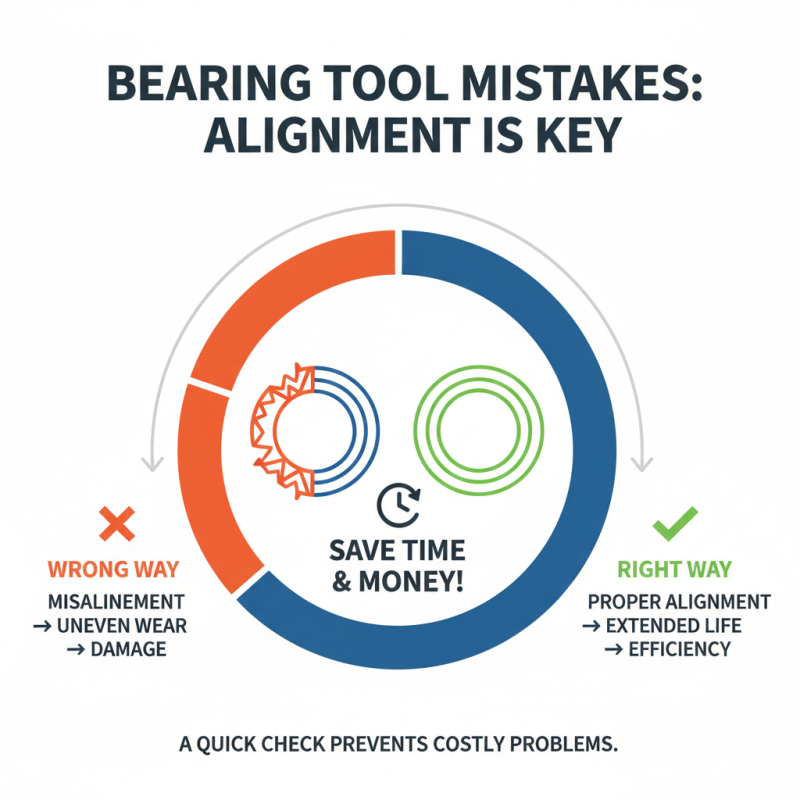
Another insight comes from ongoing research in bearing technology. Studies indicate that correctly installed bearings can increase service life by up to 50%. Improper installation, however, can lead to misalignment and immediate damage. Investing in training for staff on correct installation techniques can pay off significantly. The right knowledge ensures that tools are used effectively and safely.
Key Factors for Selecting the Right Bearing Tool
Choosing the right bearing tool is crucial for optimal performance. Several key factors come into play during this decision-making process. Consider the size of the bearings you will be working with. A tool that is too small may not provide the necessary leverage. Conversely, a tool that is too large can be cumbersome and inefficient.
Material quality also matters. A durable tool will withstand the rigors of frequent use. On the other hand, a lower quality material may bend or break under pressure. Look for tools made from strong metals or innovative composites. They can significantly enhance your work’s precision and lifespan.
Another aspect to consider is the ergonomic design. Tools that are comfortable to grip reduce fatigue during prolonged use. However, some users find certain grips uncomfortable. Testing different handle styles can be beneficial. Lastly, always reflect on your own experience. Something that works well for others might not suit your specific needs. Finding the balance between functionality and comfort is key.
Essential Tips for Using Bearing Tools Effectively
Using bearing tools effectively can greatly improve your projects. Here are essential tips to enhance your performance. Pay attention to the technique. Position the tool correctly before starting. If it feels off, take a moment to adjust. Small mistakes can lead to bigger problems.
Always maintain your tools. Clean them regularly. Dirt can cause misalignment and wear. A neglected tool may not perform well. Check for wear and tear often. Replace parts if necessary. Using a worn-out tool is a common mistake.
Practice makes perfect. Don't rush through tasks. If you’re unsure about a technique, practice on scrap material. It’s better to learn from a mistake than to risk damage. Sometimes, taking a step back helps. Reflect on your process. Improvement comes from experience.
Ultimate Guide on Bearing Tools Tips for Best Performance
This chart represents the performance ratings of different bearing tools based on various tested criteria. Higher ratings indicate better performance, helping users choose the right tools for their needs.
Maintenance Practices for Prolonging Bearing Tool Life
Maintaining bearing tools properly can significantly extend their lifespan. Regular inspections are essential. Check for signs of wear or damage. Cleaning is crucial to prevent debris from causing issues. A simple wipe-down can make a difference.
Lubrication is another vital practice. Use the right type and amount of lubricant. Too much can attract dirt, while too little can lead to overheating. It's easy to overlook this, but proper lubrication can enhance performance.
In addition, ensure correct storage of your bearing tools. Keep them in a dry place to prevent rust and corrosion. Failure to store correctly can result in unexpected damage. Reflecting on your maintenance routine can reveal overlooked areas. Regularly updating practices based on usage can lead to improved longevity of your tools.