How to Use a Bearing Lock for Better Machinery Performance?
In the quest for enhanced machinery performance, the role of a Bearing Lock cannot be understated. A recent study by the Machinery Maintenance Institute indicates that improper bearing installation leads to a staggering 30% of equipment failures. This not only results in lost productivity but also incurs significant repair costs.
Implementing a Bearing Lock can significantly mitigate these risks. By securing bearings more effectively, organizations can experience reduced vibration and improved alignment. Furthermore, a correctly installed Bearing Lock can lead to a longer lifespan for machinery components. However, many companies overlook proper bearing maintenance practices, which can lead to suboptimal performance.
Despite its advantages, the use of a Bearing Lock is not without challenges. Some operators may lack the training or awareness needed for effective installation. Addressing these gaps is crucial. Investing in proper training and tools fosters better machinery resilience. In an era where operational efficiency is paramount, utilizing a Bearing Lock is a step towards realizing stable and reliable performance.

Understanding the Functionality of Bearing Locks in Machinery
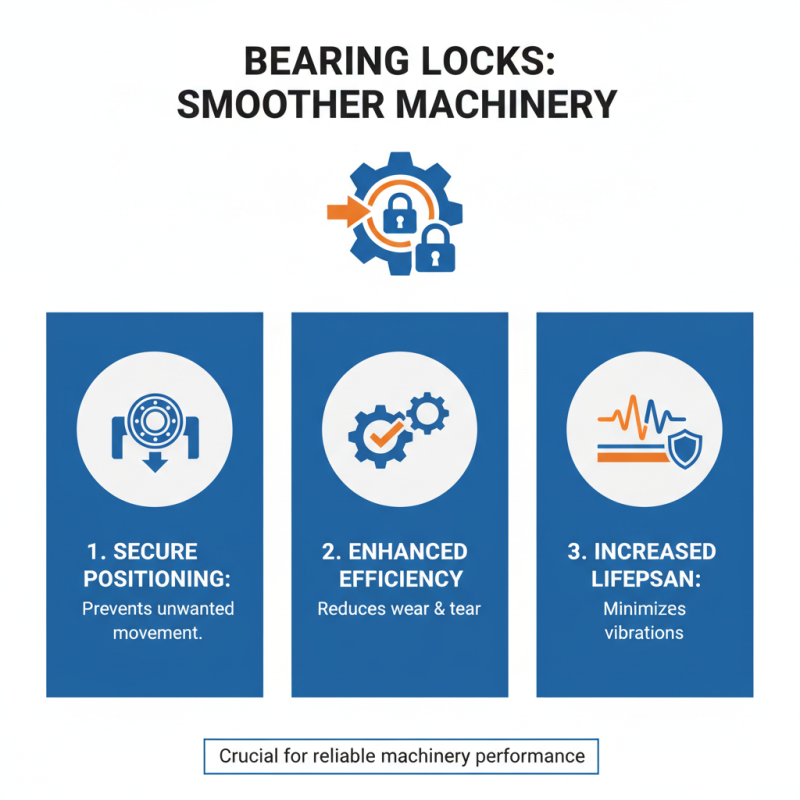
Bearing locks play a crucial role in ensuring machinery operates smoothly. They securely hold bearings in place, preventing unwanted movement that can cause wear and tear. This firm grip enhances the overall efficiency of the machinery. Without proper locking, machinery may experience imbalances. These imbalances could lead to increased vibrations, reducing lifespan and performance.
Understanding how to use bearing locks properly is essential. They must be correctly sized and installed to function well. If a bearing lock is too loose, it will fail to do its job. Conversely, over-tightening can cause stress and damage. A balance is vital here. Regular maintenance checks can help catch potential issues before they escalate.
Applying bearing locks may seem straightforward, yet there are nuances. Different machinery types require specific locking methods. Some engineers may overlook this aspect, leading to improper installations. Consideration of various factors, like load and speed, is necessary. Regular training and revisiting guidelines could enhance overall performance and longevity.
Types of Bearing Locks and Their Applications in Industrial Settings
Bearing locks play a crucial role in enhancing machinery performance. Different types of bearing locks are commonly used in industrial settings, each designed to meet specific needs. Tightening bearing assemblies can prevent slippage and vibration. Set screw locks are popular in light-duty applications. They are simple to install but may not be the best choice for heavy equipment. Taper locks, on the other hand, offer robust engagement and are ideal for high-load scenarios.
According to reports from industry leaders, improper bearing lock use can lead to a 30% decrease in machine reliability. A common issue is the over-tightening of locks. This can lead to stress fractures or reduced bearing life. Regular inspections are essential to avoid such problems. Consider using maintenance-free locking solutions where applicable. These can offer a more reliable and hassle-free operation.
Tips: Always ensure the correct alignment when installing bearing locks. Misalignment can cause operational inefficiencies. Monitoring vibration levels can provide early warnings of bearing failure. Don't overlook the importance of training personnel on proper installation techniques. Ignoring these details can result in costly downtime and repairs.
Impact of Bearing Lock Types on Machinery Performance
Key Benefits of Implementing Bearing Locks for Equipment Efficiency
Implementing bearing locks can significantly enhance machinery performance. These devices ensure that bearings remain securely in place, preventing unwanted movement. When bearings move too much, it can lead to wear and tear. Over time, this wear can cause operational inefficiencies.
One key benefit is reduced maintenance costs. By keeping bearings stable, the likelihood of mechanical failures decreases. Operators often overlook the importance of proper lock mechanisms. Neglecting this detail can lead to costly downtime. Achieving optimal performance for machinery becomes challenging without addressing this aspect.
Another advantage is improved safety. A secure bearing reduces the risks of accidents associated with malfunctioning machinery. Equipment that operates smoothly contributes to a safer work environment. Yet, some might find it tedious to regularly check and maintain these locks. This oversight could lead to negative implications later. Addressing these challenges proactively can yield significant gains.
Best Practices for Installing and Maintaining Bearing Locks
Installing a bearing lock requires careful attention to detail. Before installation, ensure that the surface of the shaft is clean and free from any debris. A rough or dirty surface can lead to improper fit and subsequent machinery issues. Use a torque wrench to apply the correct amount of force. This prevents over-tightening, which can damage both the bearing and lock.
Regular maintenance of bearing locks is crucial for long-term performance. Inspect the locks frequently for signs of wear or corrosion. Small imperfections can lead to larger problems down the line. Lubrication is essential; however, be cautious not to over-grease, as this can attract dirt and grime. An annual maintenance schedule can help catch potential issues early.
Some may overlook the importance of bearing alignment. Misalignment can cause excessive wear, leading to premature lock failure. Regularly check the alignment to ensure smooth operation. It’s a minor step but can save thousands in repair costs. Keeping a log of maintenance activities can foster better accountability and enhance performance.
Analyzing the Impact of Bearing Locks on Machinery Longevity and Performance
Bearing locks play a crucial role in enhancing machinery longevity and performance. They ensure the stability of bearings under varying operating conditions. A well-installed bearing lock minimizes the chance of misalignment. This leads to smoother rotations and less friction. Consequently, the machinery operates efficiently, reducing wear and tear on components. Maintenance costs can be lower when machinery runs optimally.
However, it's essential to choose the right type of bearing lock. Not all locks suit every application. Some may apply excessive force, which can cause damage. If improperly fitted, they might lead to early equipment failures. It's a continuous learning process to determine the best locking solution. Attention to detail during installation is vital to avoid setbacks. Regular inspections can reveal early signs of potential issues.
Real-world applications vary widely. In some cases, an overlooked bearing lock can lead to performance dips. Operators must stay vigilant and adapt to each machine's needs. It’s a balance of capability and constant improvement. Optimizing machinery with a bearing lock isn’t just about installation. It’s about a commitment to ongoing performance management.
How to Use a Bearing Lock for Better Machinery Performance? - Analyzing the Impact of Bearing Locks on Machinery Longevity and Performance
| Machinery Type |
Bearing Type |
Usage Duration (Hours) |
Performance Improvement (%) |
Average Lifespan (Months) |
| Excavator |
Angular Contact |
2000 |
15% |
12 |
| Crusher |
Deep Groove |
3500 |
20% |
10 |
| Conveyor |
Self-Aligning |
5000 |
25% |
15 |
| Generator |
Tapered Roller |
6000 |
30% |
18 |
| Pump |
Spherical |
4000 |
18% |
14 |