Best Bearing Design Techniques for Optimal Performance?
In the realm of engineering, effective Bearing Design is crucial for machinery performance. According to a recent report by the International Association of Bearing Manufacturers, optimized bearing designs can enhance efficiency by 20% or more. This statistic underscores the importance of innovative design techniques in the industry. As industry expert Dr. John H. Lin states, "The right bearing design can be the difference between failure and success." His insights reflect a deep understanding of the interplay between design and operational reliability.
Bearing Design encompasses various elements, including material selection and geometric configuration. Engineers must navigate trade-offs between load capacity and rotational speed. New materials and advanced simulations allow for more precise predictions of performance. However, challenges remain. Many designs fail to account for environmental variables, leading to unexpected wear and maintenance issues. Evaluating these factors is essential for continuous improvement in Bearing Design.
As we explore advanced techniques in this field, it is vital to remain aware of past shortcomings. Learning from previous design failures can guide future innovations. The pursuit of optimal performance demands a collaborative approach, integrating expertise across disciplines. Bearing Design should not only focus on immediate needs but also anticipate future demands in various sectors.

Overview of Bearing Design and Its Importance in Engineering
Bearing design plays a crucial role in engineering, impacting the performance and efficiency of machines. A well-designed bearing can reduce friction and wear, ensuring longevity and reliability. These components bear significant loads and often operate under varying conditions. Understanding the mechanics behind bearing design is essential for engineers to optimize system performance.
Choosing the right materials is fundamental. Steel, ceramic, and polymer all have unique properties. Steel is strong but can corrode. Ceramics are hard yet brittle. Polymers offer flexibility but may lack strength. Evaluate each material based on your project needs.
**Tips:**
Consider environmental factors. Temperature and humidity can affect bearing performance.
Proper lubrication is vital. It minimizes friction and prevents overheating. Regular maintenance checks can extend bearing life.
Designing bearings involves challenges. Balancing load capacity, size, and cost can be difficult. Regular evaluations throughout the design process can help identify potential issues early. This will lead to improvements and more robust solutions.
Key Factors Influencing Bearing Performance and Longevity
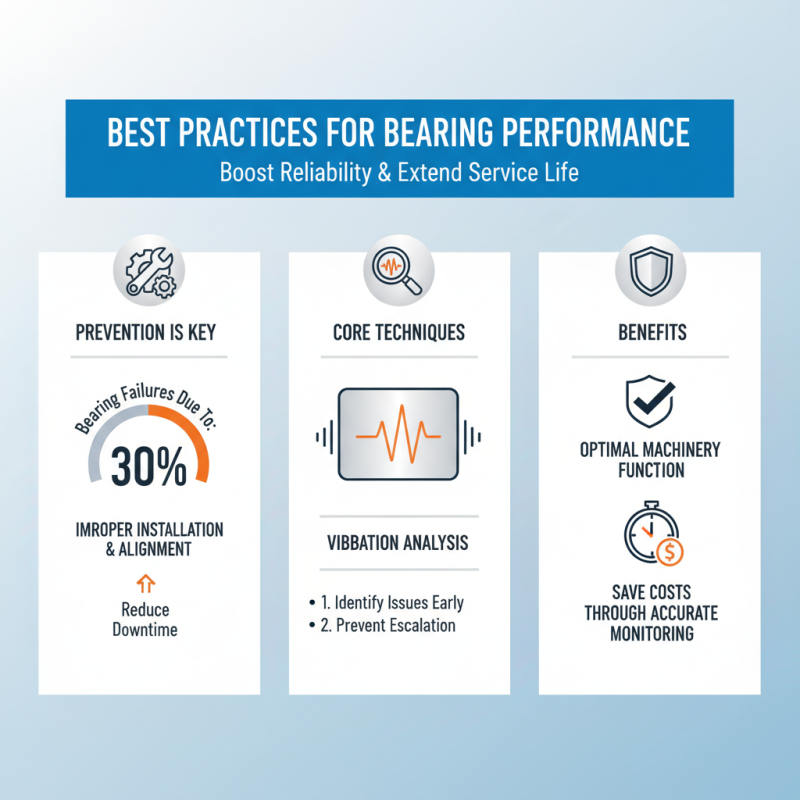
When discussing bearing performance and longevity, several key factors come into play. Material selection is crucial. According to a 2021 report by the International Journal of Engineering & Technology, bearing failures can be traced back to improper material choices in 30% of cases. High-quality steel or advanced ceramics significantly enhance load capacity and wear resistance.
Lubrication also plays a vital role. The type and thickness of lubricant can affect heat dissipation and friction levels. A study by the American Society of Mechanical Engineers indicates that proper lubrication can reduce wear by up to 30%. However, too much or too little lubricant can lead to failures. This highlights the need for careful monitoring of lubrication conditions.
Additionally, environmental factors cannot be ignored. Temperature fluctuations and exposure to contaminants can severely impact bearing life. A report from the American Bearing Manufacturers Association suggests that bearings exposed to extreme conditions could fail over 50% earlier than those in optimal settings. Regular inspection, attention to surrounding conditions, and maintenance strategies are essential for maximizing performance and longevity. These insights emphasize areas where improvements are necessary, pushing engineers to reevaluate design choices.
Best Bearing Design Techniques for Optimal Performance
| Design Technique |
Key Factors |
Impact on Performance |
Longevity Enhancement |
| Optimized Lubrication |
Type of lubricant, lubrication intervals |
Reduces friction, prevents overheating |
Increases service life significantly |
| Material Selection |
Bearing material properties, corrosion resistance |
Improves wear resistance and strength |
Enhances durability, reduces replacement frequency |
| Precision Manufacturing |
Tolerance levels, machining techniques |
Ensures proper fit, minimizes play |
Lowers failure rates, maintains performance over time |
| Ball vs Roller Bearings |
Load capacities, friction characteristics |
Influences speed and load handling capabilities |
Allows for tailored solutions to specific applications |
| Sealing Solutions |
Type of seals, environmental factors |
Prevents contaminants, maintains lubricant integrity |
Prolongs life by reducing maintenance needs |
Common Bearing Types and Their Specific Design Techniques
Bearings play a crucial role in various machinery and mechanical systems. Understanding common types of bearings and their specific design techniques can enhance performance significantly. For example, ball bearings are widely used due to their versatility. They feature a simple design with spheres that reduce friction. However, improper lubrication can lead to increased wear over time. Each design element must be carefully considered to achieve optimal performance.
Another common type is roller bearings, designed to handle heavier loads. They use cylindrical rollers instead of balls, which allows for greater surface contact. However, they can be more sensitive to misalignment. Regular inspections are essential to identify any wear patterns. This helps in adjusting components before they lead to failure.
Finally, tapered roller bearings cater to both axial and radial loads. They are beneficial for applications like automotive wheels. However, they require precise alignment during installation. Otherwise, performance can be compromised. Thus, reflecting on these details is important for long-term reliability.
Advanced Materials and Technologies in Bearing Design
The selection of advanced materials in bearing design is crucial for performance improvement. A recent study indicated that bearings made from polymer composites can withstand higher loads and temperatures. These materials offer better corrosion resistance compared to traditional metal bearings. This presents a significant advantage in harsh environments.
Technological advancements also play a key role. For instance, the introduction of additive manufacturing allows for the production of complex shapes that traditional methods cannot achieve. This flexibility can lead to weight reductions and increased strength. Using simulation software helps in predicting bearing behavior under various conditions. The data shows that optimized designs can lead to a performance increase of up to 25%.
However, these innovations are not without challenges. The cost of advanced materials can be prohibitive for some applications. Additionally, the long-term reliability of new composites still requires extensive testing. More research is needed to fully understand the impact of new technologies. Striking a balance between performance and cost-effectiveness remains a critical issue in bearing design.