Best Bearing Lock Solutions for Secure and Reliable Applications?
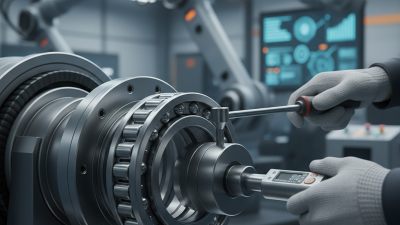
In the world of mechanical engineering, ensuring the reliability of components is crucial. Among these components, the Bearing Lock plays a vital role. It secures bearings in their intended position, preventing unwanted movement. This securement is essential for the safety and performance of machinery.
Choosing the right Bearing Lock solution can be challenging. Various applications demand specific features. A well-designed Bearing Lock provides not only stability but also longevity. Users often overlook the importance of proper installation and routine maintenance, which are key to performance. User experience reveals that companies frequently encounter issues due to inadequate solutions.
Understanding the nuances of Bearing Locks is vital for engineers. They must consider the environment where the lock will be used. For example, temperature fluctuations and exposure to contaminants can affect the decision. Reliable solutions enhance equipment efficiency, leading to fewer breakdowns. Continuous improvement and innovation in Bearing Lock technology are needed. Some approaches may fail, calling for further exploration. In this pursuit, experts must balance cost-effectiveness with quality to achieve optimal results.
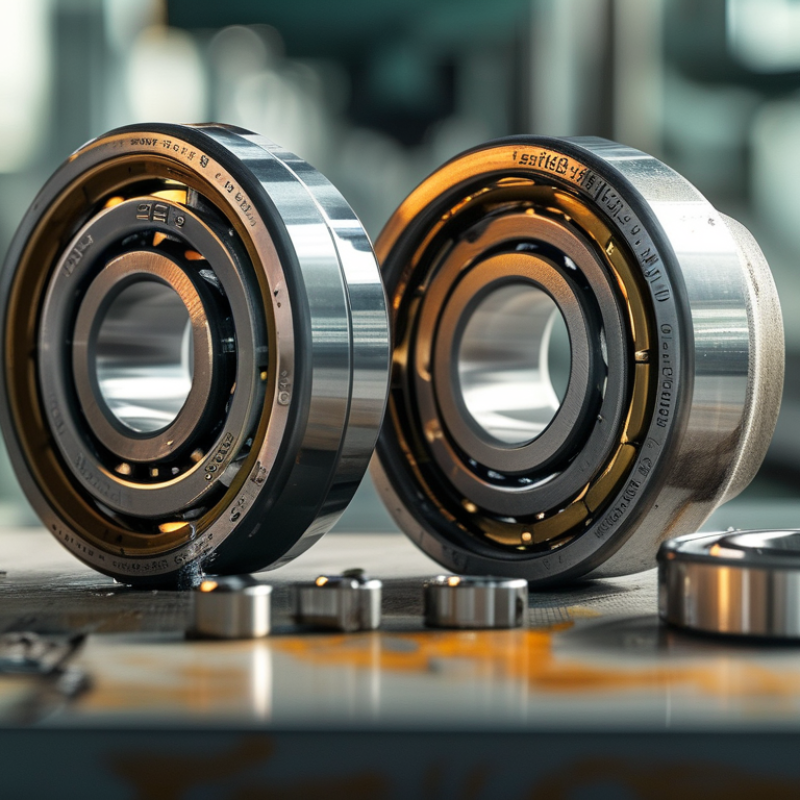
Overview of Bearing Locks and Their Importance in Safety
Bearing locks play a crucial role in maintaining safety and reliability across various applications. These components secure bearings onto shafts or housings, preventing them from spinning or shifting during operation. When properly installed, bearing locks can significantly reduce wear and tear. However, improper use can lead to catastrophic failures. This highlights the importance of selecting the right type for your specific needs.
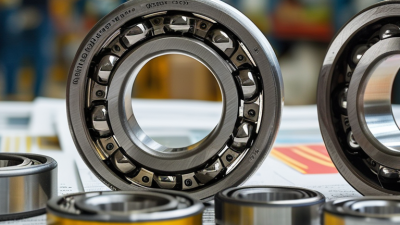
Understanding the different types of bearing locks is essential. Common options include set screw locks, keyway locks, and friction fit locks. Each type has advantages and disadvantages. For instance, set screw locks are easy to install, but can sometimes loosen under heavy vibrations. This may cause unplanned downtime. Regular inspections are necessary to ensure their effectiveness.
Choosing the right bearing lock requires careful consideration. Application environment matters—exposure to moisture, dust, or extreme temperatures can affect lock performance. Proper alignment during installation is also critical. An incorrectly aligned lock may lead to misalignment issues, compromising overall functionality. Users should conduct routine maintenance checks to evaluate the condition of their bearing locks. Investing time in this area can prevent significant operational interruptions.
Types of Bearing Locks: An In-Depth Analysis of Options Available
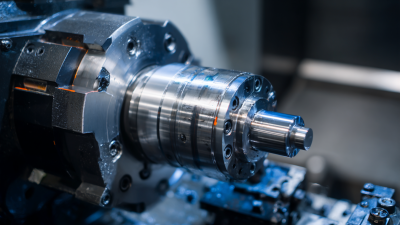
Bearing locks play a vital role in ensuring the stability and precision of machinery. Understanding the various types available can help you choose the best solution for your needs. Common types include shaft locks, set screws, and key locks. Each option has its unique advantages and applications.
Shaft locks offer a simple yet effective way to secure bearings on a shaft. They are easy to install and remove. Set screws provide additional security by clamping down on the shaft. However, they might wear out over time and lose effectiveness. Key locks, on the other hand, offer enhanced security for high-load applications. They provide a robust connection but can be more complex to install and maintain.
Tips: When selecting a bearing lock, consider the operating environment. Vibrations can impact performance. Regular checks should be part of your maintenance routine. Also, analyze the load requirements of your application. Not every lock is suitable for heavy-duty tasks. Always ensure that the chosen lock aligns with your specific needs. Taking these factors into account can lead to improved reliability and reduced downtime.
Factors to Consider When Choosing Bearing Lock Solutions
When selecting bearing lock solutions, several factors must be considered. First, the environment where the bearings will operate plays a critical role. Exposure to moisture or dust may require specific materials that enhance durability. Temperature extremes can also affect the performance of certain locking mechanisms. Evaluating these conditions ensures that the selected solution meets the application's demands.
Tip: Always assess the unique operational environment. Choosing the right material can enhance longevity.
Another important consideration is the load capacity of the bearing lock. Different applications require varying levels of strength and resistance to vibration. A thorough understanding of the operational load will guide the selection process. It is advisable to opt for a solution that exceeds the estimated requirements for optimal safety.
Tip: Consult with experts when unsure. They can provide insights into load calculations and recommend suitable options.
Finally, installation ease should not be overlooked. Complex installation procedures can lead to errors and downtime. A simple locking solution can save time and reduce the risk of mistakes. Regularly revisiting and reflecting on current practices could highlight areas for improvement.
Installation and Maintenance Tips for Optimal Bearing Lock Performance
Proper installation and maintenance of bearing lock solutions are critical for achieving reliable performance. Begin by ensuring that the surfaces where the bearing locks will be installed are clean and free from contaminants. Dust and debris can impact the effectiveness of the lock. Use a clean cloth and suitable cleaning agent to wipe the components thoroughly. A meticulous approach here can save future headaches.
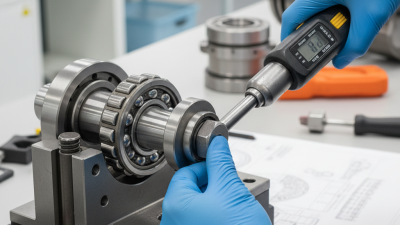
During installation, follow the recommended torque specifications provided by manufacturers. Over-tightening may lead to premature wear or failure. Similarly, under-tightening can cause slippage and potential system failures. After installation, regular inspections are key. Check for signs of wear or misalignment. A visual inspection can help identify issues before they escalate. You might notice minor developments that require attention but could be overlooked in a rushed check.
Listening to feedback from operators can also be beneficial. They may report unusual noises or vibrations. These signals can guide timely interventions. Reflect on past maintenance routines. If you’ve encountered problems, consider adjusting schedules or procedures. Better practices often come from recognizing earlier mistakes and learning from them. Always aim for continuous improvement in your bearing lock application.
Real-World Applications: Case Studies of Effective Bearing Lock Use
Bearing locks are essential in various industries. They provide security and reliability in machinery, reducing failure rates. Real-world applications showcase how these locks enhance performance in diverse settings.
In a case study involving a manufacturing facility, engineers faced frequent machine malfunctions. The root cause was loose shafts. Implementing a bearing lock system significantly improved operational stability. Downtime reduced by 40% after introducing this solution.
Consider these tips for effective bearing lock use: always assess your machinery's needs. Choose a lock design that fits perfectly. Regular inspection helps catch early signs of wear. This proactive approach can prevent costly repairs and enhance safety.
Another case study includes wind turbine operations. Here, locking mechanisms maintained blade stability amid harsh conditions. Engineers learned that different environments require tailored locking solutions. It's essential to adapt strategies based on specific challenges faced in unique operational contexts.
Integrating bearing locks can transform reliability. Reflecting on best practices ensures long-term success. Recognizing the value of tailored solutions can drive efficiency in any application.