Why Choose Rotating Bearings for Optimal Performance?
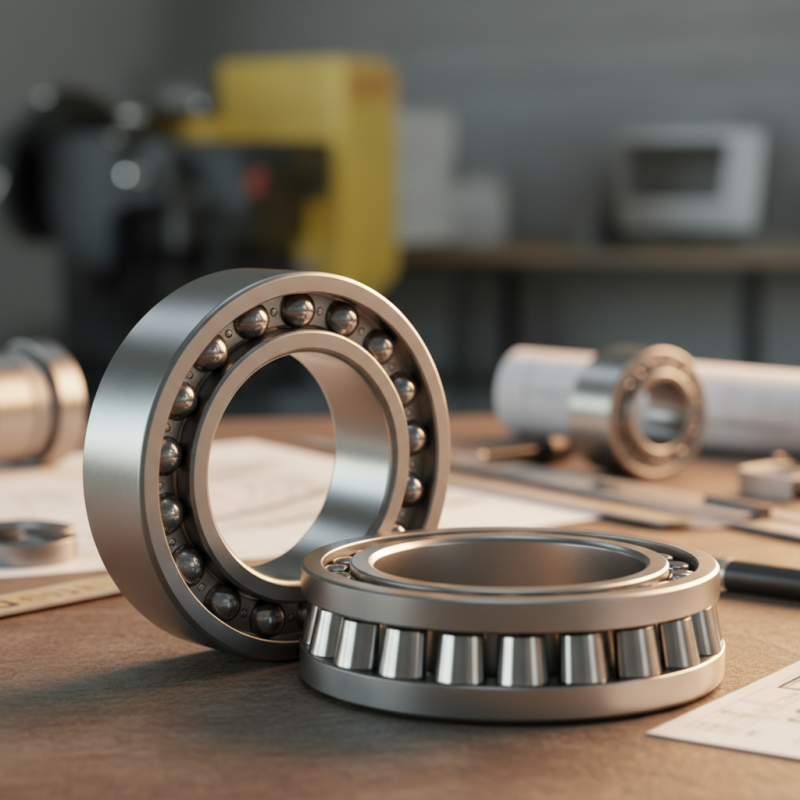
Choosing the right components for machinery is critical. Rotating bearings play a pivotal role in enhancing performance. These components are essential for efficient movement and load distribution.
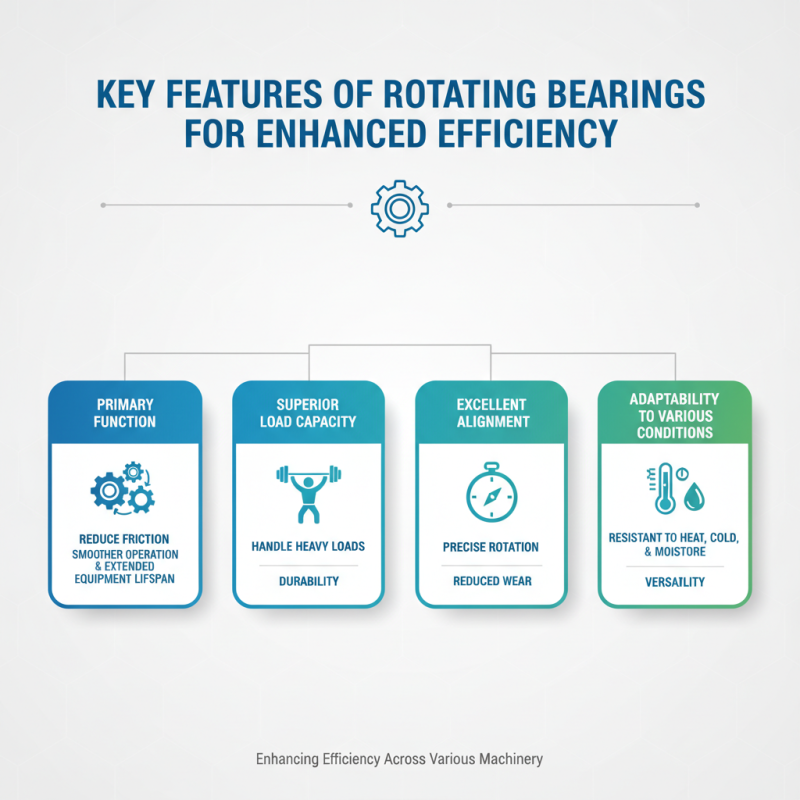
Rotating bearings reduce friction in various applications. They support both radial and axial loads. This versatility makes them suitable for different industries, from automotive to aerospace. However, not all rotating bearings are created equal. Some designs may not perform well under heavy loads or extreme temperatures.
When investing in rotating bearings, consider their manufacturing quality. Reliable suppliers will provide detailed specifications and performance data. Understanding the unique needs of your machinery is also crucial. Shallow knowledge can lead to poor choices. Therefore, assess your applications carefully before making a decision.
Benefits of Rotating Bearings in Mechanical Systems
Rotating bearings play a crucial role in the performance of mechanical systems. Their design allows for smooth motion, enabling the efficient transfer of loads. According to a report by the American Bearing Manufacturers Association, rotating bearings reduce friction by up to 90%. This reduction not only improves energy efficiency but also enhances the lifespan of machines.
In industrial applications, the reliability of rotating bearings is paramount. A study from the International Journal of Mechanical Sciences indicates that systems using high-quality bearings experience up to 30% less downtime due to maintenance. This is significant in sectors where equipment failure can lead to costly disruptions. However, the selection of the wrong type of bearing can compromise performance and safety. Inadequate lubrication or improper installation can lead to premature wear.
The benefits of rotating bearings extend beyond just mechanical systems. They contribute to noise reduction and improve overall operational comfort. However, users must be aware that not all bearings are created equal. Material quality and environmental conditions can greatly affect performance. Regular inspection and maintenance are essential to ensure optimal function. Balancing quality with application requirements is a challenge that manufacturers and users must navigate carefully.
Why Choose Rotating Bearings for Optimal Performance? - Benefits of Rotating Bearings in Mechanical Systems
| Feature |
Description |
Benefit |
| Reduced Friction |
Rotating bearings are designed to minimize friction between moving parts. |
Increased efficiency and reduced energy consumption. |
| Long Service Life |
High-quality materials and precision engineering enhance durability. |
Lower replacement and maintenance costs over time. |
| Versatility |
Can be used in various applications from automotive to industrial machines. |
Flexibility to adapt to different mechanical systems. |
| Load Distribution |
Rotating bearings evenly distribute loads across their surfaces. |
Minimized wear and longer-lasting components. |
| Noise Reduction |
Engineered to operate with less vibration and noise. |
Improved working environment and enhanced user comfort. |
Applications of Rotating Bearings in Various Industries
Rotating bearings play a crucial role across numerous industries. In the automotive sector, they are used in engines, transmissions, and wheels. According to a 2022 report by the Automotive Engineering Society, nearly 70% of all vehicle types rely on rotating bearings for smooth operation. This reliance significantly enhances both performance and durability, leading to longer vehicle lifespans.
In the industrial realm, rotating bearings are vital for machinery in manufacturing plants. For instance, in textile production, they support high-speed spindles for spinning yarn. A study published by the Industrial Machinery Association highlights that proper bearing selection can improve machine efficiency by up to 30%. However, improper bearing maintenance can lead to frequent breakdowns, posing a risk to productivity.
The aerospace industry also depends heavily on rotating bearings. They ensure reliability in aircraft engines and landing gear systems. A recent analysis by the Aerospace Technology Institute noted that about 80% of all aviation failures can be traced back to bearing issues. This statistic underscores the necessity for rigorous testing and quality control in the manufacturing process. It prompts reflection on how critical the right choice of bearings is for safety and performance.
Comparison of Rotating Bearings with Other Bearing Types
Rotating bearings are increasingly favored in industrial applications due to their unique advantages. Unlike plain bearings or other types, rotating bearings boast higher load capacities and improved speed capabilities. According to a report by the American Bearing Manufacturers Association, rotating bearings can handle up to 30% more load than plain journal bearings under similar conditions.
Rotating bearings also excel in terms of efficiency. Data from the International Organization for Standardization (ISO) indicates that they reduce friction by 15% compared to other bearing types. This reduction in friction not only enhances performance but also prolongs the lifespan of machinery components. In sectors where efficiency is crucial, such as aerospace and automotive, rotating bearings are often the preferred choice.
**Tip:** Regular maintenance of rotating bearings is essential. Check for signs of wear or damage early to avoid costly downtime.
Despite their benefits, rotating bearings have some drawbacks. They can be more expensive upfront than other bearing types. Additionally, they require precise lubrication practices to function optimally. Neglecting such practices can lead to premature failure. Understanding these factors is critical for making informed choices in bearing selection.
**Tip:** Ensure your lubrication system is regularly inspected. This will help maintain optimal performance and reliability.
Performance Comparison of Rotating Bearings with Other Bearing Types
This chart illustrates the load capacity of various types of bearings, highlighting the superior performance of rotating bearings compared to ball bearings, roller bearings, and magnetic bearings.
Maintenance Tips for Maximizing Rotating Bearings Performance
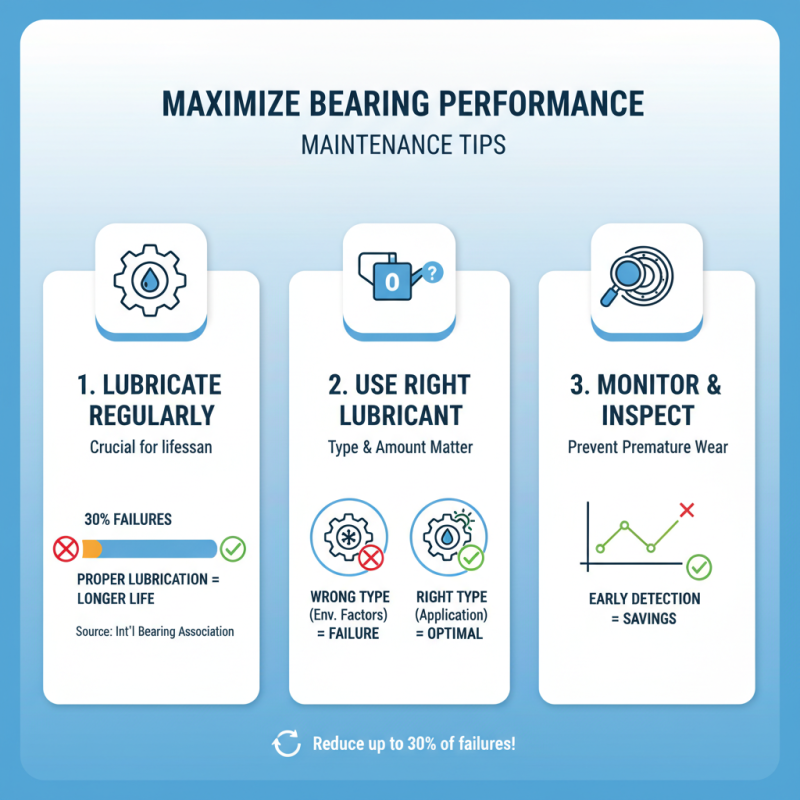
Proper maintenance of rotating bearings is crucial for optimal performance in machinery. According to a report by the International Bearing Association, up to 30% of rotating bearing failures stem from inadequate maintenance. Regular lubrication is essential; using the right type and amount of lubricant can extend the lifespan significantly. For instance, grease considered optimal in one application might lead to premature failure in another due to environmental factors.
Monitoring operating temperatures can prevent issues. Data from the Bearings and Power Transmission division shows that a temperature increase of just 10 degrees Celsius can halve the bearing life. Regular checks ensure that any anomalies are addressed promptly. This practice is invaluable, particularly in high-load scenarios where neglect can result in costly downtimes.
Visual inspections play an important role as well. Observing signs of wear or unusual noise can be the first line of defense against failure. Reports indicate that these proactive measures increase reliability. However, it’s important to recognize that even with the best practices, the complex nature of modern machinery means that unexpected failures can still occur. This highlights the need for continuous learning and adaptation in maintenance strategies.