How to Optimize Bearing Design for Global Sourcing Needs?
In today's competitive market, effective bearing design is essential for global sourcing. Companies face unique challenges when aligning their designs with international standards. Understanding local regulations, manufacturing capabilities, and material availability is crucial.
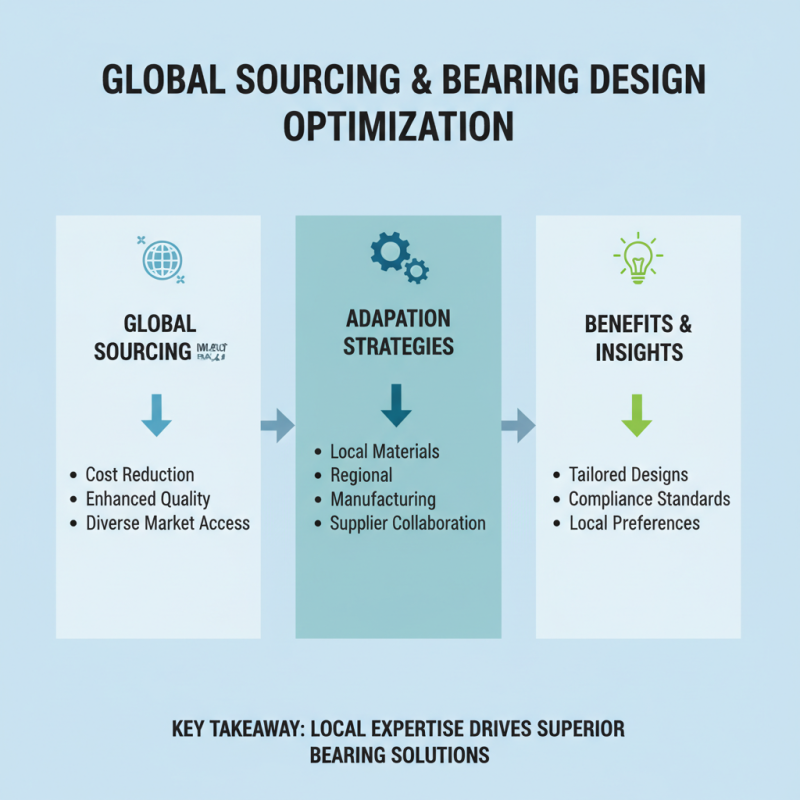
Crafting a robust bearing design that meets global needs requires versatile strategies. Designers must consider the entire supply chain. This includes sourcing high-quality materials while keeping costs manageable. Engaging with local suppliers can often provide insights into regional variations in demand and technology.
However, not all designs succeed when scaled globally. Discrepancies in specifications or unforeseen production challenges can lead to failures. Continuous evaluation and adaptability are vital. A well-optimized bearing design not only enhances performance but also reflects sound sourcing strategies. Balancing innovation with practicality remains a constant challenge in this evolving landscape.

Understanding Global Sourcing Trends in Bearing Design Optimization
Global sourcing has a significant impact on bearing design optimization. Companies are adapting to diverse market needs. They must consider local materials and manufacturing capabilities. This approach not only reduces costs but also enhances quality. Local suppliers can offer insights into regional preferences and compliance standards. Understanding these dynamics is essential for effective design.
The rise of digital tools is transforming how designers approach global sourcing. Data analytics can identify trends in material performance and durability. Designers are now more equipped to choose the right components. This shift encourages deeper collaboration between producers and engineers. However, challenges remain. Cultural differences may affect communication and expectations. Misalignment can lead to design flaws.
Balancing cost, quality, and efficiency is a persistent concern. Sometimes, low-cost options may compromise longevity. Designers must continuously evaluate their choices. Seeking feedback from local partners can reveal unforeseen issues. Reflecting on these aspects can lead to better decision-making. Embracing a holistic view of global sourcing in bearing design is crucial.
Key Considerations for Material Selection in Global Bearing Sourcing
When it comes to global bearing sourcing, material selection is crucial. The right materials can significantly impact performance and longevity. According to the Bearing Manufacturers Association, nearly 35% of premature bearing failures stem from improper material choice. High-performance alloys, ceramics, or polymers might be necessary to meet specific application requirements. Understanding the mechanical properties and environmental tolerance of these materials is essential for optimized designs.
Tip: Always evaluate the specific operational conditions of your application. Factors such as temperature, load capacity, and speed can greatly influence material performance. For instance, certain polymers perform well at high speeds but may not withstand extreme temperatures.
Selecting the appropriate surface treatment can also enhance performance. Coatings like nitriding or hardening improve wear resistance, affecting lifespan. However, manufacturers must consider cost implications. In a competitive global market, balancing quality and expense is vital. A cheaper material may lead to higher replacement rates, ultimately increasing costs.
Tip: Collaborate with material scientists or engineers who specialize in bearings. Their insights can reveal potential issues before they become costly problems. It's essential to prioritize robust testing processes to validate your choices before large-scale implementation.
Analyzing Cost Efficiency in Bearing Manufacturing for Global Markets
In today's global market, cost efficiency is paramount in bearing manufacturing. Companies need to analyze production processes to reduce expenses without sacrificing quality. A detailed assessment of material costs, labor expenses, and overhead can reveal hidden savings. Many manufacturers overlook local sourcing possibilities. Utilizing local suppliers can cut shipping costs and lead times, adding to efficiency.
However, there are challenges in cost optimization. Balancing quality and price can be tricky. Cheaper materials may lead to decreased performance and increased failure rates. Manufacturers must consider long-term implications. Investing in better materials now can save on future repairs and replacements. The key is to find a sweet spot that maintains quality while reducing costs.
Additionally, relying solely on one sourcing strategy can be risky. It may create vulnerabilities in the supply chain. Diversifying suppliers across regions can help mitigate risks like geopolitical tensions or natural disasters. A well-rounded approach is essential. It's important to continuously reevaluate sourcing strategies to stay competitive.
Sustainability Factors Impacting Bearing Design and Global Sourcing
When considering sustainability in bearing design, it’s crucial to evaluate material choices. Select materials that minimize environmental impact, like recycled metals. Every component must align with eco-friendly practices to contribute to a sustainable lifecycle. It's not just about performance; it's about how these components interact with the planet.
Tips: Use software tools for design simulations. They can predict how changes affect materials and performance. Engage with suppliers who prioritize sustainability.
Another critical aspect is energy efficiency. Bearings that reduce friction can lead to lower energy consumption in machinery. This reduces costs and minimizes carbon footprints. However, not all designs achieve the best efficiency. Continuous testing is essential to identify potential improvements.
Tips: Regularly assess your designs against industry sustainability benchmarks. This can reveal gaps and inspire innovation. Collaborate with environmental experts to refine your approach.
Leveraging Technology for Enhanced Bearing Design in a Global Supply Chain
In the quest for optimizing bearing design, technology plays a transformative role. Advanced software tools enable engineers to simulate various design scenarios. These simulations not only speed up the development process but also enhance performance metrics. Incorporating data analytics can identify the ideal materials for specific applications, helping companies maintain a competitive edge.
Tips: Embrace simulation software to refine designs. This can reduce costs and time. Look into data analytics to predict performance in various conditions. This approach can lead to informed decisions.
Collaboration across global teams is essential. Virtual platforms allow for real-time communication and feedback. However, challenges remain in aligning different standards and practices. Exploring cloud-based solutions can streamline this process but may require adaptation to new workflows.
Tips: Foster regular team meetings to align objectives. Build a repository of best practices for easy access. This helps everyone stay on the same page, despite geographical distances.