Top 5 Tips for Choosing Industrial Turntable Bearings?
Choosing the right Industrial Turntable Bearing is crucial for optimal performance in various applications. These components support heavy loads and require precision engineering. Selecting the best bearing can seem daunting, especially with numerous factors to consider.
In this guide, we will share valuable tips to help you navigate the selection process. Understanding compatibility with machinery is essential. Also, the bearing's load capacity and durability play significant roles. Manufacturers often advertise their products, but it's vital to check reviews and expert opinions. The right choice can improve efficiency and extend equipment life.
However, not all bearings are created equal. The market is filled with options, and pitfalls exist. You may encounter bearings that fail prematurely or don't meet specifications. Reflect on your specific needs and challenges. This approach will lead to better decision-making in choosing an Industrial Turntable Bearing that truly meets your requirements.
Understanding the Types of Industrial Turntable Bearings Available Today
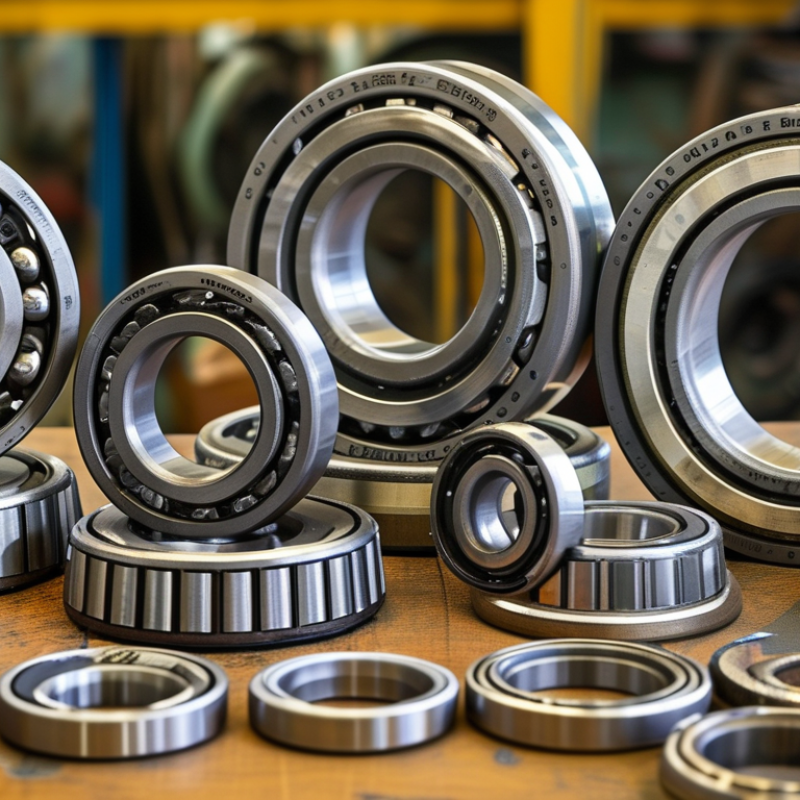
When selecting industrial turntable bearings, it's essential to understand the types available today. There are several designs, each suited for specific applications. Common types include single-row ball bearings, double-row ball bearings, and roller bearings. Each design offers unique advantages that cater to different load capacities and rotational speeds.
Single-row ball bearings are ideal for lighter loads. They provide smooth movement and are easy to install. In contrast, double-row ball bearings offer enhanced load distribution. They can handle heavier weights, making them suitable for more demanding tasks. Roller bearings can support significant radial loads. However, their installation may require more precision, which complicates the process at times.
It's critical to evaluate the working environment when choosing a bearing type. Factors like temperature, exposure to contaminants, and load conditions can significantly impact performance. Sometimes, the perfect bearing isn't immediately obvious. An over-engineered solution might complicate matters. A simple, straightforward design can meet specific needs effectively. Consider all these factors carefully before making your choice.
Top 5 Tips for Choosing Industrial Turntable Bearings
Evaluating Load Capacities: How to Choose the Right Bearing Size
When selecting industrial turntable bearings, evaluating load capacities is crucial. The right bearing size influences both performance and safety. According to industry reports, incorrectly sized bearings can result in early failure, leading to costly downtime. A study highlighted that 30% of bearing failures stem from improper load assessment.
Each application has unique requirements. The operating environment, load type, and frequency of use all impact load capacity. For instance, heavy-duty applications may require bearings with greater load ratings, while lighter tasks can utilize more compact models. A recent analysis showed that bearings designed to handle dynamic loads performed significantly better in high-traffic scenarios.
Consideration of environmental factors also matters. Temperature fluctuations, moisture, and contamination can affect bearing performance. Adequate lubrication and protective seals are essential, yet overly complex designs can complicate maintenance. Striving for simplicity may enhance longevity. Decisions should involve weighing load capacities against the operational conditions, ensuring that the selected bearing meets the demands of the application while remaining cost-effective.
Material Considerations: Selecting the Best Bearings for Durability
When selecting industrial turntable bearings, material choice is critical for ensuring durability and performance. Common materials include stainless steel, polymer, and bronze. Each has its unique benefits and drawbacks.
Stainless steel is popular for its corrosion resistance, but it may not be the most cost-effective option for every application.
Polymer bearings offer lightweight and lower friction but can lack the strength of metal counterparts. Sometimes, only mechanical load testing reveals the true performance of these materials. It’s essential to consider the operating environment, such as exposure to chemicals or extreme temperatures. Testing your material choices in real-life conditions can lead to unexpected results.
Choosing the right bearing also involves understanding surface conditions and load capacities. It’s easy to overlook wear and tear over time, which can lead to premature failures. Balancing the right material with ongoing maintenance checks is vital. In practice, constant evaluation often helps enhance the lifespan of your turntable bearings. This aspect can significantly influence your operations and lead to better overall machinery performance.
Assessing Operational Conditions: Temperature and Environment Factors
When selecting industrial turntable bearings, understanding operational conditions is crucial.
Temperature significantly impacts the performance and lifespan of bearings. For example, extreme heat can lead to overheating. It causes lubricants to break down. This degradation can increase friction and reduce efficiency. Conversely, very low temperatures can cause materials to become brittle. Fractures can occur if these bearings are not designed for such extremes.
Environmental factors also play a major role. Dust, moisture, and corrosive elements can shorten a bearing's service life. For instances where exposure is unavoidable, protective seals or coatings should be considered. Proper installation and maintenance can further mitigate these risks. However, many overlook routine checks, leading to unexpected failures.
Choosing bearings without considering these conditions can be shortsighted. Real-world applications often present challenges that specifications may not fully describe. Investing time in understanding and assessing these factors can save money and increase productivity in the long run. Ensure to gather as much information as possible regarding the environment where the bearings will operate. It's vital for making informed decisions.
Recognizing Cost vs. Quality: Balancing Budget with Performance Needs
When selecting industrial turntable bearings, cost and quality are often at odds. Many buyers focus solely on price, hoping to save money. However, opting for cheaper options can lead to increased maintenance and shorter lifespan. Balancing budget with performance needs requires careful consideration. Think about the long-term costs associated with low-quality bearings. They often do not perform well under high loads or in harsh environments.
Quality bearings improve equipment reliability. They last longer and decrease the need for replacements. It’s crucial to understand the specific application of the bearings. What are the load requirements? Will they face extreme temperatures or environmental factors? Each factor influences performance. Investing in high-quality bearings can reduce downtime and repair costs in the long run.
Some users may find themselves torn between their budget and operational needs. Thinking about the total cost of ownership can help. A lower initial investment often leads to higher operational costs later. Reflecting on past experiences with failed components may reveal the importance of choosing wisely. Ultimately, the right balance ensures efficiency and performance are maintained.
Top 5 Tips for Choosing Industrial Turntable Bearings
| Tip |
Description |
Cost Consideration |
Performance Impact |
| 1. Assess Load Capacity |
Choose bearings that can handle the maximum load for your application. |
Higher load capacity may increase costs. |
Using inadequate capacity can lead to premature failure. |
| 2. Determine Operating Conditions |
Consider temperature, humidity, and exposure to chemicals. |
Specialized materials may cost more. |
Environmentally unsuitable bearings may fail quickly. |
| 3. Evaluate Speed Requirements |
Select bearings based on the maximum and minimum speeds of operation. |
High-speed bearings may be more expensive. |
Improper speed ratings can lead to overheating and failure. |
| 4. Consider Maintenance Needs |
Look for bearings that require minimal maintenance or are self-lubricating. |
Less maintenance may justify a higher upfront cost. |
Frequent maintenance can disrupt operations and raise costs. |
| 5. Research Supplier Reputation |
Choose suppliers with a strong track record in quality and service. |
Renowned suppliers may have premium pricing. |
Quality issues can lead to downtime and additional costs. |