Essential Tips for Choosing the Right Angular Bearing?
Choosing the right Angular Bearing is crucial for ensuring operational efficiency in various applications. According to the "2023 Global Bearing Market Report," the demand for precision bearings, including Angular Bearings, has surged by 15% in the last year alone. Industry expert Dr. Emily Chen, a well-respected mechanical engineer, states, "Selecting the right Angular Bearing can dramatically impact machinery performance and lifespan."
Angular Bearings are designed for applications requiring high radial loads combined with axial loads. This specialized design allows for better handling of thrust and rotational movement. However, the selection process can be overwhelming due to various types and specifications. A common pitfall is assuming that all Angular Bearings are interchangeable, which is often far from the truth. Each application may have unique requirements, necessitating careful consideration of factors like load ratings, material, and design.
Understanding these elements is paramount to making informed decisions. While data provides clear guidance, the complexity of mechanical systems often demands expert insights. If overlooked, the wrong choice can lead to mechanical failures. This can cause delays and increased costs, emphasizing the importance of thorough research in Angular Bearing selection.
Understanding Angular Bearings and Their Applications
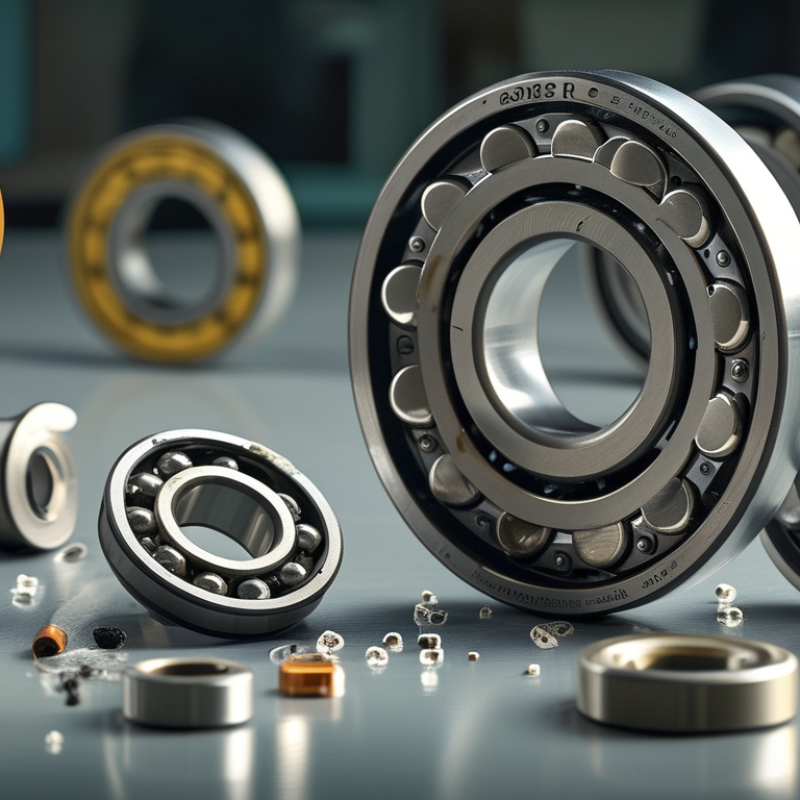
Angular bearings play a crucial role in many mechanical systems. They are designed to support both axial and radial loads, making them versatile. These bearings are often found in applications such as automotive steering systems, machine tool spindles, and robotics. Their unique configuration allows them to handle forces at an angle, increasing efficiency.
When selecting angular bearings, it's essential to understand their specific applications. Factors such as load capacity, speed, and operating environment greatly influence the choice. Angular bearings can vary in design, including ball types and roller types. Not all designs will suit every application.
Consider the material and sealing options as well. These factors impact durability and performance. In harsh environments, bearings must withstand dust and moisture. However, even the best bearings can fail if not monitored properly. Regular inspections can help identify wear before it leads to broader issues. Reflecting on these details will ensure a better choice when selecting angular bearings for your needs.
Key Factors to Consider When Selecting Angular Bearings
When selecting angular bearings, key factors can define your choice effectively. The load capacity is paramount. Ensure that the bearing can handle the forces it will face. Consider both radial and axial loads. Miscalculating these can lead to early failure, necessitating costly replacements.
Another important aspect is the material composition. Bearings come in various materials like steel and ceramic. Each material has its strengths and weaknesses. Steel bearings are generally durable, while ceramic ones reduce friction and heat. Analyze your application’s specific requirements to make an informed decision.
Tip: Always check the bearing's tolerance and precision. Poor tolerance can lead to imprecise movement and increased wear. It's crucial to match the bearing’s specifications with your equipment. Remember, keeping a record of your choices can provide insights for future selections.
Essential Tips for Choosing the Right Angular Bearing
| Factor |
Description |
Importance Level |
| Load Rating |
The maximum load that the bearing can support without failure. |
High |
| Material |
The type of material used influences durability and performance. |
Medium |
| Precision Class |
Specifies the tolerances and overall performance capability of the bearing. |
High |
| Operating Temperature |
The range of temperatures in which the bearing can operate effectively. |
Medium |
| Sealing Type |
Determines the level of protection against contaminants and lubricants. |
High |
| Installation Space |
The available space for installation can affect bearing size selection. |
Medium |
| Compatibility with Shaft |
Ensure that the bearing fits properly with the shaft dimensions. |
High |
Material Selection for Angular Bearings: Pros and Cons
When selecting materials for angular bearings, understanding the pros and cons is vital. Common materials include steel, ceramics, and polymers. Steel provides excellent strength but can be prone to corrosion. Ceramics offer exceptional wear resistance but can be brittle. Polymers, while lightweight and resistant to certain chemicals, may not handle heavy loads well.
Consider the application requirements. High-speed operations often require materials that can withstand heat. For such cases, steel or certain ceramics may be ideal. However, if the environment is corrosive, polymers might be a better option. Testing your choices can reveal performance insights that theory alone cannot provide. Real-world conditions can highlight weaknesses in material performance.
It’s also essential to evaluate the cost versus benefits. The cheapest option may not always be the best long-term solution. An expensive material could save costs through durability and reduced maintenance. Remember to assess your specific needs and reflect on the material's long-term viability in your application. This careful consideration can prevent unforeseen failures and enhance the overall reliability of your angular bearings.
Material Selection for Angular Bearings: Pros and Cons
Maintenance Tips to Enhance Angular Bearing Performance
When it comes to maintaining angular bearings, regular upkeep is crucial. Proper lubrication can significantly enhance performance. Make sure to use the recommended type of lubricant. It's vital to check the lubrication level periodically. Over-lubrication can lead to excess heat and wear.
Another key aspect is cleanliness. Contaminants can cause unnecessary friction. It's advisable to inspect the bearings regularly for dust or debris. Cleanup should be done with care to avoid damage. A clean bearing operates smoothly and lasts longer.
Monitoring temperature is also essential. High operating temperatures may indicate problems. This could include misalignment or insufficient lubrication. Regular temperature checks can help identify issues early. Reflect on these practices to improve the longevity and reliability of angular bearings.
Common Mistakes to Avoid When Choosing Angular Bearings
When selecting angular bearings, many engineers inadvertently overlook critical factors. One common mistake is not considering load ratings. According to industry reports, up to 30% of failures stem from inadequate load capacity. It's essential to match the bearing's load rating to your specific application.
Another frequent oversight is ignoring the environment in which the bearing will operate. High temperatures, contamination, and moisture can severely impact performance and lifespan. A survey found that nearly 40% of premature failures result from environmental neglect. Engineers often must consult material compatibility charts to ensure the bearings can withstand external conditions.
Precision in installation is also vital. Improper alignment can lead to unnecessary friction and heat. Statistics reveal that improper installation contributes to 25% of bearing failures. Many professionals underestimate the importance of installation techniques, leading to costly mistakes. Taking the time to analyze these factors thoroughly can prevent potential issues and improve overall reliability.