Top Bearing Lock Types for Effective Machinery Protection?
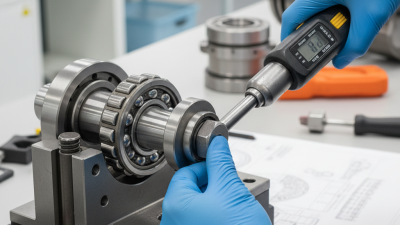
In the realm of machinery protection, understanding the various types of Bearing Locks is essential. These components play a crucial role in preventing unexpected failures. A well-chosen Bearing Lock can enhance machine reliability and extend operational life. Failure to implement effective Bearing Locks can lead to significant downtime and costly repairs.
Different industries have unique requirements for Bearing Locks. For instance, harsh environments demand robust locking systems. These systems must withstand vibration, shock, and extreme temperatures. When evaluating options, consider factors like installation ease and maintenance needs. These might seem minor, but overlooking them can lead to future complications.
Investing time in selecting the right Bearing Lock can make a difference. Understanding the strengths and weaknesses of each type is vital. Sometimes, the perfect solution is not immediately clear. Continuous assessment and adaptation are crucial for optimum performance. Various factors should guide your decisions. Each choice should reflect both expertise and practical insights gathered over time.
Understanding Bearing Locks: Definition and Importance
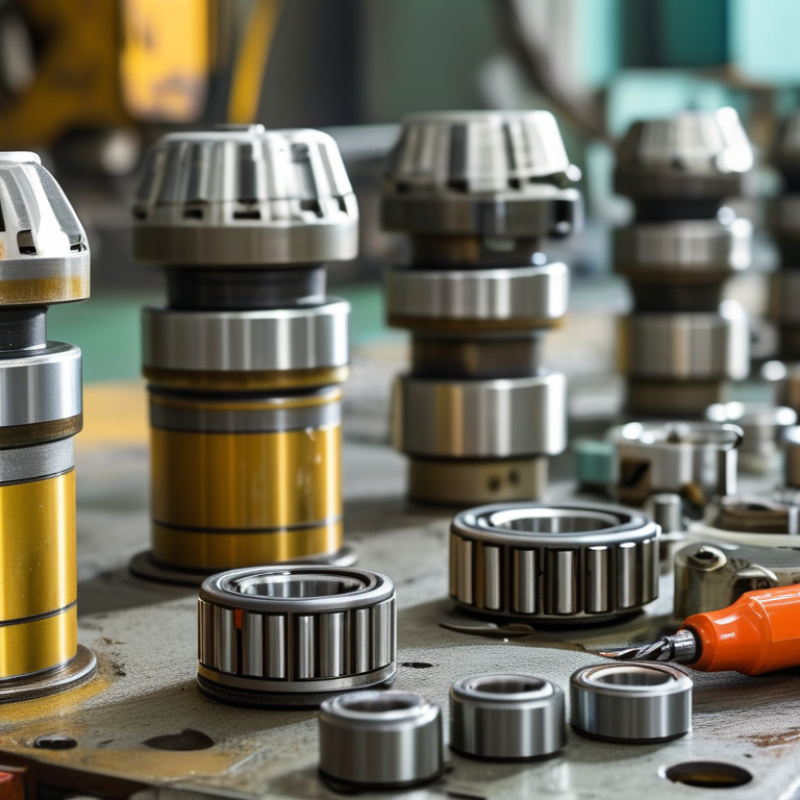
Bearing locks play a crucial role in machinery protection. They ensure that bearings remain securely in place during operation. Properly locking bearings can prevent excessive wear and potential failure. Studies show that machinery failures often occur due to inadequate bearing support. Approximately 30% of all mechanical failures are attributed to bearing issues.
Understanding the importance of bearing locks can enhance equipment reliability. A report from the Machinery Maintenance Association indicates that using reliable bearing locks can decrease maintenance costs by up to 20%. Knowledge of lock types, such as friction, interference, and set screw locks, contributes to effective machinery operation. Choosing the right lock type is crucial; incorrect choices can lead to unexpected downtimes.
While the advantages of bearing locks are clear, there are challenges to consider. Misalignment during installation can lead to malfunction. Furthermore, over-tightening locks may damage the bearings. Regular inspection and adjustment are necessary to prevent these issues. Failing to do so can have costly consequences, emphasizing the need for proper training and knowledge in bearing lock applications.
Top Bearing Lock Types for Effective Machinery Protection
This chart illustrates the effectiveness rating of various bearing lock types used for machinery protection. Each type is rated on a scale from 1 to 10, showing their overall performance in preventing bearing failure. The ratings can help in selecting the most suitable bearing lock for specific machinery needs.
Common Types of Bearing Locks and Their Applications
Bearing locks play a crucial role in machinery protection, ensuring components stay secure during operation. Various types of bearing locks are designed for specific applications. These locks help prevent misalignment and can extend the lifespan of machinery.
Set screw locks are commonly used in many industries. They provide a tight grip on the shaft. However, they can sometimes lead to shaft damage if not applied carefully. Another popular option is the concentric locking device. This type allows for uniform load distribution, minimizing stress on the shaft.
On the other hand, bearing locking collars are easier to install. They provide solid support for bearings. Yet, they require precise alignment, which can be challenging in some setups. Understanding the strengths and weaknesses of these locks is vital for ensuring optimal machine performance. Operators must consider the specific needs of their equipment when selecting locking types.
Factors to Consider When Choosing Bearing Lock Types
When choosing the right bearing lock type, several critical factors come into play. The
load capacity of the bearing is paramount.
Industry studies indicate that improper locking can lead to a significant decrease in the
lifespan of equipment. A staggering
30% of machinery failures are linked to
bearing issues. Understanding the specific application
conditions is also essential. For instance, running speeds and temperatures can influence
which lock type will hold up best.
Installation ease should not be overlooked. Some types require complex setups. This adds time and
labor costs to a project. A recent survey found that
40% of maintenance personnel felt they
lacked adequate training in bearing lock installation. This gap can lead to errors, potentially
resulting in future machinery issues. Furthermore, environmental conditions must be considered.
Vibrations,
contaminants, and
moisture can greatly impact the effectiveness
of bearing locks. A careful assessment of these factors ensures better machinery protection.
Installation and Maintenance Best Practices for Bearing Locks
Bearing locks play a crucial role in protecting machinery from potential failures. Proper installation and maintenance of these locks are vital in ensuring longevity and operational efficiency. According to a recent report from the Machinery Reliability Engineering Association, up to 30% of machinery failures can be attributed to inadequate bearing maintenance. This statistic underscores the need for a meticulous approach when handling bearings.
Regular inspections are essential. Check for signs of wear and ensure proper alignment. A neglected bearing lock can lead to misalignment, increasing the risk of catastrophic failure. It’s advisable to use vibration analysis techniques to monitor the condition of your bearings. These methods can catch issues before they escalate, providing valuable data for preventive measures.
**Tips: Use the right tools.** Using improper tools can cause damage to bearing locks. Additionally, always refer to the manufacturer’s specifications, as recommendations can differ. Periodic lubrication is crucial. However, over-lubrication can attract contamination, which may hinder performance. Ensure lubrication intervals are based on operational conditions. Always maintain a record of maintenance activities to track performance and identify trends.
Safety and Efficiency Benefits of Proper Bearing Lock Usage
Proper bearing lock usage is crucial for machinery safety and efficiency. In heavy machinery, up to 60% of mechanical failures stem from inadequate locking methods. This statistic emphasizes the need for reliable bearing locks. Incorrect or ineffective locks may result in misalignment, leading to component wear and breakdown.
The impact of proper locking mechanisms goes beyond mere safety. According to a 2022 industry report, efficient bearing locks can improve machinery lifespan by 20% or more. This reduces maintenance costs and unexpected downtimes. Industries that prioritize correct lock usage experience fewer operational disruptions. Those who overlook this often face significant financial losses.
It's essential to recognize that not all locks are equal. Each type has specific applications and limitations. Some locks might not suit every environment. Identifying the right type involves understanding the machinery's demands. Investing time in selecting the proper bearings can yield substantial returns in the long run.
Top Bearing Lock Types for Effective Machinery Protection
| Bearing Lock Type |
Material |
Application |
Safety Benefits |
Efficiency Benefits |
| Set Screw |
Steel |
Light to Medium Load Equipment |
Prevents axial movement |
Quick installation |
| Adapter Sleeve |
Aluminum |
Heavy Machinery |
Reduces risk of misalignment |
Enhanced load distribution |
| Lock Nut |
Cast Iron |
Rotating Equipment |
Prevention of unintended loosening |
Improved operational reliability |
| Collar Type |
Stainless Steel |
Corrosive Environments |
Protects against environmental damage |
Longer service life |
| Split Pin |
Bronze |
Lightweight Machinery |
Simple yet effective locking |
Low maintenance requirement |