Top Reasons to Choose the Best Bearing Lock Solutions?
In the industrial sector, the importance of reliable Bearing Lock solutions cannot be overstated. A recent market analysis by Bearings International indicates that the global bearing lock market is projected to grow by 5% annually over the next five years. This growth highlights the rising demand for effective and durable locking mechanisms in various machinery applications. Industry experts emphasize that robust bearing locks can significantly extend equipment life and reduce maintenance costs.
Dr. James Patel, a renowned expert in mechanical engineering, once stated, “Choosing the right Bearing Lock is crucial for optimal operational efficiency.” His insight reflects the consensus among professionals who recognize the profound impact of these components on productivity and safety. However, not all Bearing Lock solutions meet the highest standards. Inadequate locks can lead to performance issues or equipment failures, potentially causing severe operational downtimes.
It is essential to evaluate various factors when selecting bearing lock solutions, including material quality, compatibility, and ease of installation. Many companies overlook these aspects, resulting in costly mistakes. Investing time in research and choosing the best Bearing Lock can yield significant long-term benefits for any engineering project.
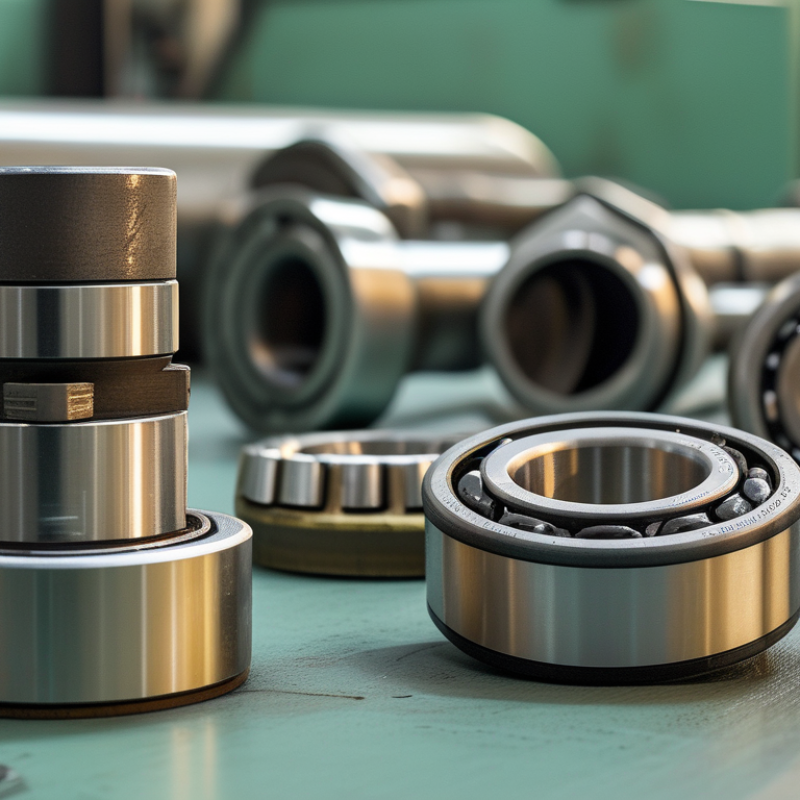
Understanding Bearing Lock Solutions and Their Importance
Bearing lock solutions are essential in various industries. They ensure the stability of rotating components, reducing the risk of mechanical failure. A reliable bearing lock prevents unwanted movement, maintaining the precision of machinery. This is particularly important in applications requiring high speed and accuracy.
Understanding how these solutions work can help in selecting the right system for specific needs. Various designs are available, such as setscrew locks, tapered shafts, and locking collars. Each has unique advantages that suit different machinery types. For example, setscrew locks offer simplicity, while tapered shafts provide higher resistance to loosening. It’s crucial to assess the operational environment and load conditions before choosing.
However, there are challenges. Not every bearing lock solution is foolproof. Some users may overlook installation procedures, leading to failures. This highlights the importance of proper training and understanding. Regular maintenance checks can also ensure the effectiveness of these systems. A well-informed approach can help mitigate risks and enhance the reliability of your operations.
Key Features of High-Quality Bearing Lock Systems
When selecting the best bearing lock systems, focus on their essential features. High-quality bearing locks should offer robust security. Look for materials that resist wear and tear, as durability matters in demanding environments. A well-designed locking mechanism enhances safety, preventing unauthorized access effectively.
Tips: Regular maintenance is crucial. Inspect locking systems frequently for signs of wear. Addressing small issues before they escalate can save time and money in the long run.
Another key feature is ease of installation. A user-friendly design enables quick setup, reducing downtime. Choose systems that can be easily integrated with existing equipment. This flexibility increases operational efficiency.
Tips: Training staff on correct locking techniques can prevent misuse. An informed team is less likely to make mistakes that compromise security. Regular updates on system features will keep everyone on the same page.
Top Reasons to Choose the Best Bearing Lock Solutions - Key Features of High-Quality Bearing Lock Systems
| Feature |
Description |
Benefits |
| Durability |
Made from high-strength materials to withstand heavy loads |
Reduces maintenance costs and increases service life |
| Ease of Installation |
Simple and quick installation process |
Saves time and labor costs during setup |
| Precision Engineering |
High precision manufacturing to ensure perfect fit |
Minimizes operational noise and enhances performance |
| Safety Features |
Includes features to prevent accidental disengagement |
Enhances machine safety and reduces risk of accidents |
| Corrosion Resistance |
Protected against rust and corrosion |
Suitable for harsh environments, prolonging lifespan |
| Compatibility |
Compatible with various bearing sizes and types |
Versatile application in different machinery |
Benefits of Choosing the Right Bearing Lock Solutions
Choosing the right bearing lock solutions can dramatically enhance machinery performance. Industry reports indicate that proper locking mechanisms can reduce equipment failure rates by up to 30%. This reduction not only saves repair costs but also minimizes downtime. In sectors like manufacturing and automotive, even a few hours of downtime can lead to substantial financial losses.
Quality bearing locks provide durability and resistance against contamination. They prevent slip and wear, ensuring the longevity of both the bearing and the machinery. According to recent studies, poorly designed locks can lead to excessive vibration. This translates to efficiency loss, misalignment, and potential safety hazards. It's essential to recognize that investing in high-quality solutions pays off in terms of reliability.
The integration of user-friendly designs can also facilitate maintenance. A complex bearing lock may seem robust, but if it's difficult to install or replace, it can undermine efficiency. Users often overlook the importance of ease of use, which can result in errors during assembly. An informed choice considering both safety and functionality is paramount for optimal performance.
Common Applications for Bearing Lock Solutions in Industries
Bearing lock solutions play a crucial role in various industries, ensuring equipment operates smoothly. In manufacturing, precision and reliability are paramount. The right bearing lock maintains shaft stability, reducing wear and tear. This is essential for both high-speed machines and heavy-duty equipment. A failure in this area can lead to costly downtimes.
In the automotive industry, bearing locks help in applications ranging from engines to gearboxes. They secure components against vibrations and shocks. This enhances performance and longevity. However, not all solutions fit every application. It’s vital to understand the specific needs of each system. Often, engineers must reconsider their choices to avoid future complications.
In the aerospace sector, the stakes are even higher. Bearing locks must handle extreme conditions. These environments require strict adherence to safety standards. Failure can result in severe consequences. Thus, experts emphasize the importance of choosing the right materials and designs. A well-implemented bearing lock not only enhances functionality but also boosts safety across critical applications.
Top Reasons to Choose the Best Bearing Lock Solutions
Factors to Consider When Selecting Bearing Locks for Your Needs
When selecting bearing locks, it is essential to consider several critical factors. The right lock ensures the safety and longevity of machinery.
First, examine the type of bearing and its intended application. Different environments may require specific materials or designs for optimal performance. Durability is crucial;
choose locks that resist wear and corrosion.
Tip: Assess the
working conditions. High-temperature or humid areas may demand advanced options.
Look for compatibility with your machinery. Mismatched sizes can lead to failures, causing unnecessary downtime.
Instant replacements can disrupt production. Always consult specifications.
Seek advice from
professionals when in doubt.
Tip: Conduct thorough
research and gather feedback. Peer recommendations are valuable.
Lastly, think about installation and maintenance. Some locks may require special tools or expertise.
Evaluate how often you will need to maintain the lock.
Complicated locks can hinder efficient service.
Tip: Keep it simple. A straightforward installation process saves time and money.