What Are the Best Agricultural Bearings from China?
Choosing the best Agricultural Bearings from China requires more than comparing prices or browsing polished catalogs. Farm machinery works in dust, moisture, vibration, and uneven fields. A bearing that performs well in a clean factory may struggle beside a muddy planter or a fast-moving combine.
This guide examines practical selection factors, including steel quality, sealing systems, internal clearance, load capacity, lubrication, and dimensional accuracy. It also considers common applications, such as disc harrows, balers, harvesters, conveyors, and irrigation equipment. Experienced buyers often inspect production records, heat-treatment controls, material certificates, and batch traceability before placing large orders. Supplier communication matters, too. Clear drawings and realistic tolerances prevent costly misunderstandings.
There is no single “best” bearing for every agricultural machine. That answer depends on speed, load direction, shaft size, exposure, and maintenance habits. Simple details matter. A sealed unit can reduce dirt entry. A reinforced housing can help during field shock. Yet even a strong bearing can fail when installation is careless or lubrication is neglected.
Chinese manufacturers offer a broad range of standard and customized solutions. Some provide reliable quality and technical support, while others may vary between batches. That difference deserves attention. Independent testing, sample trials, warranty terms, and after-sales response can reveal more than a low quotation. This article presents a careful framework for comparing Chinese Agricultural Bearings, while recognizing that real field performance should guide the final decision.
Types of Agricultural Bearings Manufactured in China
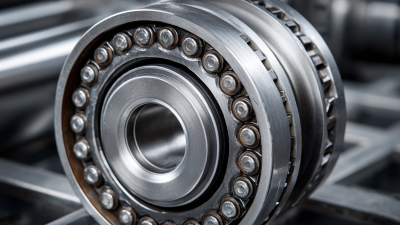
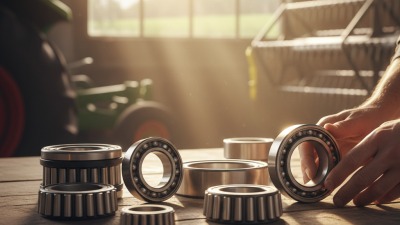
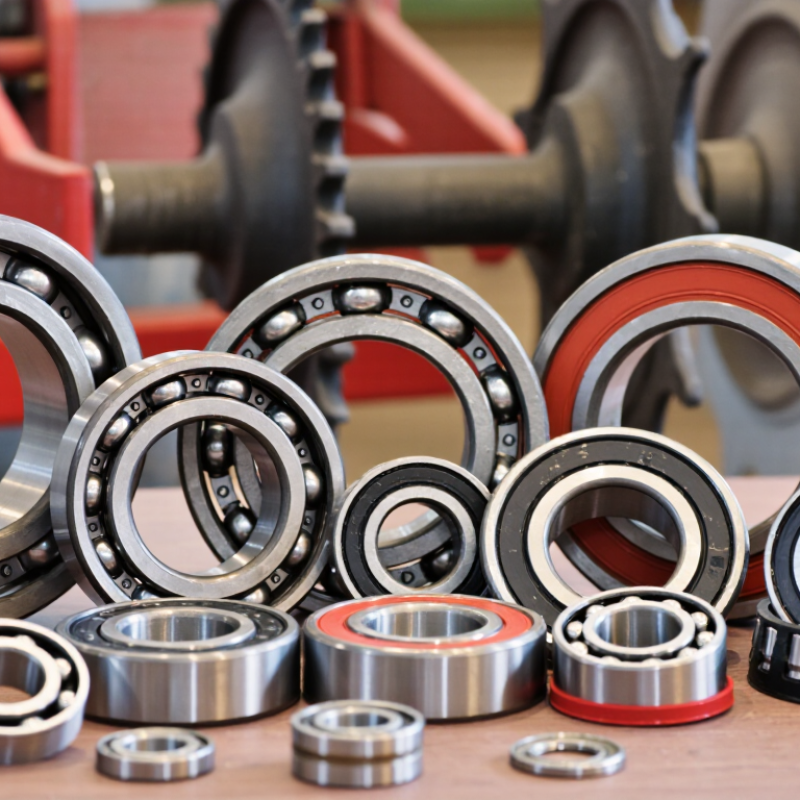
China manufactures several agricultural bearing types for tractors, harvesters, seeders, and irrigation equipment. The common choices include deep-groove ball bearings, tapered roller bearings, spherical roller bearings, and insert bearings with housings. Flanged and triple-lip sealed units suit dusty planting systems. Tapered rollers handle combined radial and axial loads near wheel hubs. Spherical rollers tolerate shaft misalignment in conveyors and harvesting mechanisms.
A 2024 report by the China Bearing Industry Association places China’s annual bearing production above 25 billion units, showing considerable manufacturing capacity. The United Nations Comtrade database also records China as a major exporter of bearing components and finished units. Capacity is not the same as quality. Buyers should check steel cleanliness, heat-treatment records, sealing materials, clearance, and grease compatibility. ISO 15243 provides a useful framework for analyzing bearing failure modes, including fatigue, contamination, and lubrication damage.
In field use, a sealed insert bearing can survive moderate misalignment, but it may fail early beside abrasive soil. A heavy-duty tapered roller bearing works better under shock loads, yet installation errors remain costly. Some suppliers provide inspection reports, dimensional testing, and salt-spray results. Others offer impressive samples but limited traceability. That difference matters. My practical view is cautious: compare load ratings with real machine duty cycles, not catalogue claims alone. Even a well-made bearing can disappoint when water enters through a damaged seal.
Key Features of High-Quality Chinese Agricultural Bearings
Agricultural bearings from China can offer strong value when their design matches the machine’s working conditions. High-quality models usually combine hardened steel, accurate machining, and carefully controlled internal clearance. These features help bearings manage heavy loads from tractors, harvesters, seeders, and irrigation equipment.
Sealing is equally important. A reliable seal blocks dust, muddy water, crop fibers, and fertilizer residue from reaching the rolling elements. In field inspections, I pay close attention to seal flexibility and grease retention. Good agricultural bearings often use corrosion-resistant surfaces and factory-filled grease suited to changing temperatures. They should also maintain smooth rotation after long periods of storage.
Consistency separates dependable products from cheap substitutes. Manufacturers with strong technical systems inspect dimensions, vibration, hardness, and noise during production. Clear batch records make quality problems easier to trace. Practical testing matters too. A bearing may perform well in a clean workshop but struggle in a dusty field. No bearing is perfect. Some suppliers still provide limited test data, which makes comparison difficult. Buyers should check load ratings, operating speed, sealing structure, lubrication requirements, and replacement availability before ordering. Installation accuracy remains critical, even with excellent materials.
Materials and Designs Used for Agricultural Machinery Bearings
What Are the Best Agricultural Bearings from China?
Agricultural machinery bearings must withstand dust, vibration, moisture, and sudden loads. Material selection strongly affects service life. Many reliable agricultural bearings use hardened chrome steel for their rings and rolling elements. This material offers good fatigue resistance and stable performance under heavy loads. Stainless steel can resist corrosion better in wet environments. However, it may not match chrome steel in every high-load application.
Seal design is equally important. Double-lip rubber seals help block soil and retain grease around the rolling elements. Contact seals provide stronger protection, but they may create more friction. Non-contact seals reduce friction, yet they can allow fine dust to enter. Deep-groove ball bearings suit many rotating shafts, while tapered roller bearings manage combined radial and axial loads. Spherical designs can tolerate limited shaft misalignment. That detail matters on uneven fields.
Tips:
Match the bearing to the shaft size, load, speed, and operating temperature. Check seal condition during routine maintenance. Use the specified grease, not a random substitute. Ask for dimensional reports, hardness data, and load ratings before purchasing. Factory inspection records can reveal more than a polished product photo. No bearing is perfect. In practice, incorrect installation often causes failure sooner than poor material. A clean mounting surface, proper alignment, and controlled fitting pressure remain essential.
Applications and Maintenance of Agricultural Bearings
What Are the Best Agricultural Bearings from China?
Agricultural bearings from China can perform well when selected for the machine, load, and working environment. The “best” bearing is not universal. A sealed insert bearing suits conveyor shafts and balers exposed to dust. Tapered roller bearings handle heavier radial and axial loads in harvesters. Planters often need compact bearings with reliable sealing and stable rotation.
Maintenance begins with correct installation. Keep the shaft and housing clean. A small grain of sand can damage a polished raceway. Use proper tools, not a hammer applied to the rolling ring. Check alignment before tightening locking collars. Misalignment creates heat, vibration, and uneven wear. It is easy to overlook.
Grease must match the operating temperature and speed. Too much grease can raise running temperature. Too little grease invites rapid wear. Follow the supplier’s lubrication interval, then adjust it after observing field conditions. Inspect seals after muddy work. Replace damaged seals quickly. During service, record noise, play, temperature, and visible rust. These details often reveal problems before failure. No bearing lasts forever. A common mistake is replacing the bearing without correcting a bent shaft or loose housing. The new part may fail just as quickly. Careful quality checks, material records, dimensional testing, and load ratings also help confirm whether a Chinese agricultural bearing is suitable for demanding seasonal work.