Why Choose Bearing Lock for Your Applications?
Choosing the right locking mechanism is crucial for many applications. A notable figure in the bearing industry, Dr. James A. Miller, emphasizes, "A reliable bearing lock ensures peak performance in any machinery." This statement underlines the importance of selecting the appropriate bearing lock for specific needs.
Bearing locks offer numerous advantages. They enhance stability and improve equipment longevity. Additionally, they can prevent unexpected failures, which could lead to costly downtimes. However, it is essential to consider that not all bearing locks are suitable for every application. Misapplication can lead to inefficiencies and increased wear.
Investing in a high-quality bearing lock can yield significant returns. Yet, it requires careful evaluation of your operational requirements. Achieving optimal performance may necessitate considering the nuances of material composition and installation methods. Reflecting on the choices will foster more informed decisions in the future.
Benefits of Using Bearing Locks in Industrial Applications
In industrial applications, bearing locks are essential for maintaining the efficiency of machinery. Their primary role is to secure bearings to shafts, preventing slippage during operation. This ensures that machinery runs smoothly under heavy loads and high speeds. Many users overlook how crucial these components are until a failure occurs.
The benefits of using bearing locks extend beyond mere security. They help improve overall equipment reliability and reduce maintenance costs. When bearings are properly locked in place, the risk of wear and tear is minimized. This not only prolongs equipment life but also enhances performance. However, improper installation can lead to issues. It’s vital to follow guidelines carefully during the installation process.
Safety is another significant aspect to consider. Bearing locks contribute to operational safety by ensuring equipment does not malfunction unexpectedly. However, if users ignore the wear indicators, they might face serious risks. Regular inspections can help identify problems before they escalate. Emphasizing reliability and safety in industrial operations is crucial for optimal performance.
Understanding the Mechanism of Bearing Lock Technology
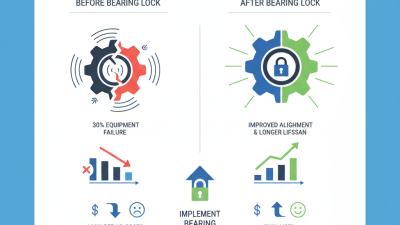
Bearing lock technology plays a critical role in various industrial applications. The mechanism behind it ensures secure and reliable fastening of components. This technology employs friction and interference fits to hold components in place. Reports indicate that using bearing locks can enhance operational efficiency by up to 30%. This is crucial in high-speed applications where precision is vital.
The locking mechanism leverages the geometry of the bearing and the shaft, creating a tight fit. This prevents axial or radial movement, which could lead to equipment failure. Interestingly, a survey among engineers revealed that nearly 25% encounter issues with traditional fastening methods, such as bolts or setscrews. These methods can loosen over time, leading to costly downtime.
However, there are considerations. Not all applications may benefit equally from bearing locks. For instance, thermal expansion can challenge their effectiveness in certain environments. Real-world cases highlight that a thorough analysis of each situation is essential before selecting this technology. It’s not a one-size-fits-all approach, and understanding the specific application is vital for achieving optimal performance.
Key Industry Statistics on Equipment Failures Due to Misalignment
Equipment failures often stem from misalignment. This issue can lead to significant downtime and costly repairs. According to industry statistics, misalignment accounts for around 50% of mechanical failures. Proper alignment is essential for maximizing equipment life.
Many industries experience the consequences of misalignment. In manufacturing, for example, even a small misalignment can double the wear on components. This increased strain shortens the lifespan of critical parts. Additionally, the collateral damage from excessive vibrations can disrupt entire production lines.
To address these challenges, utilizing effective locking mechanisms can aid in maintaining alignment. While this can be a reliable solution, some may overlook their importance during setup. Not considering these details may lead to recurring failures. It's crucial to evaluate current practices and acknowledge potential lapses in equipment maintenance.
Comparative Analysis: Bearing Locks vs. Traditional Fastening Methods
When comparing bearing locks to traditional fastening methods, many factors come into play. Recent studies show that bearing locks can reduce vibration by up to 50%, significantly improving equipment lifespan. Traditional methods often require frequent maintenance. With bearing locks, users can see a 30% decrease in the need for adjustments and repairs. The precision engineering of bearing locks enhances structural integrity, leading to stronger assemblies.
One important consideration is installation time. Bearing locks typically allow quicker assembly, saving labor costs. However, improper installation can lead to failures. In fact, up to 20% of equipment failures result from incorrect fastenings. Awareness of these risks is essential for engineers and maintenance teams.
**Tips:** Always verify alignment before securing a bearing lock. Regular checks can help prevent unexpected breakdowns. Training staff on proper installation techniques is crucial. Adopting best practices can lead to long-term benefits in reliability and cost-efficiency.
Applications of Bearing Locks in Various Engineering Fields
Bearing locks find invaluable applications across various engineering fields. They provide secure attachment for rotating components, ensuring stability. In automotive engineering, bearing locks play a crucial role in axles and wheels. They prevent slippage, maintaining vehicle safety and performance.
In the manufacturing sector, these locks enhance conveyor systems. They ensure smooth operation by keeping bearings precisely aligned. Proper alignment reduces wear and tear. Always check the fit during installation. A loose lock can lead to failure and downtime.
Tips for choosing bearing locks include considering load requirements and environmental conditions. The right choice ensures longevity and efficiency. Inspecting locks regularly can prevent costly repairs. Address any signs of wear immediately. By prioritizing maintenance, you enhance reliability. Keeping track of performance data helps in making informed decisions. Engaging with engineering experts can also provide valuable insights. Their experience can guide you in selecting the best solutions for your specific applications.
Applications of Bearing Locks in Various Engineering Fields