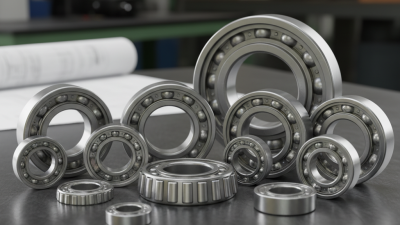
Why Choose Steel Bearings for Your Manufacturing Needs?
In today's manufacturing landscape, the choice of components significantly impacts efficiency and durability. Steel bearings stand out as a superior option due to their unmatched strength and reliability. John Smith, a renowned expert in the bearings industry, emphasizes, "Steel bearings provide the backbone for precision engineering." This statement highlights the importance of choosing high-quality materials for industrial applications.
Steel bearings offer several advantages over alternatives. Their resilience under pressure and ability to withstand harsh conditions make them ideal for various machinery. For instance, in automotive production, steel bearings ensure smooth operation and long-lasting performance. However, not all steel bearings are created equal. It's crucial to assess factors like quality and design. Ignoring these aspects can lead to unexpected failures.
Selecting the right steel bearings is a decision that requires careful consideration. While they are superior, failing to choose trustworthy suppliers can lead to problems. Every manufacturer must reflect on their specific needs and the quality of products they invest in. Evaluating these factors can lead to improved productivity and reduced maintenance costs in the long run.
Benefits of Steel Bearings in Industrial Applications
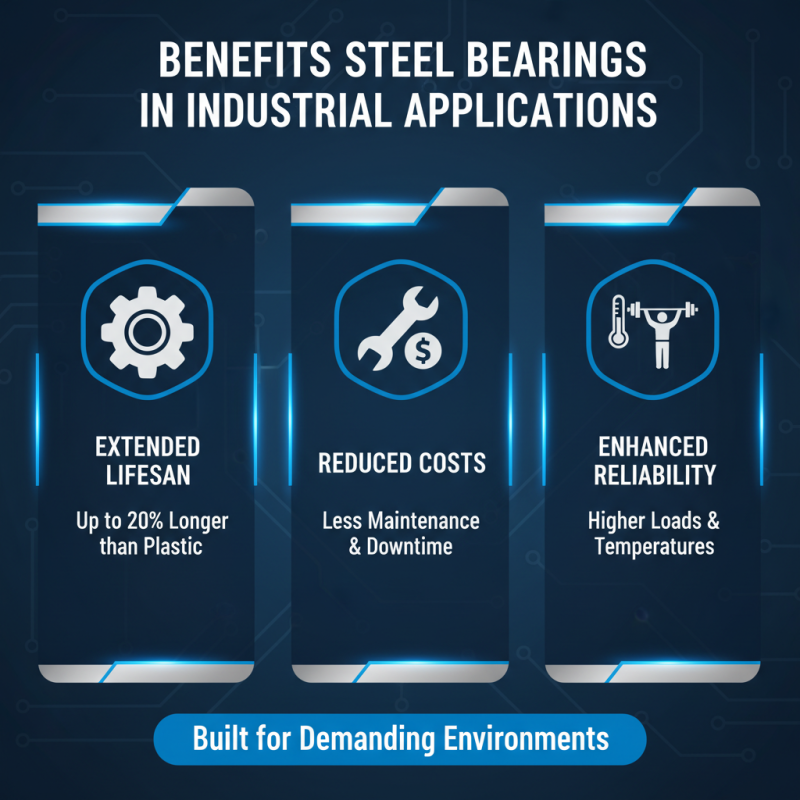
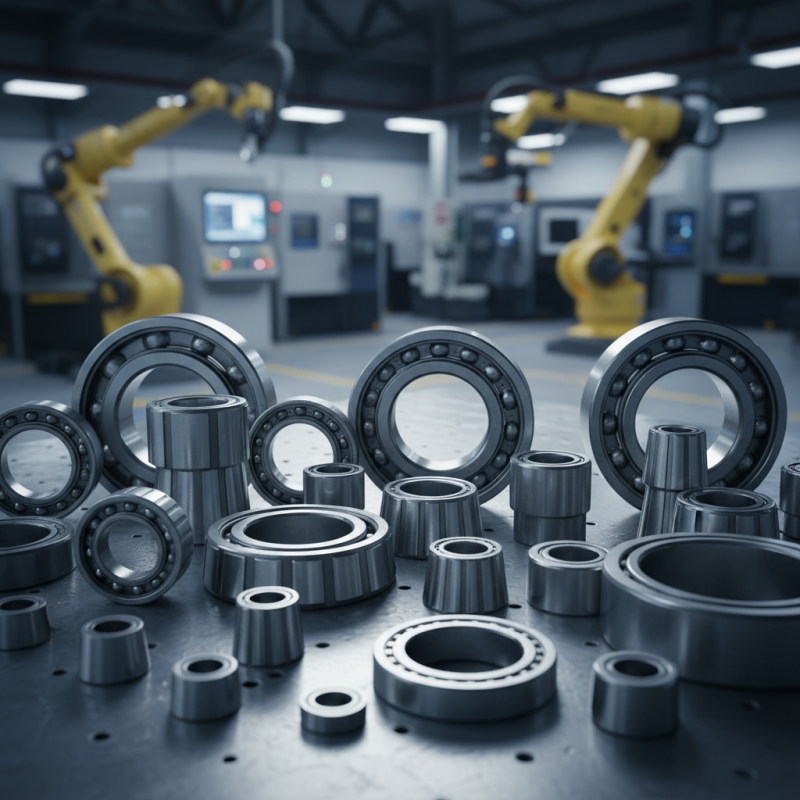
Steel bearings are increasingly favored in industrial applications due to their durability and performance. Reports indicate that steel bearings can last up to 20% longer than plastic alternatives. This longevity translates to reduced maintenance and operational costs for manufacturers. Moreover, steel bearings can withstand higher loads and temperatures, ensuring reliability in demanding environments.
The manufacturing sector benefits significantly from using steel bearings. A study by the American Society of Mechanical Engineers noted that steel bearings could improve efficiency by approximately 15%. Their resistance to wear and tear also enhances overall productivity. However, achieving optimal performance requires proper installation and lubrication. Improper maintenance can, at times, lead to premature failure.
While steel bearings offer numerous advantages, some challenges persist. Cost considerations can be a limitation for smaller operations. The initial investment in high-quality steel bearings might deter some businesses. Nonetheless, the long-term savings can outweigh these upfront costs. Balancing these factors is crucial for making informed decisions in manufacturing processes.
Comparative Analysis: Steel Bearings vs. Alternative Materials
When considering bearings for manufacturing, steel is often favored over alternative materials. Steel bearings boast superior strength and durability, making them ideal for high-stress environments. They can withstand heavy loads and resist wear, crucial for machinery operating at high speeds. In contrast, materials like plastic or ceramic may offer lightweight solutions but often compromise on strength.
On the downside, steel bearings can be prone to corrosion if not properly maintained. Alternative materials might provide a resistance to moisture or chemicals. However, their performance can diminish under extreme conditions, leading to potential failures. The choice of bearing material becomes crucial based on specific application needs. Factors such as load capacity, environmental conditions, and budget should guide this decision.
In manufacturing, the reliability of steel bearings is a significant advantage. They have a proven track record in various industries. Yet, it's important to assess their limitations too. For some applications, a combination of materials could better meet operational demands. Understanding the nuances of each option allows for more informed decision-making in the long run.
Why Choose Steel Bearings for Your Manufacturing Needs? - Comparative Analysis: Steel Bearings vs. Alternative Materials
| Property |
Steel Bearings |
Plastic Bearings |
Ceramic Bearings |
Composite Bearings |
| Durability |
High |
Medium |
Very High |
High |
| Load Capacity |
Excellent |
Good |
Excellent |
Good |
| Weight |
Heavy |
Light |
Light |
Medium |
| Temperature Resistance |
-40°C to 120°C |
-20°C to 80°C |
-100°C to 300°C |
-50°C to 120°C |
| Cost |
Moderate |
Low |
High |
Medium |
Performance Metrics: Longevity and Load Capacity of Steel Bearings
When selecting bearings for manufacturing, steel bearings stand out for their longevity and load capacity. These bearings can endure extreme pressure, making them ideal for high-demand applications. Steel's inherent strength allows it to maintain structural integrity, even under challenging conditions. For example, in heavy machinery, steel bearings can operate for years without significant wear.
Manufacturers often face challenges in choosing the right materials. While steel bearings may require a higher initial investment, their durability can lead to lower maintenance costs over time. This cost-effectiveness can be a pivotal factor in long-term projects. However, it is crucial to consider the specific environmental factors that may affect performance. Corrosion, temperature fluctuations, and lubrication play significant roles in the longevity of steel bearings.
Ultimately, understanding the load capacity of these bearings is essential. Steel bearings are rated to handle specific loads, but exceeding these limits can lead to premature failure. Regular inspections and adherence to recommended operating conditions are vital for optimal performance. Balancing the benefits of steel bearings against these considerations can lead to better operational efficiency and reduced downtime in manufacturing settings.
Performance Metrics of Steel Bearings
Cost-Effectiveness of Steel Bearings in Manufacturing Processes
In manufacturing, steel bearings are gaining traction for their cost-effectiveness.
A recent industry report indicates that using steel bearings can reduce overall equipment costs by nearly 30%.
This is significant when considering the tight margins many manufacturers face. Investing in steel bearings can lead to notable savings in maintenance and labor costs.
Steel bearings are durable and have a long lifespan. According to a study by the
International Journal of Engineering Research,
steel bearings can withstand heavy loads and high speeds, which reduces the frequency of replacements.
Companies benefit from less downtime, allowing for more efficient production cycles.
However, some users might find that not all steel bearings are of equal quality, underscoring the importance of careful selection.
While steel bearings are a practical choice, not every application requires them. There are scenarios where
cheaper materials might suffice.
Manufacturers must weigh the benefits against the specific demands of their operations.
A thoughtful approach ensures that choices align with both performance needs
and budget constraints.
Industry Statistics: Steel Bearings Market Growth and Trends
The steel bearings market has shown impressive growth in recent years. Industry statistics reveal a robust demand for steel bearings, driven by advancements in manufacturing technology. The global market is projected to expand steadily over the next five years. This growth is partly fueled by the automotive and aerospace sectors, which prioritize durability and performance.
Recent trends highlight a shift towards high-efficiency steel bearings. Manufacturers are seeking materials with better resistance to wear and corrosion. Data suggests a rising focus on sustainability practices, making steel bearings a favorable choice. They often offer a longer lifespan compared to alternatives. However, it's essential to analyze the environmental impact of steel production.
While the market appears promising, challenges exist. Supply chain disruptions can affect availability and costs. Many companies are exploring innovations to address these issues. Developing smarter, more efficient steel bearings requires collaboration within the sector. These dynamics reflect a complex landscape that demands careful consideration from manufacturers.