2026 Best Angular Bearing Guide for Global Buyers?
In the world of mechanical components, Angular Bearing stands out for its unique capabilities. These bearings are engineered to support both radial and axial loads. With their design, they ensure stability and enhance performance in various applications. Global buyers must understand their specifications and benefits for optimal use.
Selecting the right Angular Bearing can be overwhelming. Numerous options exist, each with distinct features. Factors like material and size play a critical role. Without adequate knowledge, buyers may struggle to make informed decisions. It is crucial to identify your specific requirements before choosing.
The expertise of manufacturers is vital for quality assurance. Reliable suppliers provide detailed information about their products. Researching reviews and case studies can also provide insights into performance. Ultimately, understanding the nuances of Angular Bearings can lead to better purchasing decisions and improved outcomes.
Understanding Angular Bearings: Definition and Importance
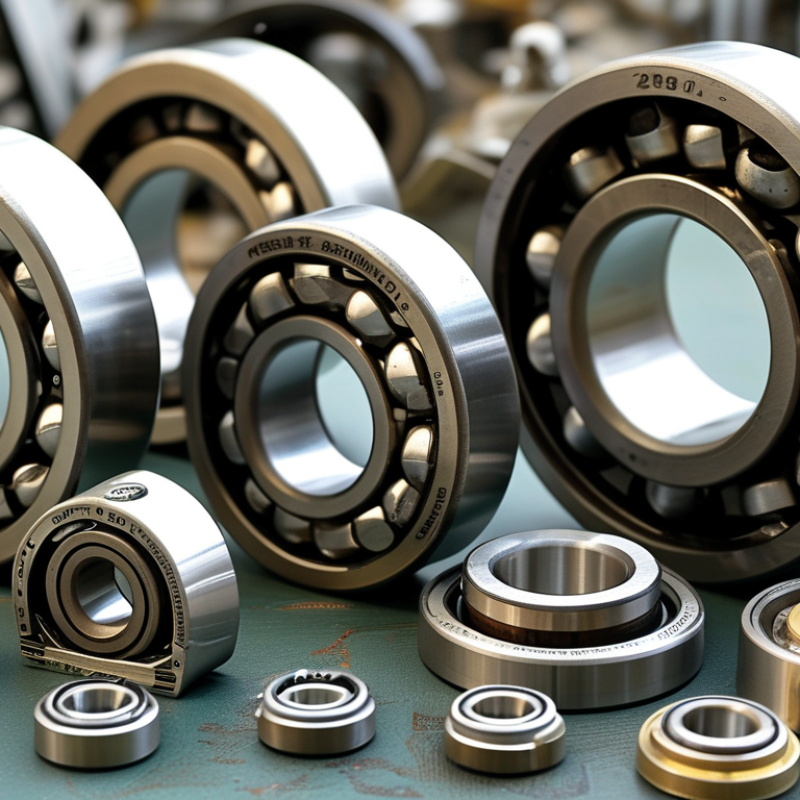
Angular bearings are essential components used in various machinery. They support both radial and axial loads, providing stability during operation. This unique design enables angular bearings to handle higher loads compared to traditional bearings. They play a crucial role in applications like automotive and aerospace industries.
When selecting angular bearings, consider the type of load they will bear, as this impacts their performance. Different designs are available to meet unique requirements. Understanding the operating environment is also key; factors such as temperature and humidity can affect their longevity.
**Tips:** Always check the compatibility of the bearing with your equipment. Use proper lubrication to extend the lifespan of the bearings. Inspect regularly to detect wear and avoid unexpected failures.
Choosing the right angular bearing is not always straightforward. Misunderstanding specifications can lead to poor performance. It's vital to consult industry experts for recommendations tailored to your specific needs.
Types of Angular Bearings: Key Variants for Different Applications
When it comes to angular bearings, understanding the various types is essential for optimizing performance in different applications. Angular bearings are primarily used for high-speed operations and handle axial loads. They come in several variants, each designed for specific requirements. A single-row angular contact bearing is one of the most common types. It excels in dynamics and is suitable for light loads. Its design allows for effective radial and axial load handling.
Another key variant is the double-row angular contact bearing. This type is engineered for heavier loads and provides increased rigidity. It is ideal for machine tools and electric motors. Additionally, there are options like four-point contact bearings, which are great for applications requiring low friction. These bearings are often used in spherical applications, fitting well in places requiring flexibility.
However, choosing the right angular bearing is not as straightforward as it seems. Many buyers overlook factors like load direction and mounting precision, leading to inefficiencies. It’s crucial to assess each application's unique needs. Slight miscalculations in selecting the bearing type can lead to premature failures or increased maintenance costs. Therefore, thorough research and expert guidance are vital in making the best choice for your specific needs.
How to Choose the Right Angular Bearing: A Comprehensive Guide
Choosing the right angular bearing is crucial for your machinery.
The correct choice enhances performance and longevity. Consider the load capacity first.
Ensure it aligns with your application's requirements.
Each bearing type has unique load ratings. A mismatch can lead to premature failure.
Next, think about the environment. Angular bearings may face dust, water, or extreme temperatures.
Sealed or shielded bearings are often better suited for harsh conditions.
Assessing lubrication options is also essential.
Proper lubrication reduces friction and increases lifespan. Explore both grease and oil types.
Don't overlook the installation process. Improper installation can compromise performance.
It is vital to follow manufacturer guidelines closely.
Take your time during the setup. If unsure, consult with an expert.
Even minor mistakes can lead to significant issues later. Achieving the right balance between quality and cost is challenging but necessary.
Make informed decisions and prioritize reliability over short-term savings.
Factors Influencing Angular Bearing Performance and Longevity
When evaluating angular bearings, several key factors greatly influence their performance and longevity. Bearing material selection plays a crucial role. High-quality steel or ceramic can resist wear and extend lifespan. Corrosion resistance is also vital, especially in harsh environments. Choosing suitable seals or shields can prevent contamination and protect the internal components.
Lubrication significantly impacts the efficiency of angular bearings. Proper lubrication reduces friction and heat generation during operation. However, over-lubricating can lead to damage. Regular maintenance and inspection help identify early signs of wear and tear. This can include monitoring noise and vibration levels. An unexpected change often requires immediate attention.
Operating conditions are another aspect to consider. Temperature fluctuations can alter material properties. Very high speeds can increase the risk of fatigue. These variables require careful planning. Ensuring that angular bearings are suited for their intended applications ensures optimal performance. Buyers must reflect on these elements to avoid costly failures.
2026 Angular Bearing Performance Comparison
This chart compares key performance factors of angular bearings that influence their overall longevity and effectiveness. The ratings reflect common assessments of each performance characteristic.
Global Suppliers of Angular Bearings: A Market Overview
The global market for angular bearings is set for significant changes. According to a recent industry report, the projected growth rate of the angular bearing segment is expected to reach 5.2% by 2026. This reflects increasing demand across various sectors, including automotive, aerospace, and machinery manufacturing.
Key suppliers are emerging in various regions. North America and Europe currently lead in production capacity. However, Asia Pacific is rapidly gaining ground. Experts indicate that countries like China and India are enhancing their manufacturing capabilities. This shift is driven by lower labor costs and investments in technology.
Despite these advancements, some challenges persist. Quality control remains a critical issue in emerging markets. Suppliers must adopt stricter quality measures to meet global standards. Inconsistent product quality can affect long-term relationships with international buyers. The need for transparency in the supply chain is also vital. Global buyers are looking for reliable partners. As such, the market landscape is evolving. Successful suppliers will adapt quickly. They will need to address these complexities to thrive in the competitive angular bearing market.