Why Choose Steel Bearings for Your Industry Needs?
The choice of steel bearings is critical in many industries today. According to Dr. John Harold, a respected expert in bearing technology, “Steel bearings provide reliability and performance that surpass other materials.” This statement highlights the significance of steel bearings in enhancing operational efficiency.
Steel bearings excel in various applications, from automotive to aerospace. Their strength and durability make them ideal for high-load environments. Industries need to consider maintenance costs and longevity when selecting bearings. Although steel bearings can be heavier than alternatives, their performance often outweighs this disadvantage.
However, it's crucial to evaluate the specific needs of your industry. Not all steel bearings are created equal. Performance can vary based on design and manufacturing processes. The right choice could lead to significant savings and increased productivity. Thus, understanding these nuances is essential for making informed decisions.
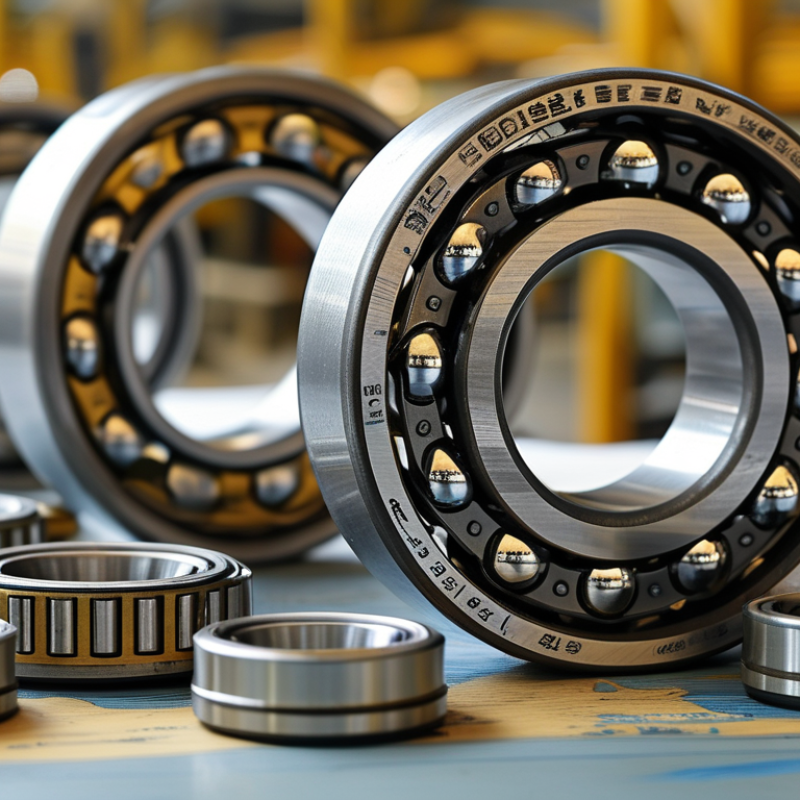
Benefits of Steel Bearings in Industrial Applications
Steel bearings have become essential in industrial applications due to their durability and reliability. According to recent market research, the global steel bearing market was valued at approximately $30 billion in 2022, with a projected annual growth rate of 5.5% through 2030. This growth is primarily attributed to the increasing demand for industrial machinery and automotive components.
In an industrial setting, steel bearings provide superior load-carrying capacity. Their ability to withstand high temperatures and heavy loads makes them ideal for use in harsh environments. For instance, in the automotive sector, steel bearings support engines and transmissions, where precision and strength are crucial. They also have a low friction coefficient, which enhances overall efficiency. According to a report by the Bearing Specialists Association, using steel bearings can reduce energy consumption by up to 15%.
However, challenges remain. Corrosion can be a concern in certain applications. Protective coatings and regular maintenance are often required to extend their lifespan. Additionally, while steel bearings outperform many alternatives, they may not be suitable for every scenario. Engineers must weigh factors like cost and specific use cases before deciding on the type of bearing to use. The complexity of these decisions highlights the need for expertise in selecting the right materials for industrial applications.
Comparison of Steel Bearings with Alternative Materials
When considering bearing materials, steel emerges as a strong candidate. It offers significant advantages compared to alternatives like plastic or ceramic. According to industry reports, steel bearings typically have a load capacity that is 20-30% higher than their plastic counterparts. This enhanced strength allows steel bearings to withstand higher temperatures and loads.
In contrast, while ceramic bearings boast excellent wear resistance, they may crack under extreme stress. A study by the Institute of Mechanical Engineers indicates that 40% of ceramic bearings fail within the first year of high-load applications. Steel bearings, with their durability, present a reliable choice for heavy machinery, particularly in industries like automotive and aerospace.
Longevity is another critical factor. Steel bearings can last up to five times longer than many plastic bearings. Yet, they require proper lubrication and maintenance to realize this lifespan. Industry data suggests that inadequate maintenance results in up to 30% decrease in performance over time. This underscores the need for a thoughtful approach when selecting materials for bearings.
Durability and Longevity of Steel Bearings in Harsh Environments
Steel bearings are increasingly preferred in various industries due to their exceptional durability and longevity. In harsh environments, these bearings outperform alternatives such as plastic or ceramic. According to a report by the National Center for Advanced Manufacturing, steel bearings last up to 60% longer in high-stress applications. These applications include mining, construction, and oil extraction, where equipment often faces extreme conditions.
Factors like temperature fluctuations and corrosive materials challenge the integrity of bearings. Steel bearings can withstand these harsh conditions better than others. Their ability to maintain structural integrity under high loads is vital. A study published in the Tribology International journal highlighted that steel bearings exhibit lower wear rates compared to their counterparts, enhancing operational efficiency.
The manufacturing process of steel bearings also contributes to their strength. Heat treatment techniques enhance hardness and resistance to fatigue. However, not all steel bearings are the same. Variations in quality can lead to inconsistent performance. Industries must carefully evaluate specifications to ensure reliability. Ultimately, while steel bearings offer advantages, ongoing assessment of bearing performance in the field remains essential for achieving optimal results.
Why Choose Steel Bearings for Your Industry Needs?
Steel bearings are known for their durability and longevity, especially in harsh environments. The following chart compares the performance of steel bearings against other common materials, highlighting their advantages in terms of load capacity, wear resistance, and temperature tolerance.
Cost-Effectiveness of Steel Bearings for Different Industries
When considering cost-effectiveness in various industries, steel bearings emerge as a strong contender. These bearings boast durability and strength, making them suitable for high-load applications. They can withstand harsh conditions, reducing the need for frequent replacements. This longevity translates to savings on maintenance and downtime.
In manufacturing, steel bearings show their value. They ensure smooth operation in machinery, leading to a boost in productivity. While the initial investment may be higher than alternatives, the return on investment can be significant. Businesses often find that steel bearings pay for themselves over time through improved efficiency.
However, it's essential to weigh the benefits against the specific needs of your industry. Not every application requires the added strength of steel. In some cases, the potential for rust or corrosion could be a concern. Evaluating these factors is crucial for making informed decisions.
Applications of Steel Bearings Across Various Sectors
Steel bearings play a pivotal role in numerous industries. Their durability, resistance to wear, and ability to handle heavy loads make them a preferred choice. In manufacturing, steel bearings are integral in machinery, ensuring smooth operation and reduced downtime. They withstand high pressures and continue to function effectively, which minimizes production interruptions.
In the automotive sector, steel bearings are crucial. They improve vehicle performance and longevity. These components help reduce friction in engines, leading to better fuel efficiency. While steel bearings excel under many conditions, they are not infallible. They can corrode in harsh environments, so surface protection is vital.
Tip: Regular maintenance can extend bearing life significantly. Inspect bearings frequently for signs of wear or corrosion.
In the aerospace industry, the reliability of steel bearings is critical. Aircraft rely on them for their safety and efficiency. The harsh conditions of flight require top-quality materials and precision engineering. However, the weight of steel can be a concern for aerospace applications. Engineers often look for innovative solutions to balance weight and performance.
Tip: Always consider the specific operational conditions when selecting bearings. Not all steel bearings are suitable for every application.