How to Choose the Best Bearing Lock for Your Needs?
When selecting a bearing lock, it's essential to understand the specifics of each product. John Smith, an industry expert with over 15 years of experience in security solutions, once stated, "The right bearing lock can save you time, money, and frustration." This highlights the importance of making an informed decision.
The world of bearing locks can be overwhelming due to various options. Factors such as size, material, and locking mechanisms significantly affect their performance. Identifying your unique needs is crucial. An inadequate choice may lead to operational failures or security breaches.
Moreover, it’s vital to consider the environment in which the bearing lock will be used. Different settings may require distinct features. Consulting with professionals can help navigate these complexities. Remember, a well-chosen bearing lock is an investment in efficiency and safety, while a poor selection may lead to regret.
Understanding the Basics of Bearing Locks: Types and Functions
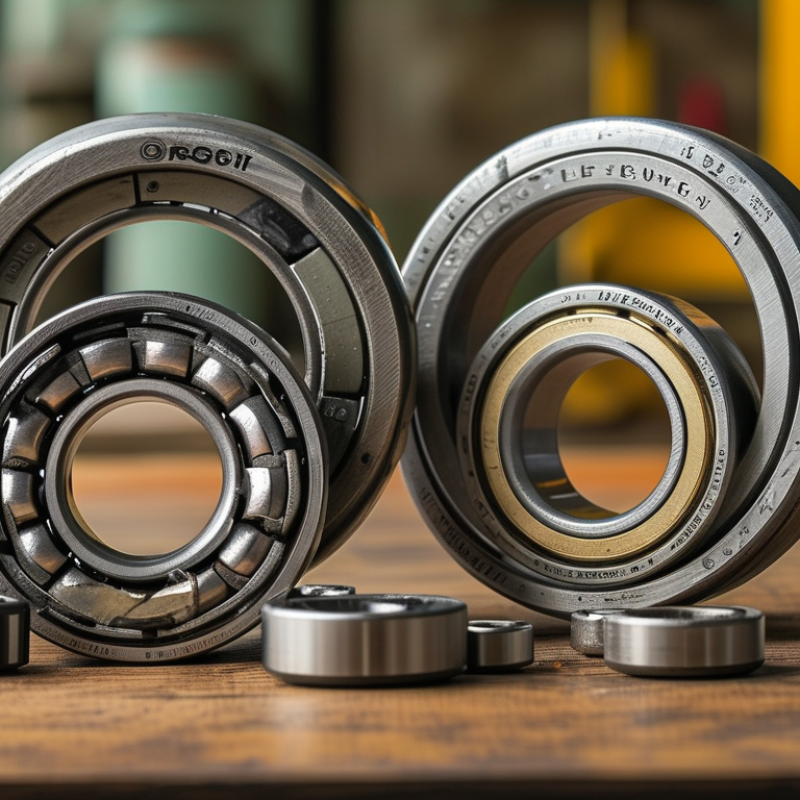
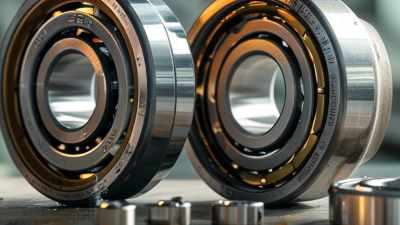
Bearing locks serve a vital role in machinery and equipment. Understanding their types and functions is crucial for effective selection. There are several types of bearing locks, including adapter sleeves, withdrawal sleeves, and lock nuts. Each offers distinct advantages based on application. Adapter sleeves are easy to install and remove, making them popular for frequent maintenance. Withdrawal sleeves provide a secure lock but require more effort when disassembling.
The functions of bearing locks also vary. They prevent components from moving out of alignment, which can lead to equipment failure. Proper installation of a bearing lock can extend the life of bearings significantly. However, improper installation can lead to vibrations and excessive wear. This underscores the need for attention to detail during the installation process. Users should always review locking mechanisms after installation, ensuring everything is secure and aligned.
When considering a bearing lock, look beyond basic features. Assess the specific application and environmental factors. Temperature, load capacity, and potential contamination sources play significant roles in performance. Reflecting on these aspects will help you choose the most suitable lock. Engage with professionals who can provide insights based on practical experience. Their expertise can guide you toward the right choices.
Factors to Consider When Selecting a Bearing Lock
When selecting a bearing lock, several factors should guide your decision. First, consider the size and type of the bearing you are securing. Standard bearing sizes are often listed in industry reports, indicating that a proper fit is crucial. A lock that doesn’t fit can lead to equipment failure and costly repairs.
Material durability is another critical factor. Many industry studies reveal that locks made from high-quality steel or hardened materials resist wear better. In fact, a 2023 report showed that robust locks have a 30% longer lifespan than their cheaper counterparts. Additionally, think about environmental factors like moisture and dust. Locks that withstand these elements perform better over time.
Finally, ease of use affects your daily operations. A complex locking mechanism can annoy users. Often, people prefer locks that are simple to install and operate. A recent survey indicated that 65% of users prioritize straightforward functionality over complex designs. Balancing security strength with usability is vital for making the right choice.
Evaluating Material and Durability for Bearing Locks
When choosing a bearing lock, evaluating material and durability is crucial. The strength of the materials directly impacts the lock’s performance. Common materials include steel, alloy, and plastics. Steel is often preferred for its robustness, while alloy may provide a balance between weight and strength. Plastics, though lighter, might not handle harsh conditions well.
Durability goes beyond material. Some locks possess weather-resistant coatings, enhancing their longevity. If your environment is prone to moisture or extreme temperatures, consider this factor. Additionally, look for locks with good resistance against wear and tear. They might perform well initially, but can deteriorate quickly if not designed for tough conditions.
While research is essential, personal experience matters too. Sometimes, locks that seem durable break under pressure. Anecdotes about durability can offer valuable insights. Engaging with users or forums can reveal real-world performance. Ultimately, ensuring the lock suits your specific application is key. A lock’s design and purpose should align with your expectations.
Material Durability Comparison of Bearing Locks
Comparing Security Features of Different Bearing Locks
When selecting a bearing lock, it's crucial to compare security features. Many locks come with various mechanisms that offer different levels of protection. Some might have a standard pin tumbler setup, while others use a more advanced disc detainer system. Understanding how these systems work can make a significant difference in your choice.
One important factor is the material used in the lock. High-grade steel is often more secure than softer metals. A lock made of robust material can resist physical attacks better. However, even the best locks are not infallible. Regular maintenance and checks can prolong their lifespan and reliability, highlighting the importance of ongoing use and care.
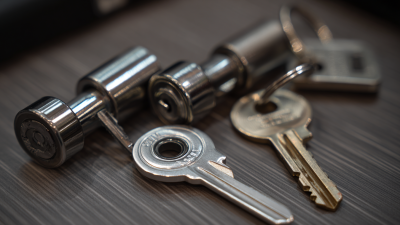
Another consideration is the key type. Some locking systems utilize unique key designs that cannot be duplicated easily. This adds another layer to security, yet even high-security keys can be lost or compromised. It's essential to evaluate whether the key control measures in place are adequate for your needs. Simplifying access can sometimes lead to vulnerabilities, so think twice about convenience versus security.
Installation and Maintenance Tips for Optimal Performance
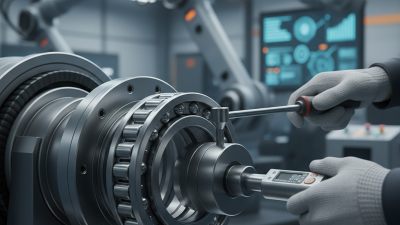
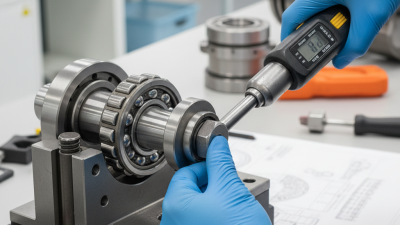
When selecting a bearing lock, installation is crucial for optimal performance. Begin by ensuring that the surfaces are clean. Debris can hinder proper alignment. A level surface is essential, as uneven mounting may lead to premature wear. Take extra care with the tightening process. Over-torquing can damage components. Using a calibrated torque wrench helps achieve consistency.
Maintenance plays a vital role in prolonging the life of your bearing lock. Regularly inspect for rust or corrosion, which can indicate moisture intrusion. Lubrication is essential; however, avoid over-lubrication. It can attract dirt, leading to blockages. Consider a routine check every few months, particularly if the environment is challenging. Bearing locks in machinery often fail unexpectedly. Keeping a maintenance log helps track wear patterns. This practice fosters awareness of potential issues.
Remember to reflect on your installation and maintenance practices. It’s easy to overlook minor details. Adjustments might be necessary based on usage patterns. Continuous learning and adapting to different circumstances can dramatically enhance performance. Strive for perfection, yet embrace the learning curve. This approach secures reliability in your operations.