Top 10 Angular Bearings for Global Buyers to Consider?
Angular bearings play a crucial role in various industries, enabling precise rotational movement. According to a recent report by Market Research Future, the global angular bearing market is projected to grow at a compound annual growth rate of 6.5% over the next five years. As the demand for high-performance machinery increases, choosing the right type of angular bearing is essential for operational efficiency.
Dr. Emily Chen, a leading expert in bearing technology, states, "The selection of an angular bearing can significantly impact machinery lifespan and performance." Her insights highlight the importance of informed choices. Buyers must consider factors like the load capacity, materials, and lubrication methods when selecting the ideal bearing.
With various brands and specifications available, global buyers often face challenges. Understanding the nuances of each product is vital. Not every angular bearing meets the same standards; some may require more maintenance than others. To navigate this complex landscape, we compiled a list of the top 10 angular bearings to help buyers make informed decisions.
Top 10 Angular Bearings: A Comprehensive Overview
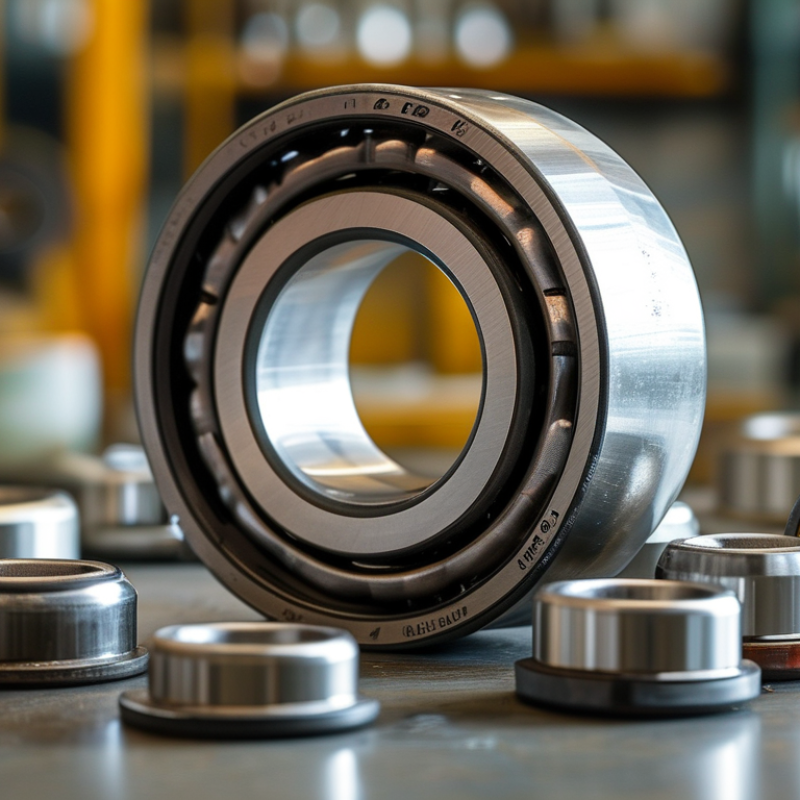
When exploring angular bearings, it's essential to understand their characteristics and applications. Angular bearings provide support for rotating shafts. Their design allows for both axial and radial load support. Buyers should assess their specific requirements to find the best option.
Tips: When selecting angular bearings, consider the load capacity. Look into the material used in the bearing. Different materials will affect performance and durability. Also, review the manufacturer's specifications for your intended application.
Angular bearings come in various sizes and configurations. Understanding your needs can help avoid common mistakes. Some buyers focus solely on cost, ignoring quality. This can lead to poor performance and increased maintenance costs. Choosing a bearing that fits your machinery is crucial for optimal function.
Tips: Regular maintenance is vital for prolonging bearing life. Ensure proper lubrication to reduce friction. Conduct periodic inspections for wear and tear. By prioritizing these factors, buyers can enhance the longevity of their bearings and improve overall system performance.
Key Factors to Consider When Selecting Angular Bearings
When selecting angular bearings, several key factors come into play. Understanding load capacity is crucial. This determines how much weight the bearing can support. It heavily influences performance and durability. For heavy machinery, robust bearings with higher load ratings are essential. However, overestimating needs can lead to unnecessary expenses.
Another important aspect is the bearing's material composition. Common options include steel and ceramic. Steel is durable and cost-effective, but can corrode. Ceramic materials are resistant to wear but at a higher cost. Finding the right balance is vital. The intended environment also affects this choice. High humidity or extreme temperatures can dictate the material selection.
Finally, consider the precision level required. Some applications need high accuracy, while others may work fine with lesser precision. Each uses different tolerances and finishes, impacting overall effectiveness. It is important to assess what fits best. Iterating through options with real-world tests can reveal insights. Taking the time to evaluate these factors helps ensure the bearing chosen meets your specific needs.
Comparison of Leading Angular Bearing Manufacturers
When considering angular bearings, it's essential to analyze the landscape of manufacturers. Reports indicate a growing demand for high-performance bearings due to advancements in automation and robotics. A recent forecast by industry analysts suggests that the global angular bearing market could reach $8 billion by 2026, with a CAGR of approximately 6% during the forecast period.
Manufacturers vary in technology and innovation. Companies focusing on precision-engineered bearings often invest heavily in research. Data shows that specialized materials, like ceramics and advanced composites, enhance durability and performance. However, some manufacturers still rely on conventional materials, which might not meet the rigorous demands of modern applications. This poses a challenge for buyers who need both performance and reliability.
Additionally, geographical factors play a crucial role in manufacturing capabilities. Regions with robust industrial bases, such as Europe and North America, produce high-quality bearings. Yet, cost-effective options from emerging economies present alternatives. Buyers must balance price against potential longevity and performance concerns. Recognizing these dynamics is vital.
Top 10 Angular Bearings Performance Comparison
This chart illustrates the estimated performance ratings of different types of angular bearings based on key metrics such as load capacity, speed rating, and lifespan.
Applications and Industries Utilizing Angular Bearings
Angular bearings play a crucial role in various industries due to their versatility and efficiency. These bearings are commonly used in manufacturing and robotics. According to a recent report by the International Bearing Association, the global market for bearings is expected to reach $90 billion by 2025, driven largely by increased automation. Angular bearings facilitate high-speed rotation and support axial loads, making them ideal for applications requiring precision.
Another significant use of angular bearings is in automotive systems. They are integral to steering mechanisms and gearbox assemblies. A detailed analysis by the Automotive Bearing Research Group indicated that nearly 60% of performance issues in vehicles can be traced back to improper bearing support. This emphasizes the importance of selecting the right type of bearing for these applications.
In construction, angular bearings support heavy machinery, like cranes and excavators. Data from the Construction Materials Report shows that improper bearing maintenance can lead to significant downtime—up to 30%. This highlights the need for regular inspections and replacements. Without proper monitoring, costs can escalate quickly. The diverse applications of angular bearings showcase their critical role across industries, highlighting the need for informed choices.
Maintenance Tips for Prolonging Angular Bearings’ Lifespan
Angular bearings play a critical role in various industrial applications. Proper maintenance is essential to ensure their longevity and optimal performance. Industry reports indicate that about 30% of bearing failures result from inadequate lubrication. Regularly checking and replenishing lubricant can significantly reduce wear and tear on bearings.
Cleaning the bearing surfaces is equally important. Dust, dirt, and contaminants can compromise functionality. Using a soft cloth to wipe down the surface helps maintain a clean environment. Many experts suggest implementing a routine inspection schedule. This allows early detection of potential issues, preventing unexpected downtime.
Operating conditions also impact bearing lifespan. Excessive heat can lead to premature failure. According to research, temperatures above 180°F can halve the service life of an angular bearing. Adequate cooling and ventilation should not be overlooked. Additionally, ensure the bearings are properly aligned. Misalignment often causes uneven wear, which shortens life expectancy. While these practices seem straightforward, many neglect them, leading to costly errors in operations.